Get your free personalized podcast brief
We scan new podcasts and send you the top 5 insights daily.
In a practical cautionary tale, the Netscape team had to print out their entire codebase to manually censor it with highlighters before open-sourcing. A simple search couldn't catch creative profanities like a variable named 'gnetlib breeding like bunnies,' revealing a hidden challenge of releasing internal code.

Related Insights
Massively out-resourced by Microsoft, Netscape couldn't win a traditional corporate battle. They changed the game by open-sourcing their browser, creating Mozilla. This was a strategic move to enlist thousands of developers worldwide to help them compete, transforming a corporate fight into a community mission.
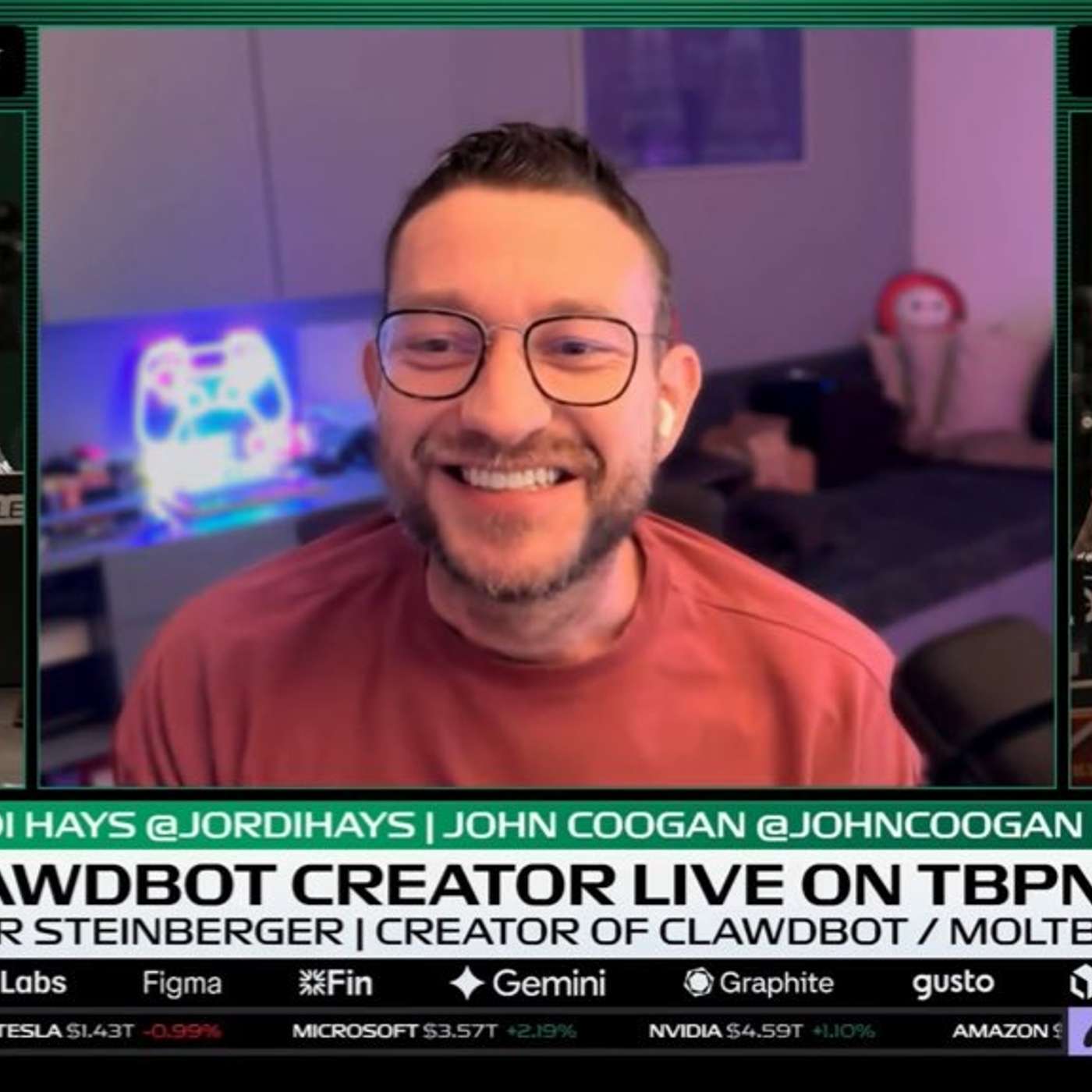
A personal project built for trusted environments can become a major security liability when it goes viral. Moltbot's creator now faces a barrage of security reports for unintended uses, like public-facing web apps. This highlights a critical, often overlooked challenge for solo open-source maintainers.
The open-source model ecosystem enables a community dedicated to removing safety features. A simple search for 'uncensored' on platforms like Hugging Face reveals thousands of models that have been intentionally fine-tuned to generate harmful content, creating a significant challenge for risk mitigation efforts.

The ease of finding AI "undressing" apps (85 sites found in an hour) reveals a critical vulnerability. Because open-source models can be trained for this purpose, technical filters from major labs like OpenAI are insufficient. The core issue is uncontrolled distribution, making it a societal awareness challenge.
To overcome fears of open-sourcing Google's internal Borg system, the Kubernetes team argued that an open-source alternative was inevitable, partly due to knowledge leaving with ex-employees. The real choice wasn't between proprietary or open, but whether Google would build and influence the dominant open solution or cede that ground to a competitor.
For technical hires, the quality of the codebase is a major selling point. A clean, well-maintained system attracts picky, high-caliber engineers who value craftsmanship, making it a powerful and often overlooked recruiting asset.

The initial motivation for many early Firefox contributors wasn't financial gain but solving a personal pain point. They got involved simply because they wanted to fix their own crashing browser in their college dorm room, which then evolved into a larger mission-driven effort.

For Chinese internet companies, extensive keyword databases used for censorship are not just compliance tools; they are crucial, proprietary assets. A more comprehensive and accurate database provides a significant competitive survival advantage over rivals, making it a core part of their business moat.

The accidental source code leak of Anthropic's Claude Code suggests a provocative strategy: an intentional "leak" could generate far more attention and organic code review from the developer community than a formal open-source release. This unconventional approach leverages virality for crowdsourced quality assurance.

Internet platforms like Weibo don't merely react to government censorship orders. They often act preemptively, scrubbing potentially sensitive content before receiving any official directive. This self-censorship, driven by fear of punishment, creates a more restrictive environment than the state explicitly demands.