Get your free personalized podcast brief
We scan new podcasts and send you the top 5 insights daily.
Craig Newmark stepped away from management and hired a CEO not due to a lack of time, but because of a profound self-awareness of his own shortcomings. He explicitly states he "sucked" as a manager because he had no talent or taste for making the hard calls required for the role.

Related Insights
Founder Alex Marechniak stepped down as CEO not from a lack of skill, but because personal crises and burnout depleted his capacity. He recognized that leadership requires being "fully in the game," and transparently told his board he wasn't, prioritizing the company's health over his ego.
The most common failure mode for a founder-CEO isn't a lack of competence, but a crisis of confidence. This leads to hesitation on critical decisions, especially firing an underperforming executive. The excuses for delaying are merely symptoms of this confidence gap.

A critical positive signal for investors is a founder who can honestly self-assess their skill gaps. This humility and willingness to hire people who are better than them in specific areas, even with differing personalities, demonstrates the maturity needed to scale a business.

Craig Newmark reframes his "subtractive" career moves—like stepping down as CEO—as a strategy for effectiveness. By acknowledging his limitations and sharing power and money, he builds "networks of networks" that accomplish far more than he could alone.

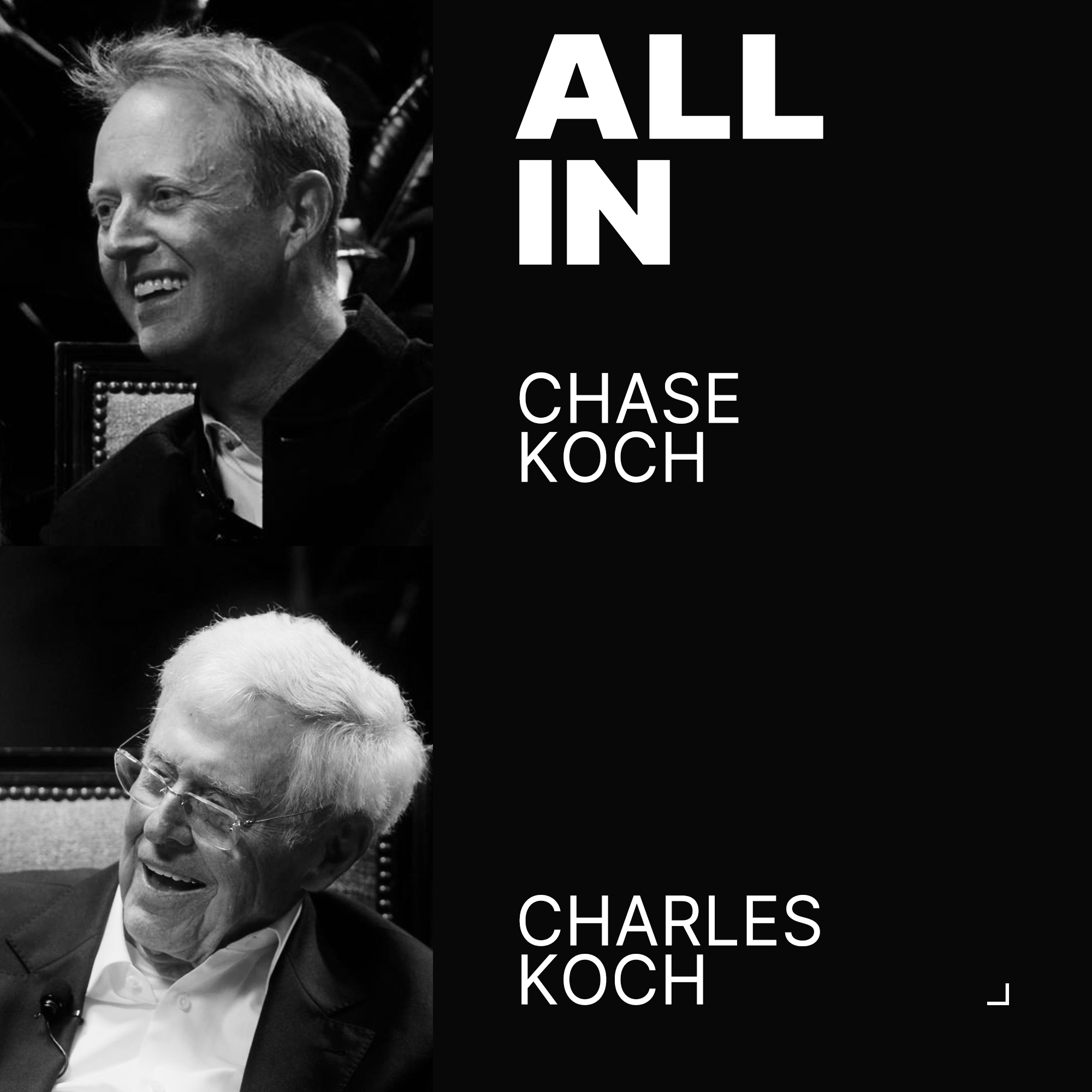
Realizing he was a builder and innovator, not an operator, Chase Koch stepped down as president of Koch Fertilizer. This humbling but crucial decision allowed a better-suited leader to take over, improving the business, while freeing him to launch Koch's successful disruptive technology platform.
Despite success, founder Kevin Wagstaff felt like an "imposter" as the company scaled beyond $10M ARR. He recognized his strengths were in the early, scrappy "bias to action" phase, not managing a larger organization. He proactively brought in a seasoned CEO better suited for the next stage of growth.

Many of the smartest founders and best companies ultimately fail due to the leader's lack of emotional intelligence, humility, and ability to manage people. They obsess over product and market fit but neglect the human dynamics and talent retention that actually sustain a company.

After eight years of grinding, the founder recognized he had taken the company as far as his skillset allowed. Instead of clinging to control, he proactively sought an external CEO with the business acumen he lacked, viewing the hire as a "life preserver" to rocket-ship the company's growth.

A CEO who isn't the founder can be more objective and critical of the business. Founders are often too emotionally invested to see flaws, as the company is an extension of themselves. This emotional distance allows for better, more rational decision-making.
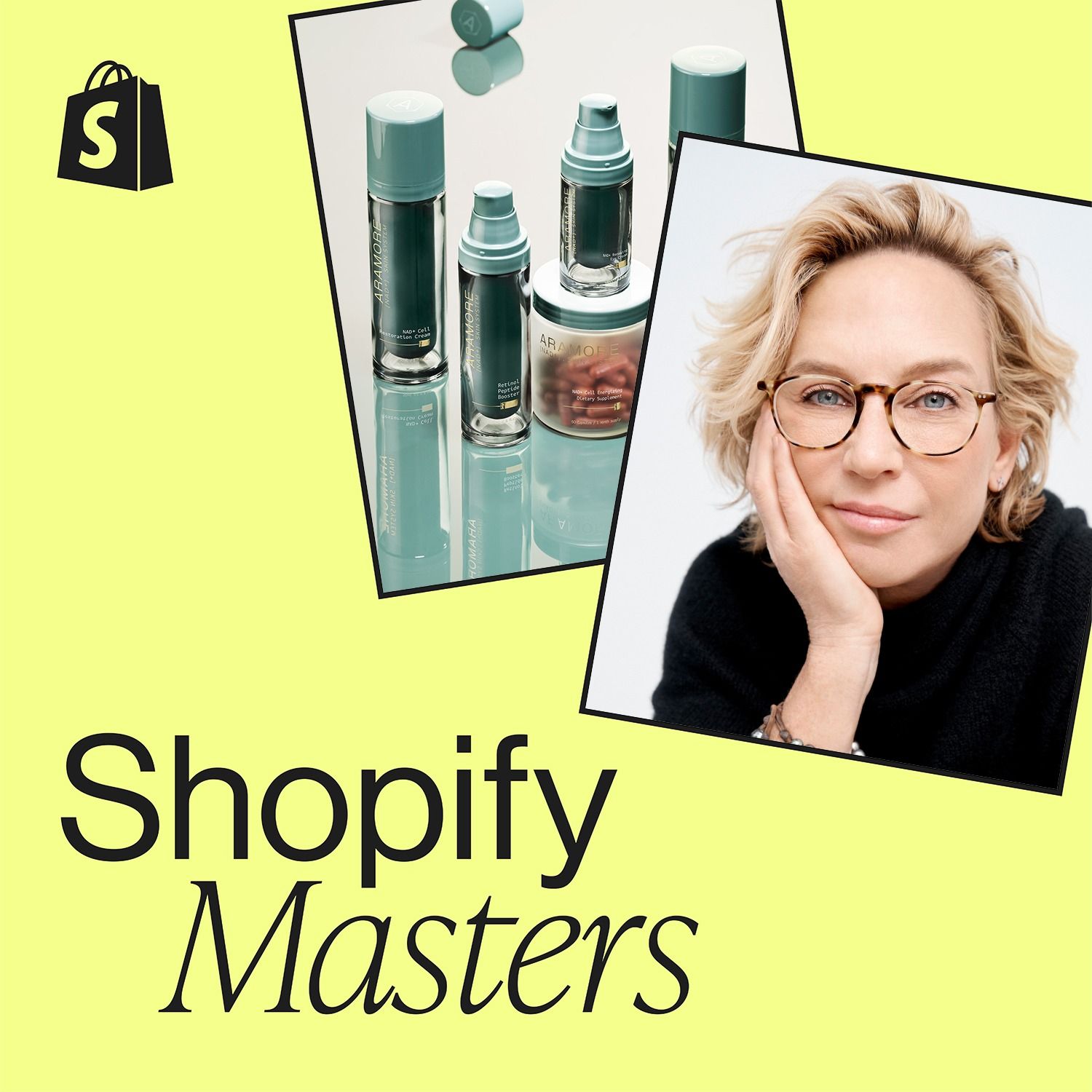
After raising institutional money, founder Justin Gold recruited an experienced executive to take the CEO role. Recognizing his own limitations in scaling a large company, he willingly stepped into a founder-focused role, acknowledging the need for professional leadership.
