Get your free personalized podcast brief
We scan new podcasts and send you the top 5 insights daily.
Gambler Edward Gilbert used leverage to fund his stock market plays. When the market turned, margin calls forced him to sell at the worst possible time, turning a manageable stock drop into a catastrophic loss. Leverage removes the option to wait out volatility, destroying sound investment strategies.
Related Insights
Investors embrace leverage during stable periods to magnify gains, forgetting its downside. However, leverage also magnifies losses. Marks'

Like a poker player after a bad beat, investors who suffer a big loss are psychologically tempted to make increasingly risky bets to recoup their money quickly. This "on tilt" mentality, exemplified by Edward Gilbert, shifts focus from sound analysis to desperate, high-risk gambles that usually compound losses.
Buffett emphasizes 'controlled greed.' His equally smart partner, Rick Guerin, was impatient and used margin loans. When the market fell nearly 70% in 1973-74, he was forced to sell his Berkshire shares back to Buffett for a pittance, missing out on generational wealth.
Investors often underestimate how easily years of compounded gains can be erased by a single bad decision, such as using excess leverage or making an emotional choice. Downside protection is not merely a defensive strategy; it's a vital, offensive component for ensuring the compounding engine survives to continue running.

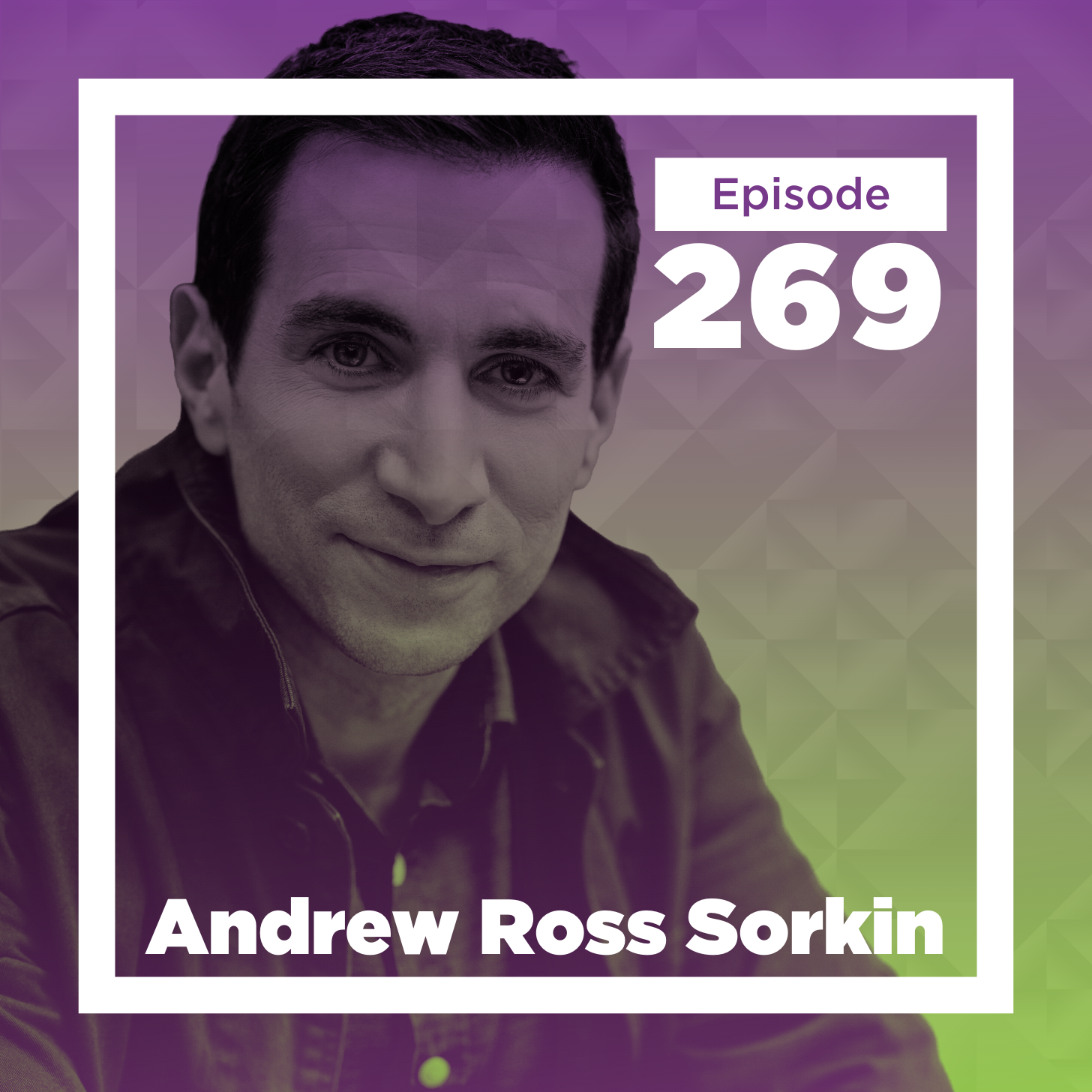
According to Andrew Ross Sorkin, while bad actors and speculation are always present, the single element that transforms a market downturn into a systemic financial crisis is excessive leverage. Without it, the system can absorb shocks; with it, a domino effect is inevitable, making guardrails against leverage paramount.

Bitcoin's recent crash is attributed to extreme leverage unique to crypto, with platforms letting users buy $100 of Bitcoin with only $1 of their own money. This amplifies gains, creating bubbles, but more dangerously, it amplifies losses, forcing panic selling and cascading liquidations that can erase huge gains almost instantly.

While low rates make borrowing to invest (leverage) seem seductive, it's exceptionally dangerous in an economy driven by debt management. Abrupt policy shifts can cause sudden volatility and dry up liquidity overnight, triggering margin calls and forcing sales at the worst possible times. Wealth is transferred from the over-leveraged to the liquid during these resets.

Warren Buffett's early partner, Rick Gurren, was as skilled as Buffett and Munger but wanted to get rich faster. He used leverage, got wiped out in a market downturn, and missed decades of compounding. This illustrates that patience and temperament are more critical components of long-term success than raw investing intellect.
![[REPLAY] Morgan Housel – The Psychology of Money (Capital Allocators, EP.155) thumbnail](https://static.libsyn.com/p/assets/f/b/7/6/fb76e1c8bfb69e8dd959afa2a1bf1c87/CA_Square_logo_light_background_6.26.24.jpg)
Selling in a downturn is driven by two distinct forces: voluntary panic from seeing portfolios in the red and consuming negative media, or forced sales (margin calls, foreclosures) when investors have used too much debt and can't cover their positions.

The narrative of the 1929 crash as mass psychological panic is misleading. The primary driver was a mechanical liquidity crisis where heavily leveraged investors were forced by margin calls to sell, creating a downward spiral regardless of their long-term belief in the market.