Get your free personalized podcast brief
We scan new podcasts and send you the top 5 insights daily.
Unlike the cloud transition which consolidated around a few hyperscalers, the agentic AI shift will be more fragmented. New agentic platforms will emerge from companies like ServiceNow and Salesforce, not just AWS and Microsoft. This creates a more diverse ecosystem for developers and enterprises, moving beyond a three-provider market.

Related Insights
The AI landscape is shifting from exclusive partnerships to a more open, diversified model. Anthropic, once closely tied to Amazon and Google, is now adding Microsoft Azure. This indicates that models are expected to specialize for different use cases, not commoditize, making multi-cloud strategies essential for growth.

The AI wave won't necessarily kill major SaaS players like Salesforce. Instead, the competitive battleground is shifting to who can build the best new agentic interface for their existing platform. Incumbents are adapting quickly, challenging AI-native startups.

Contrary to fears of a monopoly, the AI market is heading toward a diverse ecosystem. The proliferation of open-weight models and specialized tooling allows companies to build and control their own differentiated AI systems rather than simply renting intelligence token-by-token from a handful of large labs.

Comparing today's AI competition to the cloud market circa 2010 suggests we'll see multiple massive winners. Just as AWS's early lead didn't prevent Azure and GCP from becoming hundred-billion-dollar businesses, the AI market is vast enough to support several dominant labs like OpenAI and Anthropic.

Companies are licensing multiple AI tools like Copilot, ChatGPT, and Claude for different use cases. This fragmentation creates a significant business pain: a collection of disconnected AI products that don't share context. This "platform gap" is a major sales opportunity for vendors offering a unified, context-aware solution.

As AI model performance commoditizes, the strategic battleground is shifting from models to platforms. Tech giants like Google are positioning their offerings not as features, but as the fundamental 'operating system' for the agentic enterprise. The new competitive moat is the control plane that orchestrates agents.

The cloud era created a fragmented landscape of single-purpose SaaS tools, leading to enterprise fatigue. AI enables unified platforms to perform these specialized tasks, creating a massive consolidation wave and disrupting the niche application market.
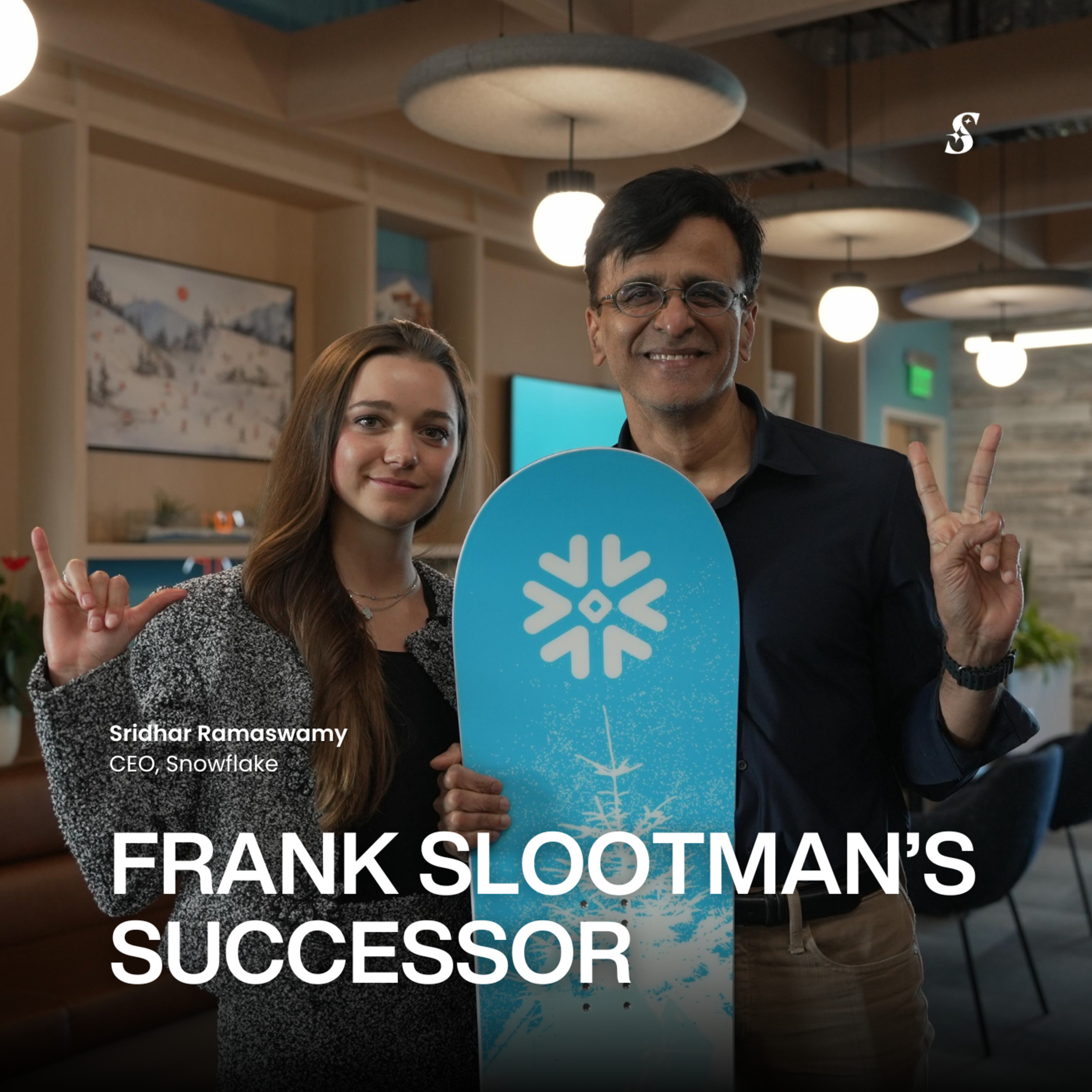
The idea that AI will kill SaaS is flawed. Instead, SaaS is evolving to integrate "agentic" capabilities. This creates a hybrid model where humans and AI agents collaborate within optimized workflows, delivering more value than either could alone. This fusion expands the market rather than destroying it.

SaaS products like Salesforce won't be easily ripped out. The real danger is that new AI agents will operate across all SaaS tools, becoming the primary user interface and capturing the next wave of value. This relegates existing SaaS platforms to a lower, less valuable infrastructure layer.
The current market of specialized AI agents for narrow tasks, like specific sales versus support conversations, will not last. The industry is moving towards singular agents or orchestration layers that manage the entire customer lifecycle, threatening the viability of siloed, single-purpose startups.