Get your free personalized podcast brief
We scan new podcasts and send you the top 5 insights daily.
Leno says when he specced a McLaren, the dealer asked whether he tracked it; when Leno said no, the dealer told him carbon-fiber brakes were unnecessary and saved him $20,000. Leno also received a free horsepower upgrade. He treats that kind of advice as proof of good customer service.

Related Insights
The ultimate trust-building move in retail is to down-sell. By recommending a product that is both better for the customer's needs and less expensive than what they planned to buy, you prove you prioritize their interests over profit. This short-term revenue sacrifice builds immense long-term customer loyalty.

Ferrari's often-criticized press photos for new cars may serve a strategic purpose. By presenting a basic "canvas," they encourage their clientele to engage in extensive, tasteful customization. This user-generated design becomes a key part of the brand's appeal, unlike competitors who present a more finished product.

Kōv Essentials acknowledges its clips are expensive. A key strategy to overcome price objections is their post-purchase experience. They offer a simple warranty: if a clip breaks, they send a new one for free. This protects the customer's investment, signals product quality, and builds loyalty beyond the initial sale.
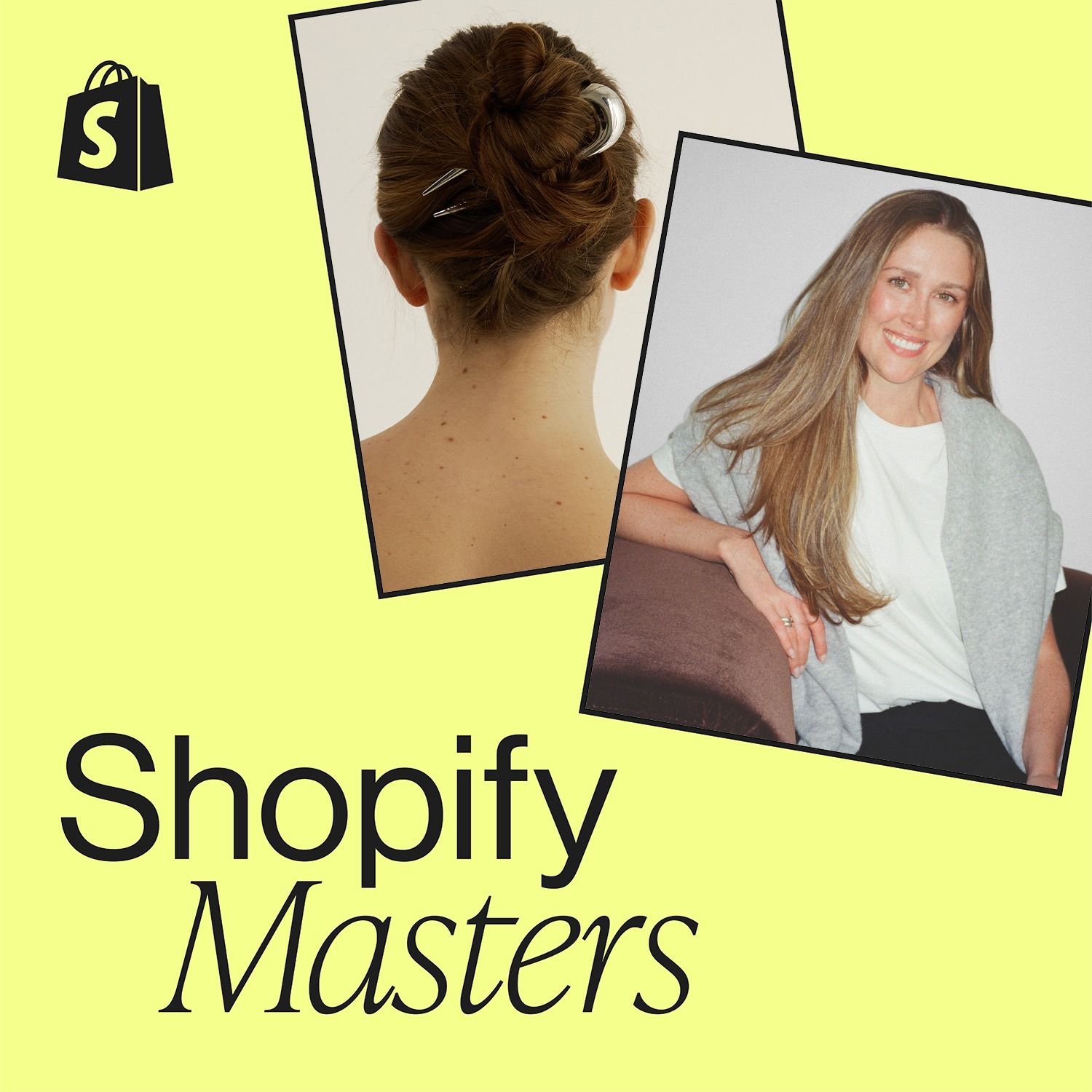
Norwegian Wool avoids inflating prices just to offer discounts later. By maintaining price integrity, they build trust with customers who know they're paying the "real price." This prevents buyer's remorse and reinforces the brand's premium, high-value positioning.

A bespoke tailor is expected to provide luxury service; it's table stakes. However, a tire shop or contractor that delivers the same level of care and proactivity creates a far more powerful differentiator because it shatters customer expectations, driving powerful word-of-mouth.

Consumers are aware of "enshittification"—where products worsen after capturing a market. A powerful marketing strategy is to actively campaign on the promise of not doing this. By highlighting a commitment to maintaining quality and customer experience, a brand can build immense trust and loyalty.

For a century, Rolls Royce refused to state its cars' horsepower, simply calling it 'sufficient.' This masterful branding strategy elevated the company above competitors arguing over specs. It demonstrated that true luxury is about assumed excellence and mystique, not quantifiable data, reinforcing the idea that 'where there is mystery, there is margin.'

In a shift towards predictive CX, brands are proactively saving customers money, even if it hurts immediate revenue. This radical transparency builds immense long-term trust and loyalty.
You cannot command a high price if the customer's experience feels low-value. Every touchpoint—from the technician's uniform and vehicle condition to the dispatcher's tone—must align. A mismatch in this "vibe check" makes a high price feel unjustified and shocking.

Focusing marketing messaging on the experience and feeling of using a product makes customers less sensitive to its price. Conversely, focusing on discounts or cost makes them more price-conscious. Highlighting the experience allows for premium positioning.
