Get your free personalized podcast brief
We scan new podcasts and send you the top 5 insights daily.
The state may intentionally facilitate immigration from groups known for non-integration. The predictable social clashes create public fear and a demand for safety. This allows the government to justify implementing mass surveillance and control measures, like digital IDs, that apply to everyone.

Related Insights
The public focus of ICE is immigration, but its aggressive tactics and fascist-style imagery are primarily designed to intimidate American citizens. The goal is to cow the broader population into submission and discourage them from standing up to state power, transforming the agency into a tool of domestic political control.

The primary problem with large-scale, unassimilated immigration isn't economic but cultural. It creates a "values collision" where two groups with different fundamental worldviews are forced together, generating social friction and conflict that policy-makers often ignore at their peril.

Emergency measures, like the Patriot Act after 9/11, rarely expire. Instead, they create a permanent bureaucratic and technological infrastructure for surveillance and control. This 'emergency-to-infrastructure' pipeline normalizes expanded government power, which is then increasingly aimed at ordinary citizens long after the initial crisis has passed.

Governments can use the "problem-reaction-solution" model. By allowing a disruptive group to cause public outrage, they create demand for action. The government then introduces broad, restrictive laws, ostensibly to solve the initial problem, but which are ultimately used to curtail civil liberties for everyone.
While China exemplifies AI-powered state control, the West possesses the same surveillance technology. An expert warns the only difference is the absence of a centralized government willing to impose it. This makes the "creeping advance of totalitarianism" a significant, under-appreciated threat.

In a counter-intuitive argument, the UK's Home Secretary, herself the daughter of immigrants, posits that restricting immigration is necessary to protect social harmony. The theory is that a perceived lack of control fuels public panic and racism, so tightening controls will calm tensions and ultimately shore up multiculturalism.
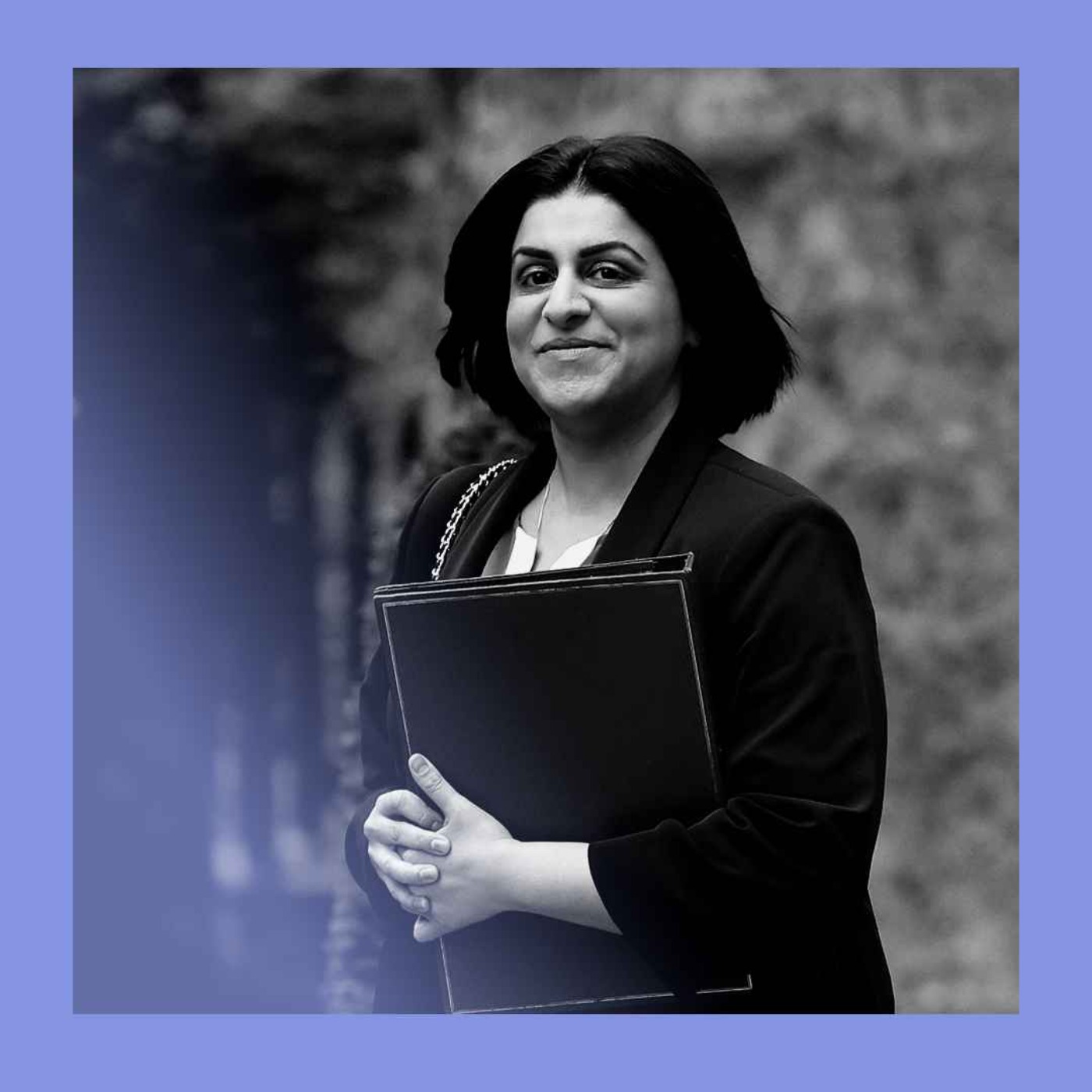
History demonstrates that forcing groups with conflicting core values to coexist without assimilation predictably leads to violent conflict. Society's refusal to acknowledge this pattern of competing 'in-groups' and 'out-groups' is ahistorical and ignores the fundamental nature of cultural friction.

China's national AI strategy is explicit. Stage one is using AI for Orwellian surveillance and population control within its borders. Stage two is to export this model of technological authoritarianism to other countries through initiatives like the "Digital Silk Road," posing a major geopolitical threat.

In Europe and Canada, concepts like DEI and multiculturalism are weaponized by an expanding bureaucratic class. They justify their power by punishing ordinary citizens who express a desire for national identity, using virtue signaling to mask authoritarian overreach.

The potential blowback from foreign military actions, like domestic terror threats, is not just a risk but also an opportunity for the state. It provides a powerful justification for creating a broader surveillance apparatus, using national security to legitimize increased monitoring of citizens.
