Get your free personalized podcast brief
We scan new podcasts and send you the top 5 insights daily.
The launch of Tefamidus for a cardiac disease with a 2% diagnosis rate revealed a massive hidden patient population. This "zero-to-one" success created an entirely new therapeutic category, proving that focusing on diagnostics can unlock huge unforeseen markets.

Related Insights
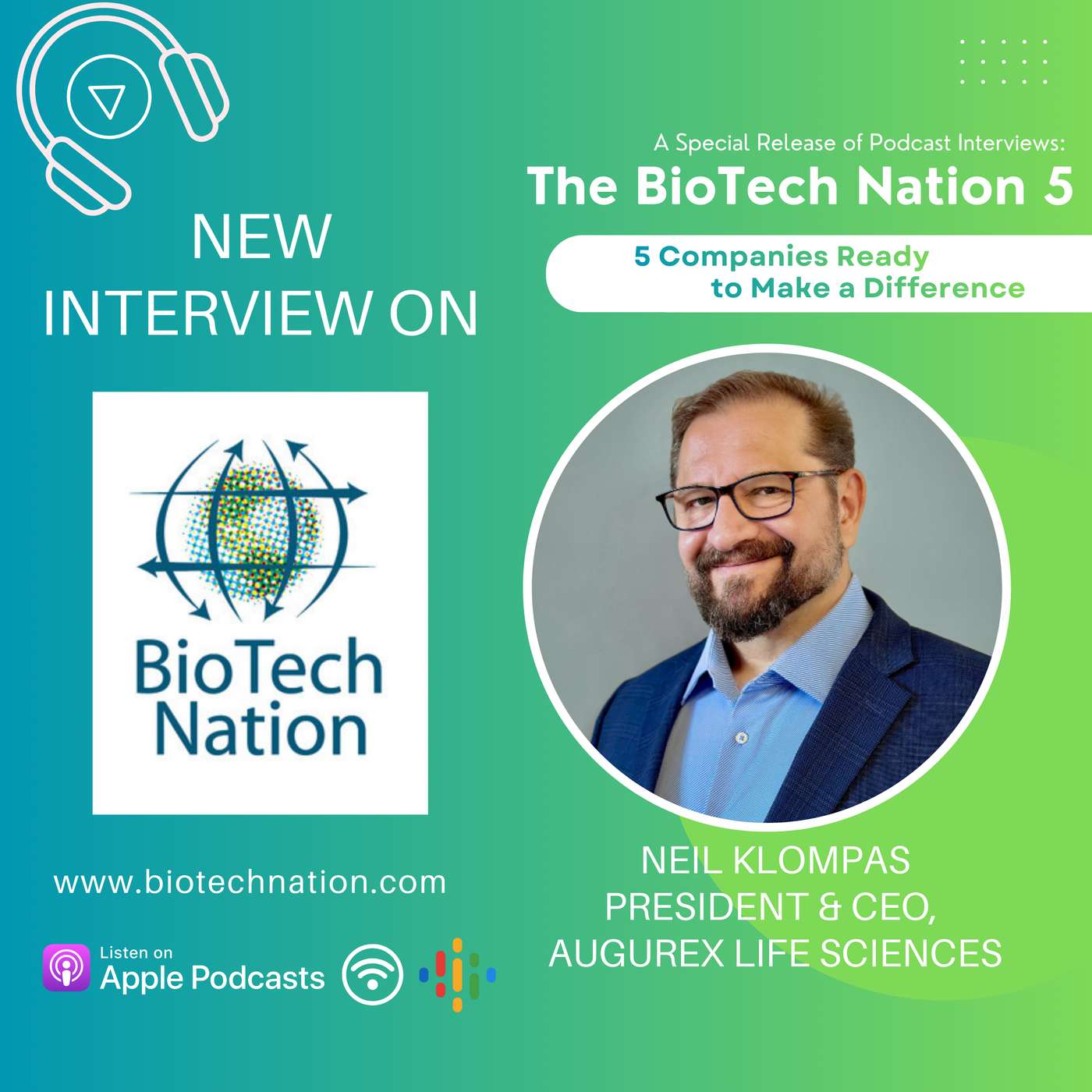
Augurex's diagnostic test doesn't require new drug development. It identifies patients who can benefit from existing, approved rheumatoid arthritis drugs like Humira. This reveals a powerful strategy: creating value by connecting a previously undiagnosed patient population to already established, effective therapies, bypassing the need for novel drug R&D.
The MASH market's potential can only be unlocked by a scalable, non-invasive diagnostic. Biopsies are not feasible for a 90-million-person potential market. Diagnostics are essential for identifying patients and monitoring the efficacy of expensive new treatments, a key requirement for all stakeholders.

A genetic diagnostics machine was built to speed up patient diagnosis in hospitals. However, its biggest market turned out to be pharmaceutical companies needing to prove drug efficacy. This highlights how true product-market fit can be discovered accidentally in an adjacent, more lucrative market.

There is a profound mismatch between the critical role of diagnostics in guiding medical treatment and their reimbursement value. This value gap highlights a systemic inefficiency and a major opportunity for companies that can demonstrate improved patient outcomes and system-wide savings.

For truly innovative therapies in poorly understood diseases, market research is misleading because a quantifiable market doesn't exist yet. The drug's success defines the patient population and reveals the true medical need, as seen with Jakafi and Gleevec.

The highly personalized, N-of-1 approaches developed for rare diseases are not a niche field. With advanced genetic sequencing, it's becoming clear that every disease is effectively rare and unique to the individual. The lessons from rare disease are creating the foundation for all future medicine.

For decades, there was little focus on Alzheimer's diagnostics because a diagnosis offered no effective treatment. The recent emergence of disease-modifying therapies has created an urgent, market-driven need for accurate and accessible diagnostic tools, demonstrating how therapeutic breakthroughs directly fuel diagnostic innovation.
In rare diseases with small patient pools, recruiting for clinical trials is a major challenge. Effion Health's highly sensitive digital biomarkers can detect therapeutic efficacy with fewer participants, potentially reducing the required number of patients by 30%, which saves significant time and money for pharmaceutical companies.

The company secured in-human proof of concept in Chronic Granulomatous Disease, a very rare condition, to de-risk its novel gene editing platform. This initial success is now being leveraged to confidently pursue larger indications like Wilson's disease, demonstrating a classic "de-risk and expand" biotech strategy.
To find undiagnosed patients, Zevra's AI model combines a symptom 'suspicion index' with electronic medical records (EMR) and claims data. It flags physicians whose patient populations show patterns consistent with Niemann-Pick Type C, even if misdiagnosed, enabling targeted education to accelerate diagnosis.
