Get your free personalized podcast brief
We scan new podcasts and send you the top 5 insights daily.
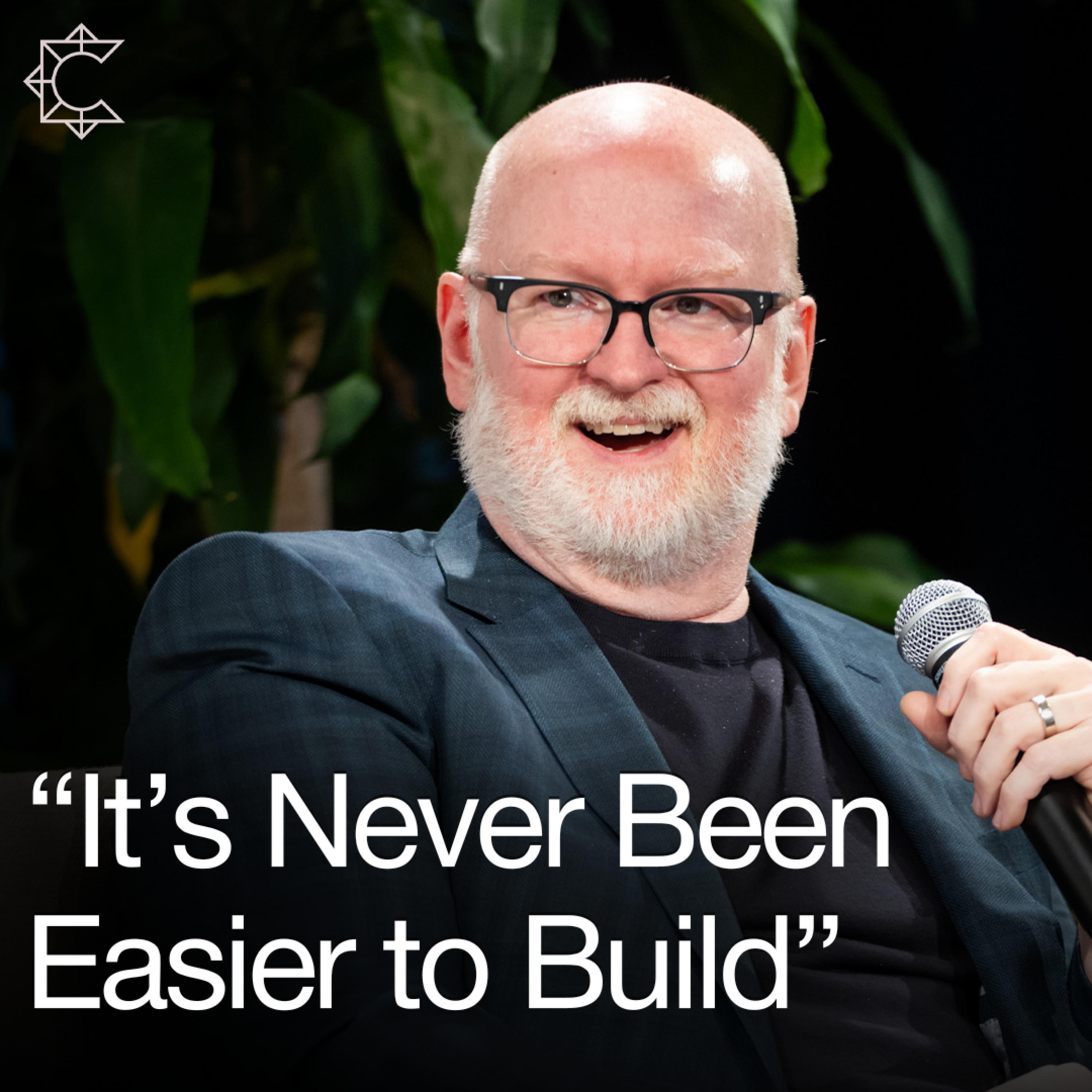
The founder of Better Auth argues that all startup ventures are inherently difficult, regardless of their scope. Since the level of effort and hardship will be high either way, founders should choose to work on ambitious, potentially world-changing problems rather than smaller, less impactful ideas.

Related Insights
For hardworking and talented individuals, the single most important variable for success is the project they choose. Working on a weak market opportunity or a poor founder-fit project can waste years of effort, regardless of skill.

Contrary to conventional wisdom, pursuing massive, hard-to-solve ideas makes it easier to attract capital and top talent. Investors prefer the binary risk-reward of huge outcomes, and the best employees want to work on world-changing problems, not incremental improvements like a new calendar app.

Instead of optimizing for a quick win, founders should be "greedy" and select a problem so compelling they can envision working on it for 10-20 years. This long-term alignment is critical for avoiding the burnout and cynicism that comes from building a business you're not passionate about. The problem itself must be the primary source of motivation.

A full understanding of a complex industry's challenges can be paralyzing. The founder of Buildots admitted he wouldn't have started the company if he knew how hard it would be. Naivety allows founders to tackle enormous problems that experienced operators might avoid entirely.

It's a fallacy that smaller goals are easier. For new ventures, a bigger, more ambitious vision is more differentiated and interesting. This makes it easier to recruit top-tier talent and attract key partners, which in turn simplifies execution and creates a flywheel of momentum.
Founders often fall in love with their solution (e.g., drones for wildfires), but solutions are fragile and constantly change. Adrian Aoun advises entrepreneurs to attach themselves to large, stable problems (e.g., life extension), as the problem's existence is guaranteed, providing a durable foundation for the company.

Luckey advises founders to separate personal passions from the problems that need solving for maximum impact. While he enjoyed building Oculus VR headsets, he chose to found defense company Anduril to tackle a more critical, albeit less "fun," problem in national security. This contrasts with the common advice to "follow your passion."
![Palmer Luckey - Inventing the Future of Defense - [Invest Like the Best, CLASSICS] thumbnail](https://megaphone.imgix.net/podcasts/f7c9aa8e-cb8d-11f0-828e-0b281809c10a/image/cc07f91ec47f95abbde771a4956b37b7.jpg?ixlib=rails-4.3.1&max-w=3000&max-h=3000&fit=crop&auto=format,compress)
Founders often believe success will bring ease and happiness, but building meaningful things is a constant, hard grind. The goal shouldn't be happiness, which is fleeting, but contentment—the deep satisfaction derived from tackling important problems. The hardness itself is a privilege to be embraced.
The fundamental, and most difficult, role of an entrepreneur is solving problems that haven't been solved before. Many fail by focusing on learning functional skills like marketing or AI integration, which are secondary. The core competency is navigating the messy reality of creating something new.

The motivation to start a company wasn't about a guaranteed outcome but about embracing the ultimate test of one's capabilities. The realization that most founders, regardless of experience, are figuring it out as they go is empowering. It reframes the founder journey from a path for experts to a challenge for the determined.
