Get your free personalized podcast brief
We scan new podcasts and send you the top 5 insights daily.
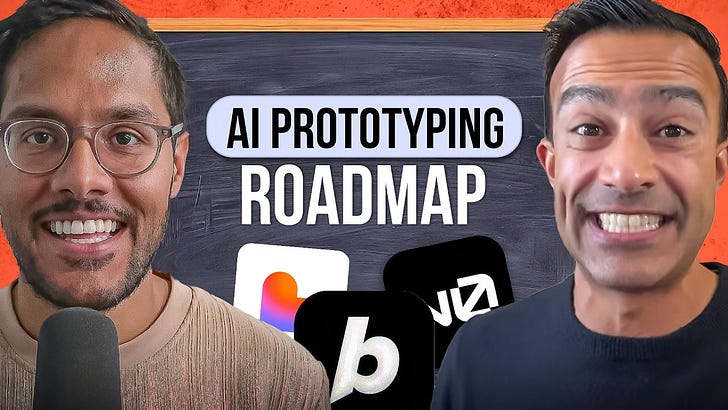
Data on 'vibe-coding' platforms shows that rebuilding a full SaaS app is an advanced, uncommon use case. Most users start with lower-risk, higher-ROI activities like rapid prototyping for engineering, building internal GTM tools, and automating personalized content creation.
Related Insights
AI tools have democratized software development, with nearly half of users who 'vibe code' coming from executive, product, operations, and sales roles. Coding is no longer an exclusive engineering function but a universal skill for problem-solving across the entire business.

The primary value of AI coding assistants is not just writing code faster, but rapidly prototyping ideas to determine their viability. This allows teams to quickly decide whether a feature is worth pursuing, saving significant time and resources on dead-end explorations.

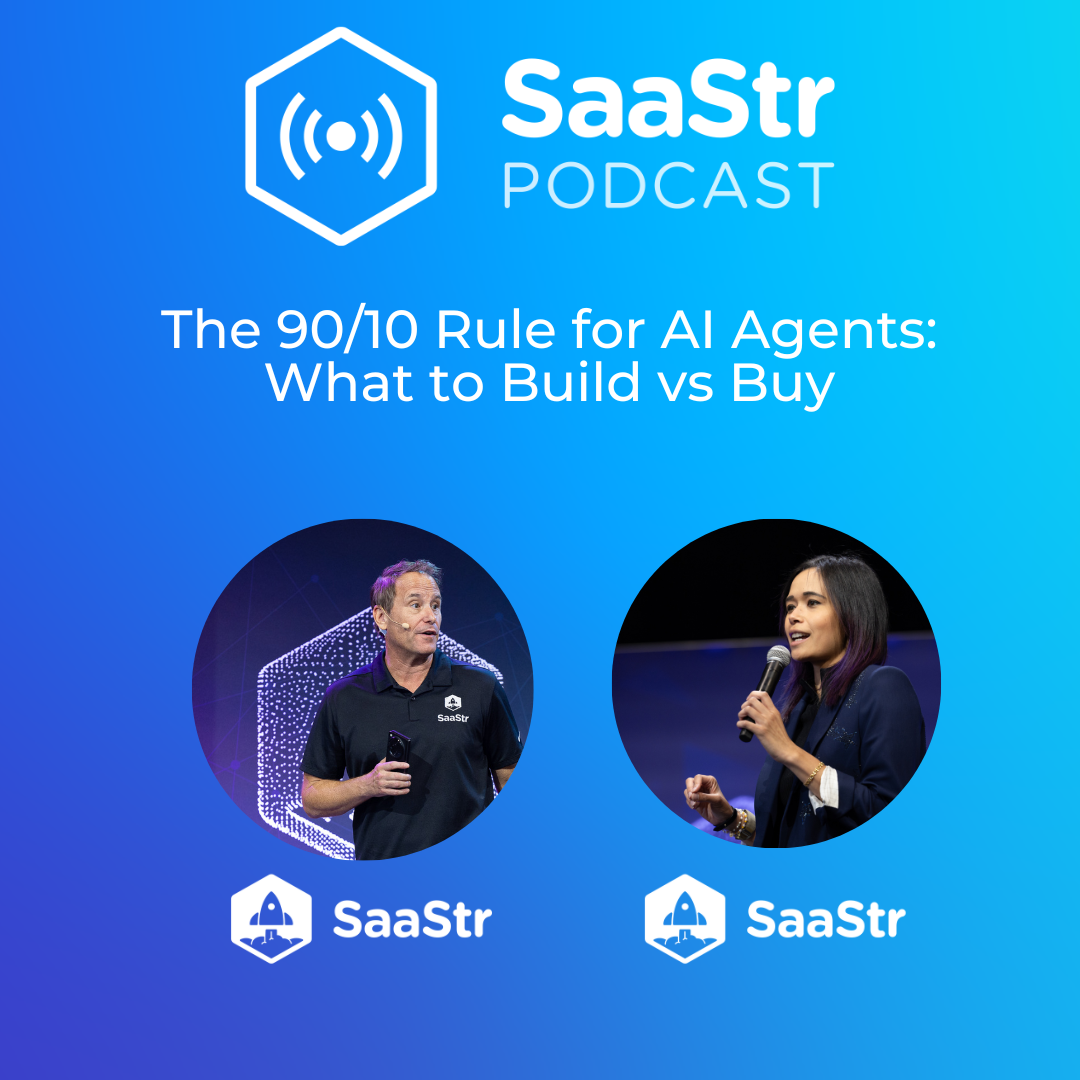
"Vibe coding" platforms, which allow users to create apps from natural language, pose a direct threat to the B2B SaaS market. For simple workflows, it is becoming faster for a team to build its own personalized app than to navigate the sales, procurement, and integration process for an existing SaaS product.

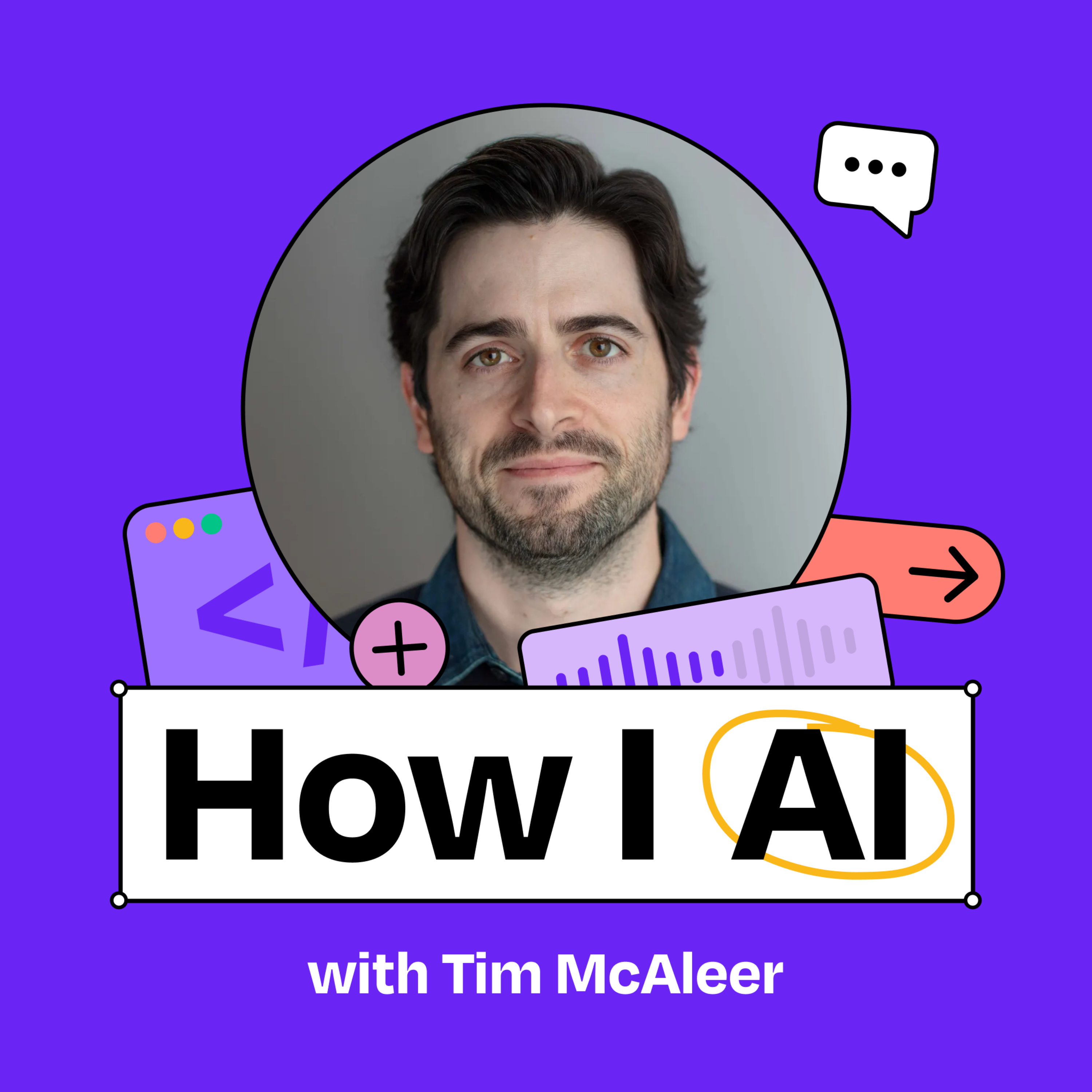
Tim McLear used AI coding assistants to build custom apps for niche workflows, like partial document transcription and field research photo logging. He emphasizes that "no one was going to make me this app." The ability for non-specialists to quickly create such hyper-specific internal tools is a key, empowering benefit of AI-assisted development.
For decades, buying generalized SaaS was more efficient than building custom software. AI coding agents reverse this. Now, companies can build hyper-specific, more effective tools internally for less cost than a bloated SaaS subscription, because they only need to solve their unique problem.

AI tools like Vibe Coding remove the traditional dependency on design and engineering for prototyping. Product managers without coding expertise can now build and test functional prototypes with customers in hours, drastically accelerating problem-solution fit validation before committing development resources.

The primary value of AI app builders isn't just for MVPs, but for creating disposable, single-purpose internal tools. For example, automatically generating personalized client summary decks from intake forms, replacing the need for a full-time employee.

AI-assisted development, or "vibe coding," is re-engaging executives who coded earlier in their careers. It removes the time-consuming friction of going from idea to MVP, allowing them to quickly build personal tools and reconnect with the craft of software creation, even with demanding schedules.

The panel suggests a best practice for AI prototyping tools: focus on pinpointed interactions or small, specific user flows. Once a prototype grows to encompass the entire product, it's more efficient to move directly into the codebase, as you're past the point of exploration.
Resist the temptation to treat AI-generated prototype code as production-ready. Its purpose is discovery—validating ideas and user experiences. The code is not built to be scalable, maintainable, or robust. Let your engineering team translate the validated prototype into production-level code.