Get your free personalized podcast brief
We scan new podcasts and send you the top 5 insights daily.
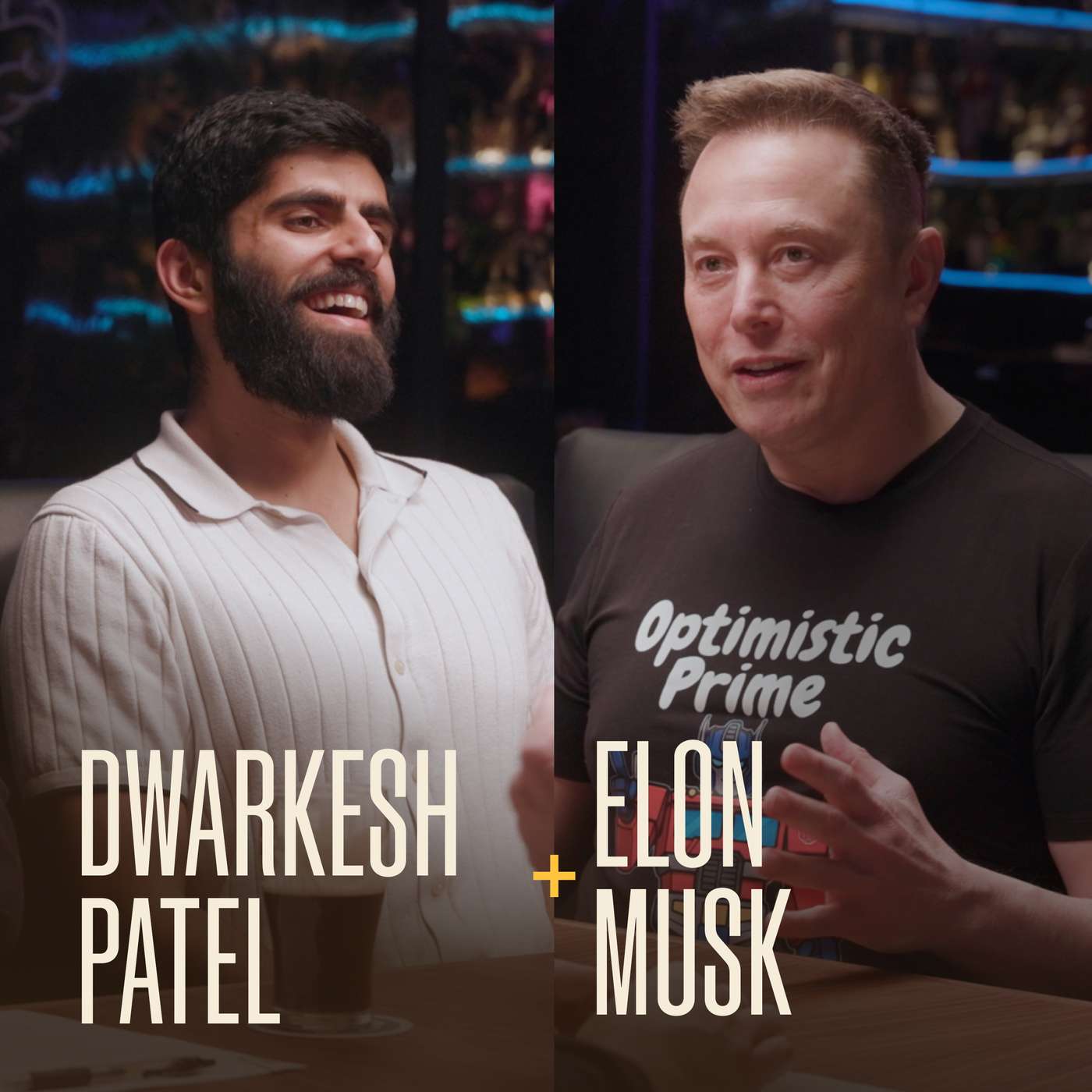
Musk warns against the 'pixie dust' belief that hiring an executive from a famously successful company will automatically transfer that success. He admits to falling for this fallacy himself, learning that talent isn't magical or context-free. This was a major issue for Tesla when Apple relentlessly tried to poach its engineers.
Related Insights
Working at Google conditions you to take user acquisition, talent recruitment, and marketing for granted. When ex-Googlers start companies, they are often unprepared for the fundamental challenge of getting anyone to care about their product, a skill they never had to develop.

Early-stage founders often mistakenly hire senior talent from large corporations. These executives are accustomed to resources that don't exist in a startup. Instead, hire people who have successfully navigated the stage you are about to enter—those who are just "a few clicks ahead."

Avoid hiring a growth leader with a big-name pedigree for your early team, as they are often unsuited for the necessary hands-on experimentation. Instead, seek young, hungry builders who are motivated by chaos and comfortable rebuilding their own work as the company's needs evolve.

Neil Blumenthal warns that hiring talent from large, established companies can be a mistake. These hires often thrive in environments with fully built-out systems, whereas a startup needs entrepreneurial problem-solvers who can create those processes and manuals from scratch.

Musk's success stems from his unique ability to attract hyper-intelligent, maniacally driven individuals. These people are drawn to his high-stakes, high-pressure environment, choosing to "burn out under Musk" rather than be bored elsewhere, creating an unparalleled human capital advantage.

Founders often chase executives from successful scaled companies. However, these execs can fail because their experience makes them overly critical and resistant to the painful, hands-on work required at an early stage. The right hire is often someone a few layers down from the star executive.

Hiring someone with a prestigious background for a role your startup isn't ready for is a common mistake. These hires often need structure that doesn't exist, leading to their underutilization and boredom. It's like using a "jackhammer when all we needed was a sturdy hammer."

Don't default to hiring people who have "done the job before," even at another startup. Unconventional hires from different backgrounds (e.g., archaeologists in customer success) can create unique creativity. The priority should be finding the right fit for your company's specific stage and needs, not just checking an experience box.

Apple's attempt to lead in AI by hiring Google's former AI head backfired spectacularly. This single hire is considered the biggest mistake of Tim Cook's tenure, leaving Apple significantly behind its competitors in the AI race despite an early lead with Siri.
Building a self-sustaining business requires hiring the world's best people. However, top talent like Apple's Jony Ive or Elon Musk's engineers only work for visionary leaders with a proven track record. The ultimate constraint on your ability to attract A-players is your own credibility and ability to sell a compelling future.
