Get your free personalized podcast brief
We scan new podcasts and send you the top 5 insights daily.
Screenwriter Rhett Reese intentionally moved from "horror comedy" to "action comedy" to "straight action" to avoid being pigeonholed. This "half-step" strategy allows professionals to gradually broaden their resume and brand without making jarring leaps that alienate their current market or require starting over.

Related Insights
Once you've established credibility in one area, you can leverage that personal brand to expand into other topics. Don't worry that diversifying your content will dilute your original brand; your audience follows your communication abilities, not just your initial expertise.

Pursuing a more fulfilling career doesn't require risking financial ruin. Instead of taking a blind leap, you can vet a new direction by "trying it on"—shadowing professionals, conducting informational interviews, and testing the work in small ways to understand its reality before making a full transition.

Don't let your current expertise define your entire career. Use it as a stepping stone. Master a niche skill (e.g., LinkedIn expert), build an audience, and then deliberately rebrand and 'upgrade' to a broader mission that aligns with your ultimate passion, like Lewis Howes did moving to The School of Greatness.

Author Ryan Holiday wrote an exposé on marketing, a topic he knew well but wasn't passionate about, as a strategic first step. This "transitional project" established his credibility and gave him the platform to later write about his true passion, Stoic philosophy, which publishers initially resisted.

Career growth isn't just vertical; it can be more powerful laterally. Transferring skills from one industry to another provides a unique perspective. For example, using music industry insights on audience behavior to solve a marketing challenge for a video game launch.

Instead of always chasing promotions, professionals should consider lateral moves into new companies. This allows them to build a solid grounding and learn a new environment without the pressure of a more senior role, ultimately leading to faster, more sustainable upward mobility.

Instead of committing to a career path based on theory, test it via small-scale experiments. Adam Grant, citing Herminia Ibarra's work, explored different roles through small projects before committing. This de-risks major career decisions by gathering real-world data on personal fit and passion.
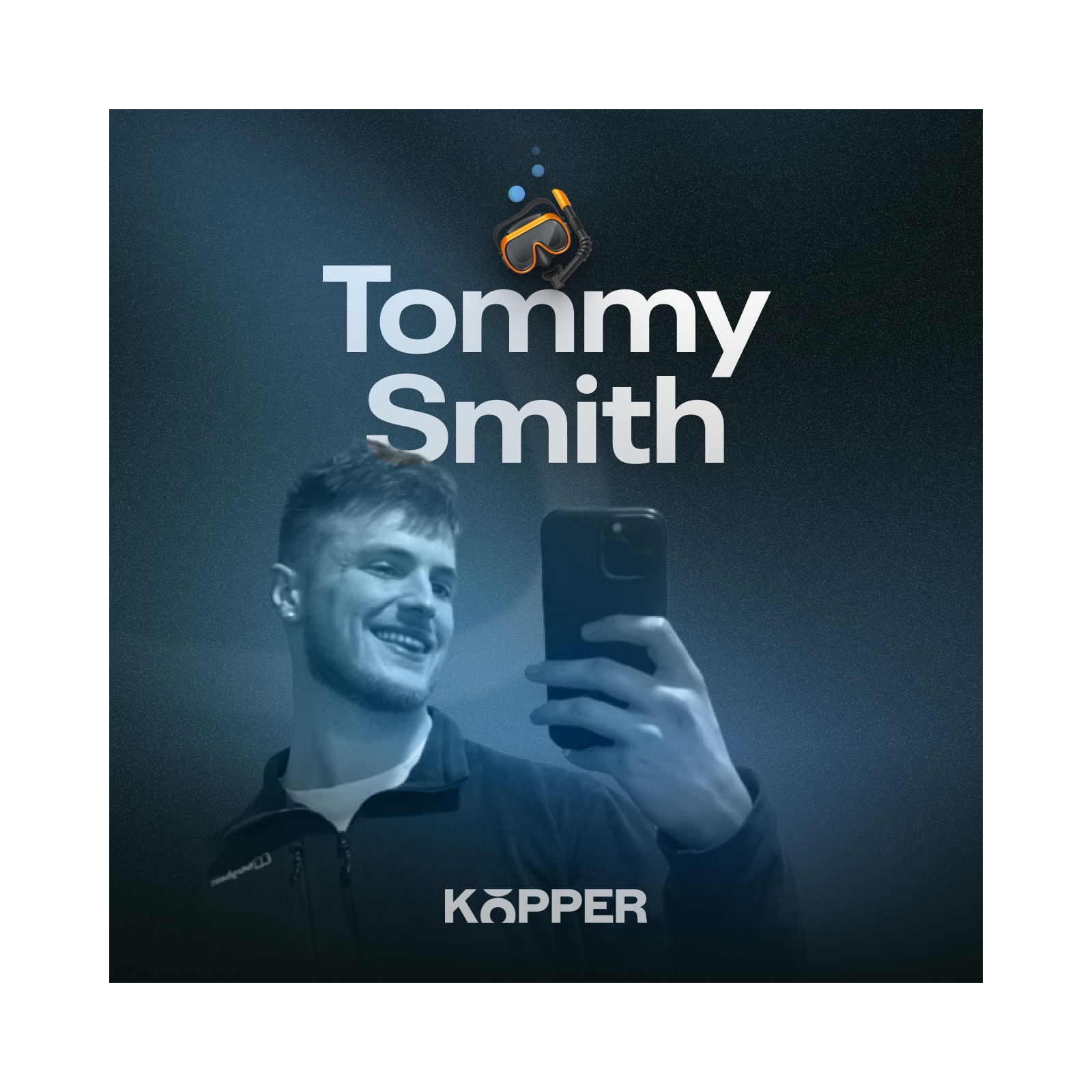
Tommy Smith intentionally featured his side project over professional work to escape being typecast. This strategy allowed him to demonstrate the skills he wanted to use in his next role, proving that personal projects can be more powerful than client work for career progression.
The common belief that career answers lie within is misguided. True clarity comes from external action and experimentation—talking to professionals in a new field, doing short work stints, or building a small project. You discover what you like by doing, not by thinking.

When senior leadership typecasts you (e.g., "just a marketing person"), you must actively pursue challenging roles outside your expertise. This demonstrates broader capabilities and forces them to re-evaluate their perception of your potential.