Get your free personalized podcast brief
We scan new podcasts and send you the top 5 insights daily.
Many successful companies begin as a side project with a limited scope. Kim Vaccarella's initial goal wasn't to build a brand but to patent an idea for a bag and sell the rights, inspired by the $20M sale of Jibbitz to Crocs. The company was born out of necessity.

Related Insights
Initial rejection, even from a junior employee, can be a powerful motivator. Kim Vaccarella's decision to manufacture Bogg Bag herself was sparked by a condescending dismissal from a Crocs employee, turning a setback into the company's origin story.
The founder of Vanta didn't start with a grand vision for her multi-billion dollar company. Instead, she deliberately followed the 'quantity over quality' principle, teaching herself to code and building over 25 small projects. Her massive success emerged from this prolific experimentation, not a single stroke of genius.

Michael Dubin didn't conduct market research; he found his business opportunity in his personal annoyance with the high cost and inconvenient process of buying razors from a locked case. This shows that powerful business ideas often hide in plain sight as everyday frustrations.
Don't start by trying to build a massive company. The most successful founders, from Dropbox to Meta, often began by solving a small, tangible problem they personally faced. This process of solving a real problem is the most reliable way to uncover a much bigger, more significant opportunity.

To work more efficiently, Anastasia Soare invented the first dual-ended brow brush with a spoolie but didn't know it was patentable. Now a market standard copied by countless brands, this missed opportunity serves as a key lesson for founders: hire a smart lawyer early to protect all product innovations.

Brian Smith originally moved to California on a reconnaissance mission to find a hot US product to bring back to Australia. His billion-dollar idea was a complete reversal of his initial strategy, showing the importance of being open to unexpected opportunities.
Early-stage pricing doesn't require complex analysis. Faced with her first sale, Kim Vaccarella invented her wholesale and retail prices on the spot by simply doubling her cost of goods twice. This gut-feel decision was good enough to get the business started.
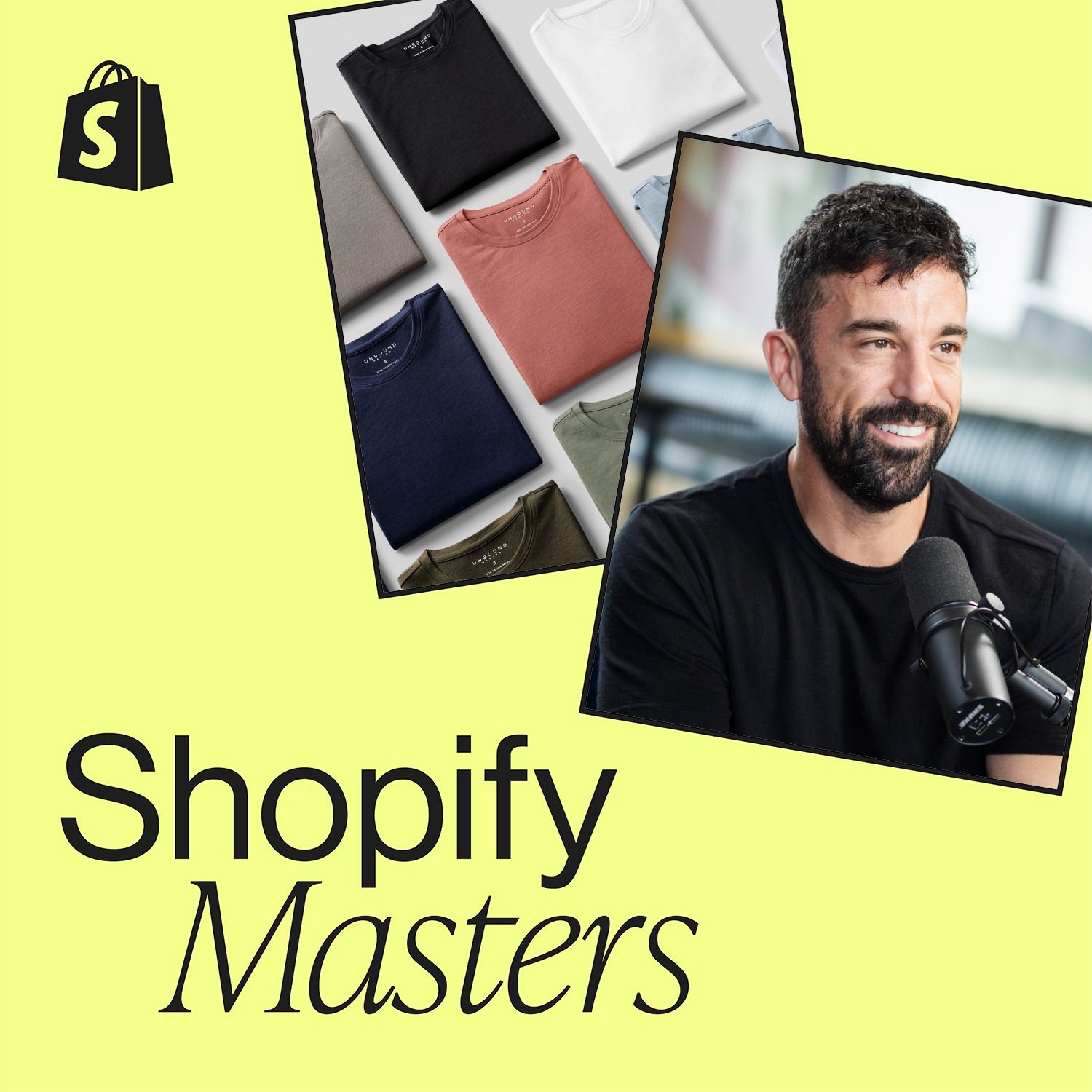
The idea for Unbound Merino came from the founder's own frustrating search for stylish, high-performance travel clothing. When he couldn't find what he wanted, he created it, correctly betting that many others shared his specific problem.
Success isn't linear. Mobile gaming giant Supercell didn't start with mobile games, and drone delivery firm ZipLine began with a robotic toy. This shows that foundational failures in one area can be the necessary learning experiences that lead to market-defining success in another.

The founder of BuzzBalls built a massive CPG brand by rejecting the typical asset-light model. By vertically integrating and producing her own patented plastic containers and spirits, she maintained quality control and supply chain reliability. This demonstrates a powerful, though less common, path to success for bootstrapped CPG founders.