Get your free personalized podcast brief
We scan new podcasts and send you the top 5 insights daily.
A repeat founder's ambition to build something larger than their previous success isn't just about ego or a bigger payday. It's often a deliberate strategy to force themselves into new learning situations. Building a startup of the same size as the last one can feel stagnant because it doesn't present new challenges.

Related Insights
Worrying that a big company will crush your idea is a sign you might be an executive, not an entrepreneur. A true entrepreneur is fundamentally wired to build, and knowledge gained from a "failed" venture is simply fuel for the next one. The process itself is the motivation.

Some entrepreneurs are most comfortable and motivated when they are the underdog. Once they achieve mainstream success and become the favorite, they can lose their edge. This fear of losing the underdog status can drive them to seek new, challenging ventures where they can start from the bottom again.
The founder journey requires different skills at different stages. Instead of being a generalist CEO for ten years, founders can specialize in the chaotic 0-to-1 phase. By repeatedly building companies to initial traction and then handing them off, they get more reps and build deep expertise.

Many successful second-time founders don't innovate into new fields. Instead, they re-apply a proven playbook to the same market, much like a gamer "speed-running" a familiar level. This leverages deep domain expertise to execute faster and more effectively, bypassing the learning curve of a new industry.

The most successful founders are motivated by winning and personal growth, not money. Wealth is a finite motivator that eventually runs out. Building a company based on the thrill of winning and intellectual stimulation creates a more sustainable drive for long-term success.

It's a fallacy that smaller goals are easier. For new ventures, a bigger, more ambitious vision is more differentiated and interesting. This makes it easier to recruit top-tier talent and attract key partners, which in turn simplifies execution and creates a flywheel of momentum.
For some top entrepreneurs, the real obsession is the "chase"—the process of building, struggling, and creating. The final victory, such as a major exit, is less significant. This is demonstrated when a person's single biggest financial win remains largely unknown because they are already focused on the next challenge.
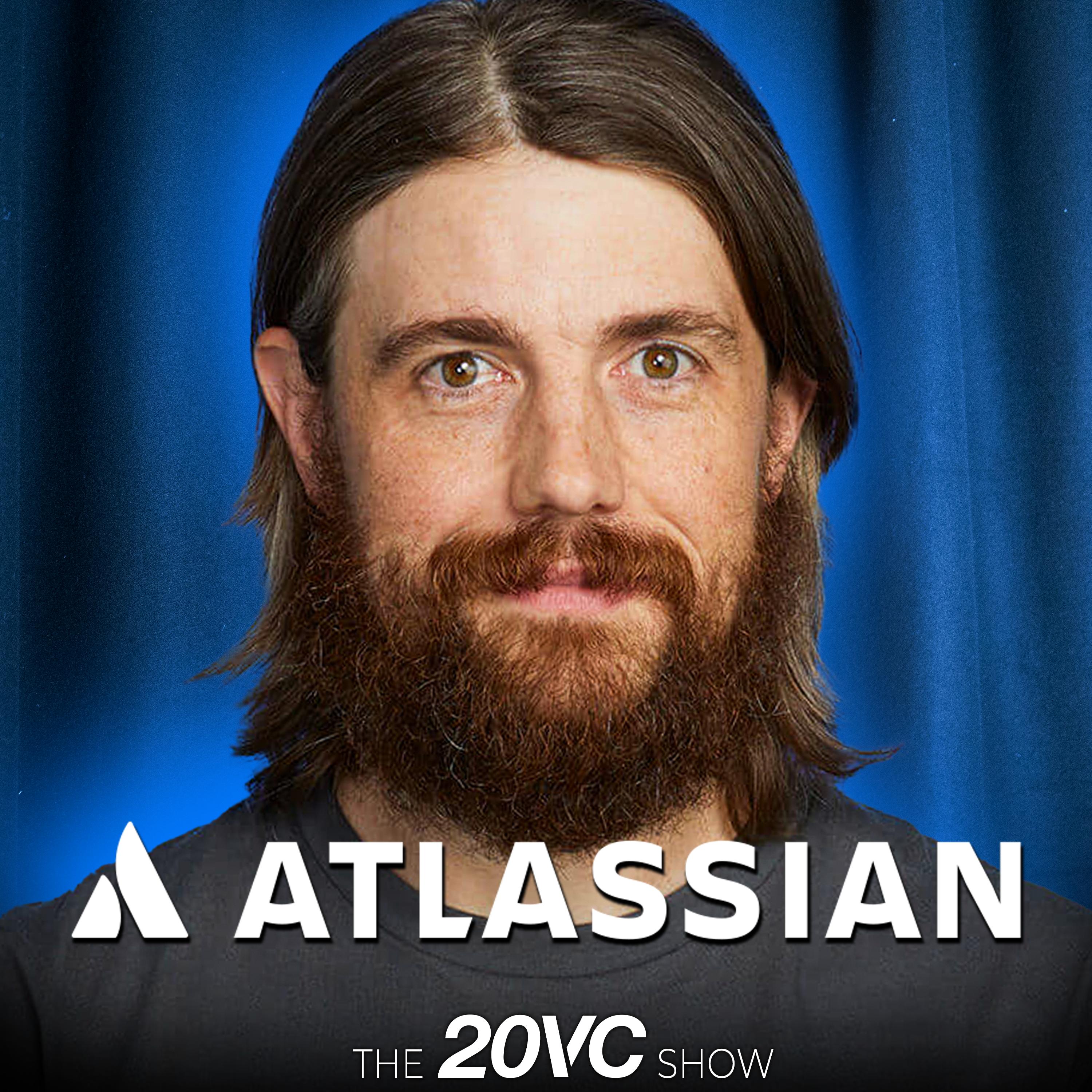
Borrowing a quote from Shopify's CEO, Mike Cannon-Brookes emphasizes that a founder's key responsibility is to counteract the natural decline in ambition that occurs as a company grows. They must constantly push the organization to remain bold and hungry.
To maintain the intense drive needed for a second venture after achieving success, Bhatt actively looks for reasons to motivate himself. He compares this to Michael Jordan inventing slights from opponents to fuel his competitive fire. For repeat founders, finding that "dog in you" is a conscious, manufactured act.

The motivation to start a company wasn't about a guaranteed outcome but about embracing the ultimate test of one's capabilities. The realization that most founders, regardless of experience, are figuring it out as they go is empowering. It reframes the founder journey from a path for experts to a challenge for the determined.
