Get your free personalized podcast brief
We scan new podcasts and send you the top 5 insights daily.
Instead of formal training, pair tech-native junior employees with experienced senior leaders. This apprenticeship model combines the juniors' technical fluency with the seniors' business context and judgment, creating a more powerful and effective way to integrate AI and drive innovation.

Related Insights
Traditional top-down mentorship is obsolete. An effective organization facilitates knowledge flow in all directions, like a traffic roundabout. For example, a junior employee can coach a senior leader on AI tools, while the leader coaches them on customer empathy and navigating corporate politics.

To bridge the AI skills gap with experienced staff, Cloudflare pairs "AI native" interns with senior employees. The explicit goal is for the junior employees to teach their senior colleagues how to use new tools effectively. This reverses the traditional mentorship dynamic to accelerate adoption among those most resistant to change.

Contrary to the belief that AI architecture is only for senior staff, Atlassian finds that "AI native" junior employees are often more effective. They are unburdened by old workflows and naturally think in terms of AI-powered systems. Senior staff can struggle with the required behavioral change, making junior hires a key vector for innovation.

Instead of replacing junior hires, AI creates a new opportunity: empower high-agency junior talent with powerful AI tools. This strategy creates a force-multiplier effect, allowing a small, specialized team to achieve outsized results by giving them "nuclear power" to tackle complex problems.

With AI absorbing the foundational research, drafting, and analysis that junior employees once used to build expertise, companies must create new 'apprentice' roles. This model focuses explicitly on developing human judgment, context, and discernment, which become the most valuable skills when execution is automated.

Young people may understand new AI tools but lack the context to apply them for business value. The opportunity lies in pairing their tech fluency with business process knowledge, teaching them how to generate actual ROI from AI—a critical skill gap across the entire workforce.

The traditional model of senior employees mentoring juniors is outdated. The future of learning and development is 'mutual mentorship,' where experienced leaders also learn from their mentees, creating a reciprocal exchange of wisdom and modern skills.

Notion skips mid-level hires, focusing on a "barbell" shape: junior engineers who are highly productive with AI tools and senior engineers who provide architectural direction and "taste," which AI lacks. This maximizes leverage and mentorship.

In a paradigm shift like AI, an experienced hire's knowledge can become obsolete. It's often better to hire a hungry junior employee. Their lack of preconceived notions, combined with a high learning velocity powered by AI tools, allows them to surpass seasoned professionals who must unlearn outdated workflows.

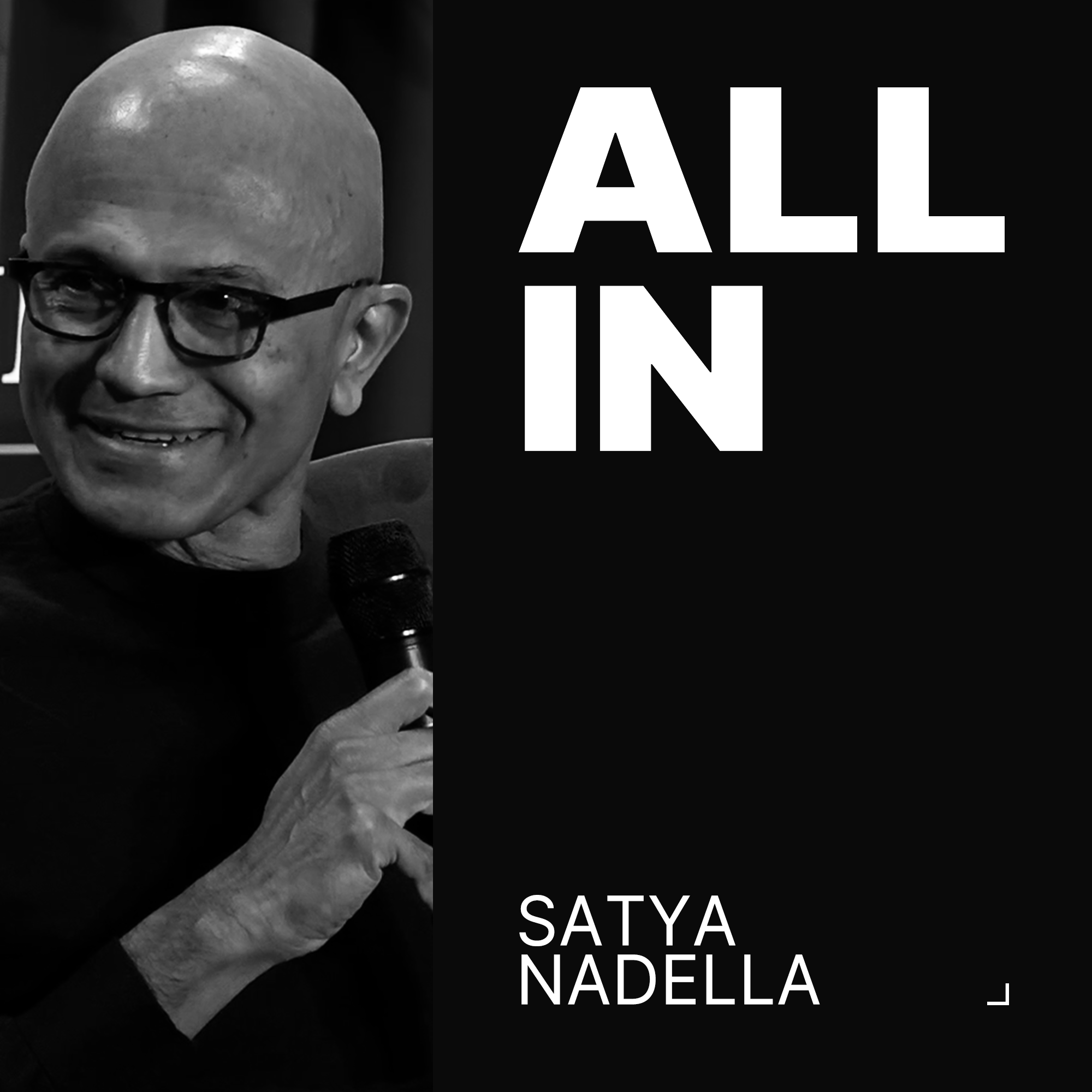
Instead of making entry-level roles obsolete, Satya Nadella argues AI tools act as an "unbelievable mentor." They enable new hires to understand complex codebases and become productive much faster. This changes the dynamic of onboarding, suggesting new apprenticeship models where juniors learn from seniors leveraging AI.