Get your free personalized podcast brief
We scan new podcasts and send you the top 5 insights daily.
Users prefer a single, context-aware agent for all online tasks. WebMCP facilitates this "Bring Your Own Agent" (BYOA) approach, making it superior to siloed, in-app agents that force users to interact with a vendor's specific tool, fragmenting their workflow and context.

Related Insights
To prevent users from getting overwhelmed by dozens of specialized AI agents, create a single "mega-agent" (e.g., a "Go-to-Market Agent"). This wrapper understands user intent and routes requests to the appropriate sub-agent, dramatically lowering friction.

Context-aware personal agents will subsume the functions of many standalone apps, such as fitness or calorie trackers. An agent that already knows a user's location, schedule, and goals can perform these tasks more seamlessly, reducing many current apps to mere APIs for the agent to consume.
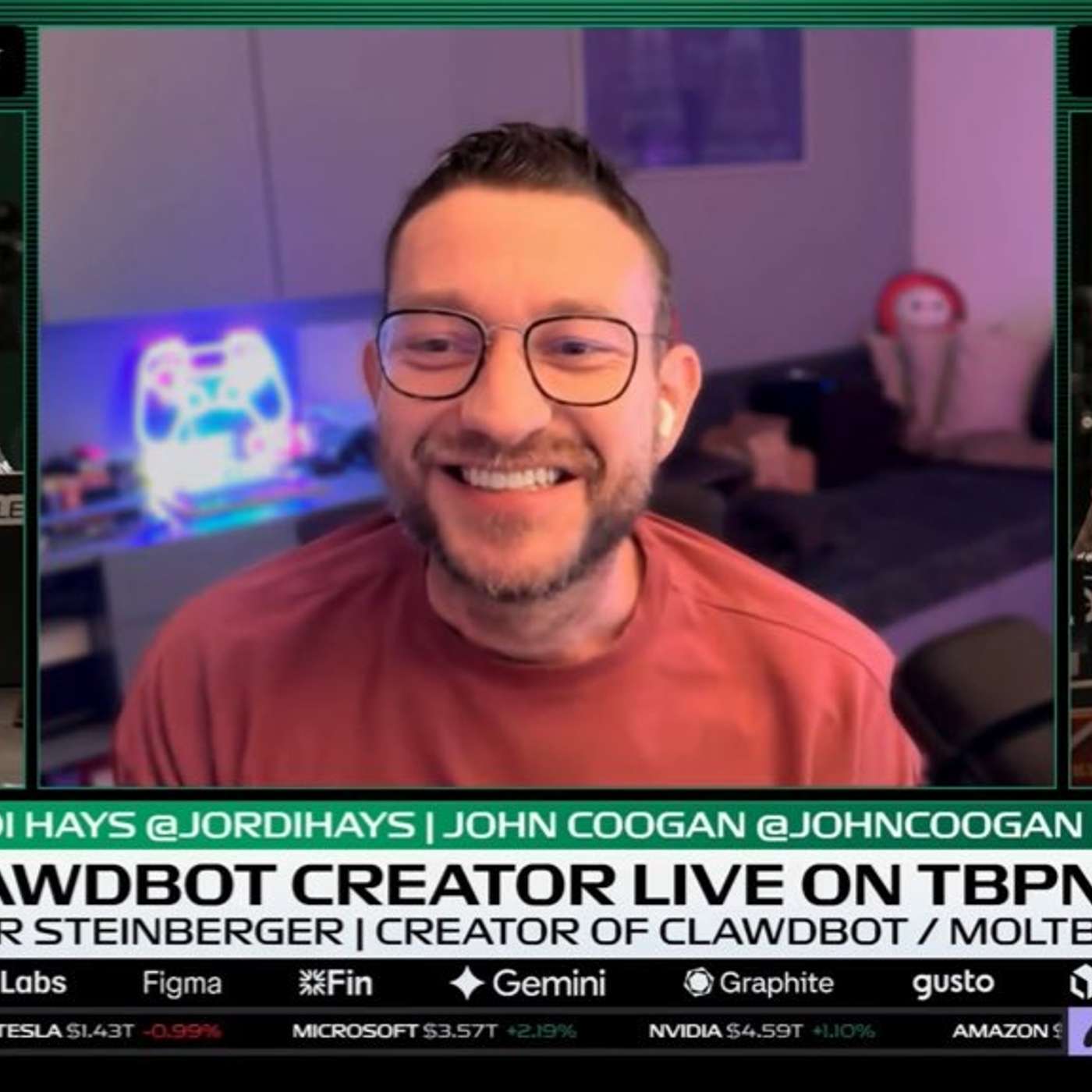
Major AI platforms are becoming "super agents" that connect to a user's software (e.g., email, YouTube) and use "skills" to perform complex, autonomous tasks. This convergence means the choice of platform is becoming a matter of user interface and integration preference rather than unique functionality.

The "all-in-one" SaaS pitch is making a comeback because AI agents thrive on comprehensive context. Fragmented point solutions starve AI models of the necessary data to perform at a high level. Therefore, building a single platform that holds all the context is now a critical competitive advantage, not just a convenience.

A key advantage of WebMCP is its ability to leverage a user's existing browser login session. This bypasses the need for agents to manage complex API keys or authentication tokens, which is a significant barrier to adoption for other agent-native architectures like direct APIs or MCP servers.
Contrary to the trend toward multi-agent systems, Tasklet finds that one powerful agent with access to all context and tools is superior for a single user's goals. Splitting tasks among specialized agents is less effective than giving one generalist agent all information, as foundation models are already experts at everything.

Legacy systems like CRMs will lose their central role. A new, dynamic 'agent layer' will sit above them, interpreting user intent and executing tasks across multiple tools. This layer, which collapses the distance between intent and action, will become the primary place where work gets done.

When a user's personal agent (in an environment like Codex) interacts with an app, it can automatically share vast context about the user's goals and history. This eliminates tedious onboarding and enables a deeply customized experience from the first interaction, changing how software is designed.

The future interface for SaaS products won't just be a UI for humans or a REST API for machines. It will be an 'agent harness'—a rich environment of context, documentation, and skills that enables a customer's AI agent to expertly operate the product and extract maximum value.
The 'SaaS is dead' narrative is wrong. AI agents will actually increase SaaS spending. However, user interaction will shift away from individual app interfaces towards a single, conversational agent that connects to and orchestrates all underlying software tools.