Get your free personalized podcast brief
We scan new podcasts and send you the top 5 insights daily.
To solve the manual, week-long process of distributing 4,000 unique PDF parking passes, the team built a custom AI application in 90 minutes. It handles PDF separation, data appending, and logical distribution, highlighting the ROI of building hyper-specific internal tools.

Related Insights
Previously, the high cost of software development meant products needed to achieve scale to be successful. AI lowers this barrier, making it practical to build custom applications for very small, niche audiences (e.g., a Super Bowl app for 15 family members) that were never financially viable before.

Inspired by standalone sites like bankstatementconverter.com, a major opportunity in the ChatGPT store is building apps that solve highly specific, painful business problems. An app that automatically finds all K1 tax forms in a user's Gmail is a prime example of a simple tool with massive value for a specific audience.

Instead of relying on one-off prompts, professionals can now rapidly build a collection of interconnected internal AI applications. This "personal software stack" can manage everything from investments and content creation to data analysis, creating a bespoke productivity system.

Tim McLear used AI coding assistants to build custom apps for niche workflows, like partial document transcription and field research photo logging. He emphasizes that "no one was going to make me this app." The ability for non-specialists to quickly create such hyper-specific internal tools is a key, empowering benefit of AI-assisted development.
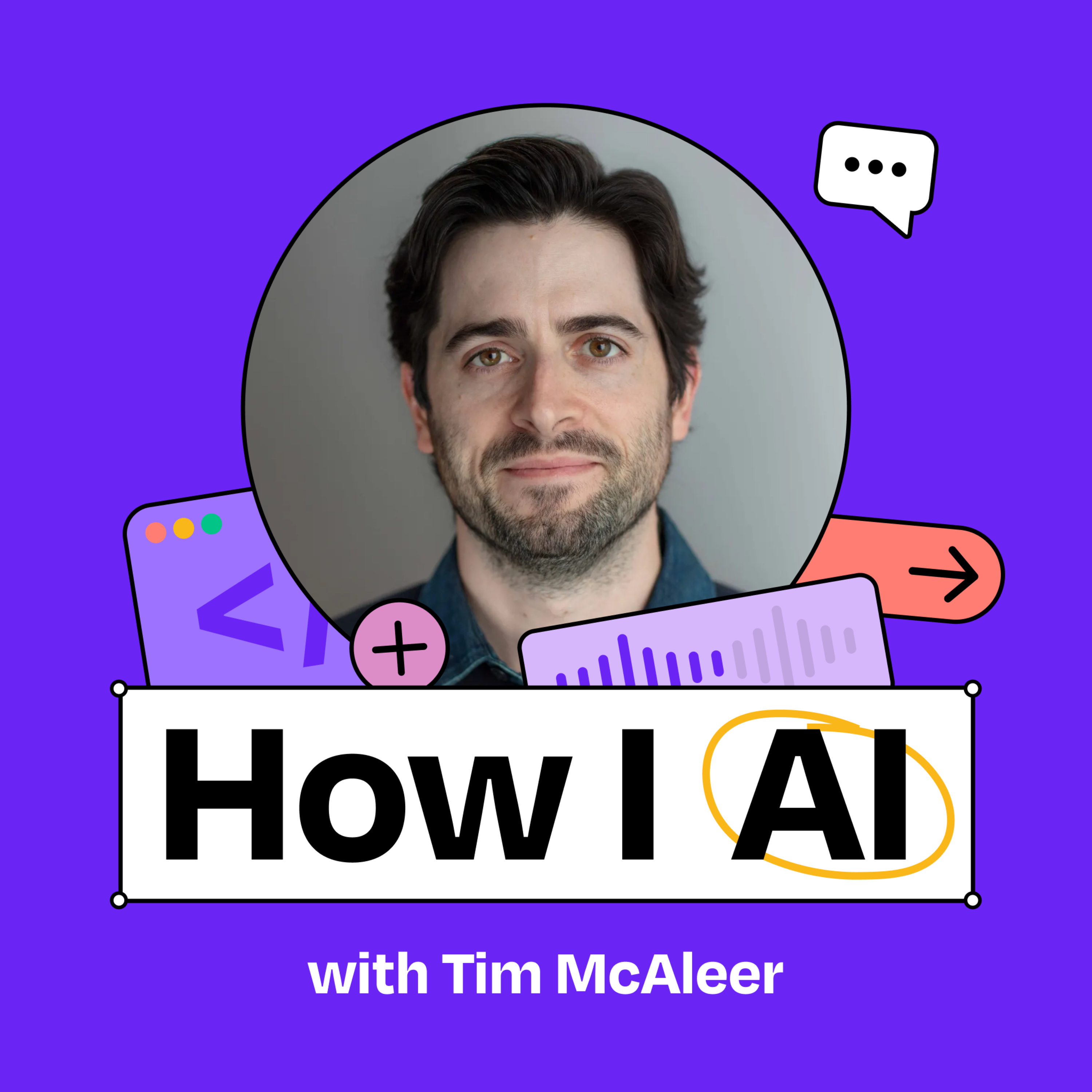
The barrier to creating software is collapsing. Non-coders can now build sophisticated, personalized applications for specific workflows in under an hour. This points to a future where individuals and teams create their own disposable, custom tools, replacing subscriptions to numerous niche SaaS products.

The goal of "permissionless building" isn't always a polished product. AI allows you to create highly specific, "janky" apps in hours to solve unique personal problems, like syncing health data across devices. The value is in the immediate utility, not the public-facing design.
The primary value of AI app builders isn't just for MVPs, but for creating disposable, single-purpose internal tools. For example, automatically generating personalized client summary decks from intake forms, replacing the need for a full-time employee.

AI coding assistants reduce development time from days to just minutes or hours. This makes building custom tools to save a few minutes daily a highly valuable investment, as the payback period for the time spent building is now incredibly short.
Using AI platforms like Lovable, business leaders can build custom internal apps simply by describing what they want in plain English. The host created a bespoke org chart tool in 10 minutes, a process that previously required a lengthy and frustrating cycle with developers, showcasing a dramatic acceleration in productivity.
A process that took days of manual work—exporting 150 sponsor profiles, finding logos, researching descriptions, and formatting for an app—was automated by an AI agent and a co-pilot. The AI did the export, research, and reformatting in just 10 minutes, delivering richer data than the manual process ever did.
