Get your free personalized podcast brief
We scan new podcasts and send you the top 5 insights daily.
The goal of "permissionless building" isn't always a polished product. AI allows you to create highly specific, "janky" apps in hours to solve unique personal problems, like syncing health data across devices. The value is in the immediate utility, not the public-facing design.
Related Insights
A professional with a non-technical background used "vibe coding" (low/no-code AI development) to instantly build highly personalized apps for her own life. These included a house-shopping comparison tool based on her specific trade-offs and a custom meal planner for a friend's diet, showing a new level of personal software creation.

AI will democratize software development to the point where building your own custom apps becomes commonplace. Instead of settling for one-size-fits-all solutions, people will create "personal software" perfectly tailored to their specific workflows, like a custom workout tracker.

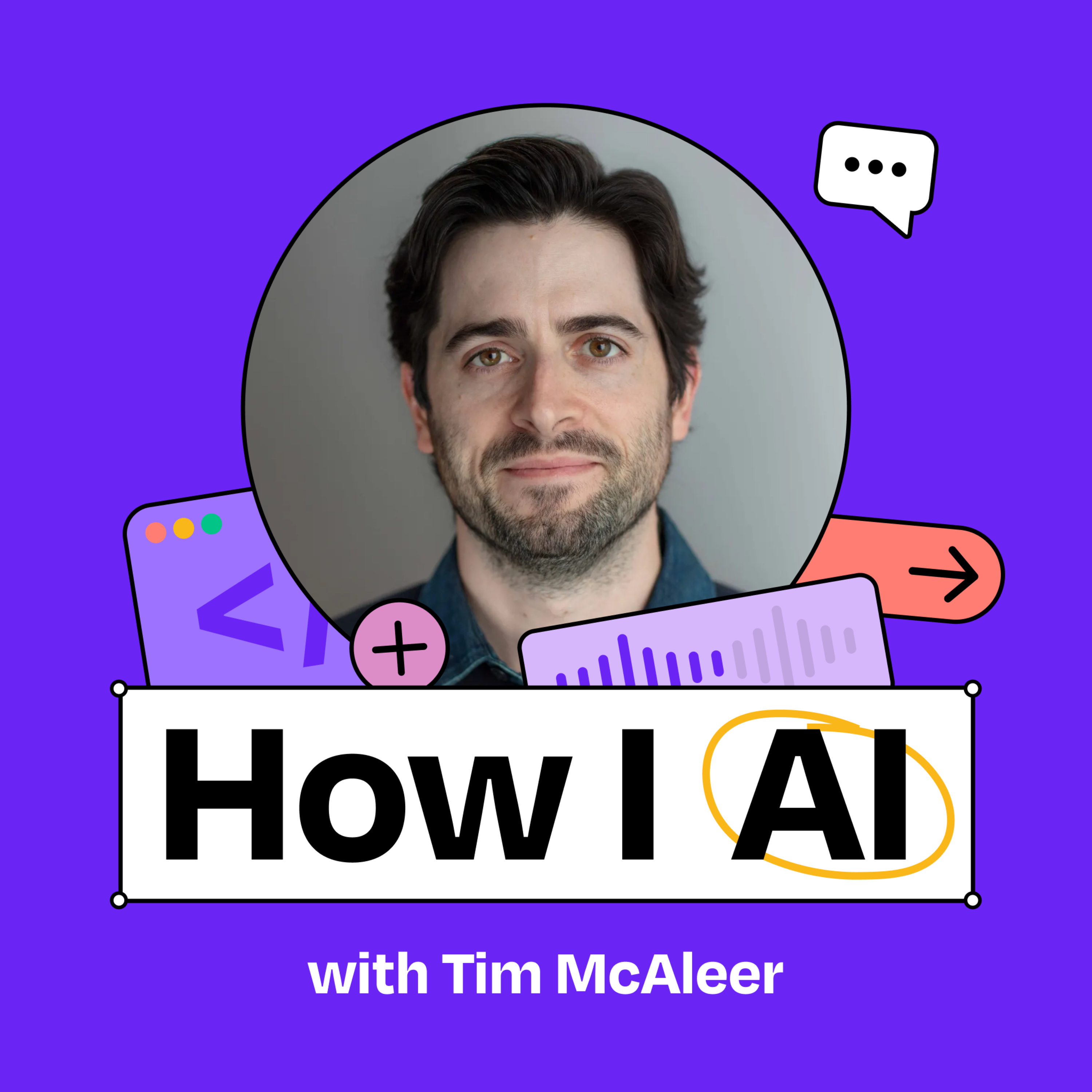
Tim McLear used AI coding assistants to build custom apps for niche workflows, like partial document transcription and field research photo logging. He emphasizes that "no one was going to make me this app." The ability for non-specialists to quickly create such hyper-specific internal tools is a key, empowering benefit of AI-assisted development.
The barrier to creating software is collapsing. Non-coders can now build sophisticated, personalized applications for specific workflows in under an hour. This points to a future where individuals and teams create their own disposable, custom tools, replacing subscriptions to numerous niche SaaS products.

The proliferation of AI development tools points to a future of billions of hyper-specialized applications. This could end the concept of a single, consistent user experience, creating a reality where every digital product is uniquely customized for each individual user.

The surprising success of Dia's custom "Skills" feature revealed a huge user demand for personalized tools. This suggests a key value of AI is enabling non-technical users to build "handmade software" for their specific, just-in-time needs, moving beyond one-size-fits-all applications.

The primary value of AI app builders isn't just for MVPs, but for creating disposable, single-purpose internal tools. For example, automatically generating personalized client summary decks from intake forms, replacing the need for a full-time employee.

Treat your personal software as malleable. Instead of enduring friction, describe your pain point to an AI and have it build a solution, like a custom web UI or Kanban board, in hours. This shifts the paradigm from using to co-creating tools.

AI coding assistants reduce development time from days to just minutes or hours. This makes building custom tools to save a few minutes daily a highly valuable investment, as the payback period for the time spent building is now incredibly short.
While the internet has consolidated around major platforms, AI presents a counter-force. By drastically lowering the cost and complexity of building mobile apps, new tools could enable a 'Cambrian explosion' of personalized applications, challenging the one-size-fits-all model.
