Get your free personalized podcast brief
We scan new podcasts and send you the top 5 insights daily.
Contrary to the "token maxing" culture of keeping AI agents busy, Newman optimizes for his own time and mental state. After finding the pressure to constantly feed the AI stressful, he now gives it tasks when he's ready, not the other way around, prioritizing his own workflow over the agent's uptime.

Related Insights
Treating AI coding tools like an asynchronous junior engineer, rather than a synchronous pair programmer, sets correct expectations. This allows users to delegate tasks, go to meetings, and check in later, enabling true multi-threading of work without the need to babysit the tool.
Users who treat AI as a collaborator—debating with it, challenging its outputs, and engaging in back-and-forth dialogue—see superior outcomes. This mindset shift produces not just efficiency gains, but also higher quality, more innovative results compared to simply delegating discrete tasks to the AI.
The shift to powerful AI agents creates a new psychological burden. Professionals feel constant pressure to keep their agents running, transforming any downtime—like meetings or breaks—into a source of guilt over 'wasted' productivity and underutilized AI assistants.

A powerful workflow is to explicitly instruct your AI to act as a collaborative thinking partner—asking questions and organizing thoughts—while strictly forbidding it from creating final artifacts. This separates the crucial thinking phase from the generative phase, leading to better outcomes.

The Google search era conditioned users to be self-sufficient problem solvers. To truly leverage AI, one must adopt a new mindset of delegation, treating tools like ChatGPT as thought partners rather than just information retrieval systems. This is a significant behavioral shift from self-reliance to collaboration.

Instead of viewing AI collaboration as a manager delegating tasks, adopt the "surgeon" model. The human expert performs the critical, hands-on work while AI assistants handle prep (briefings, drafts) and auxiliary tasks. This keeps the expert in a state of flow and focused on their unique skills.
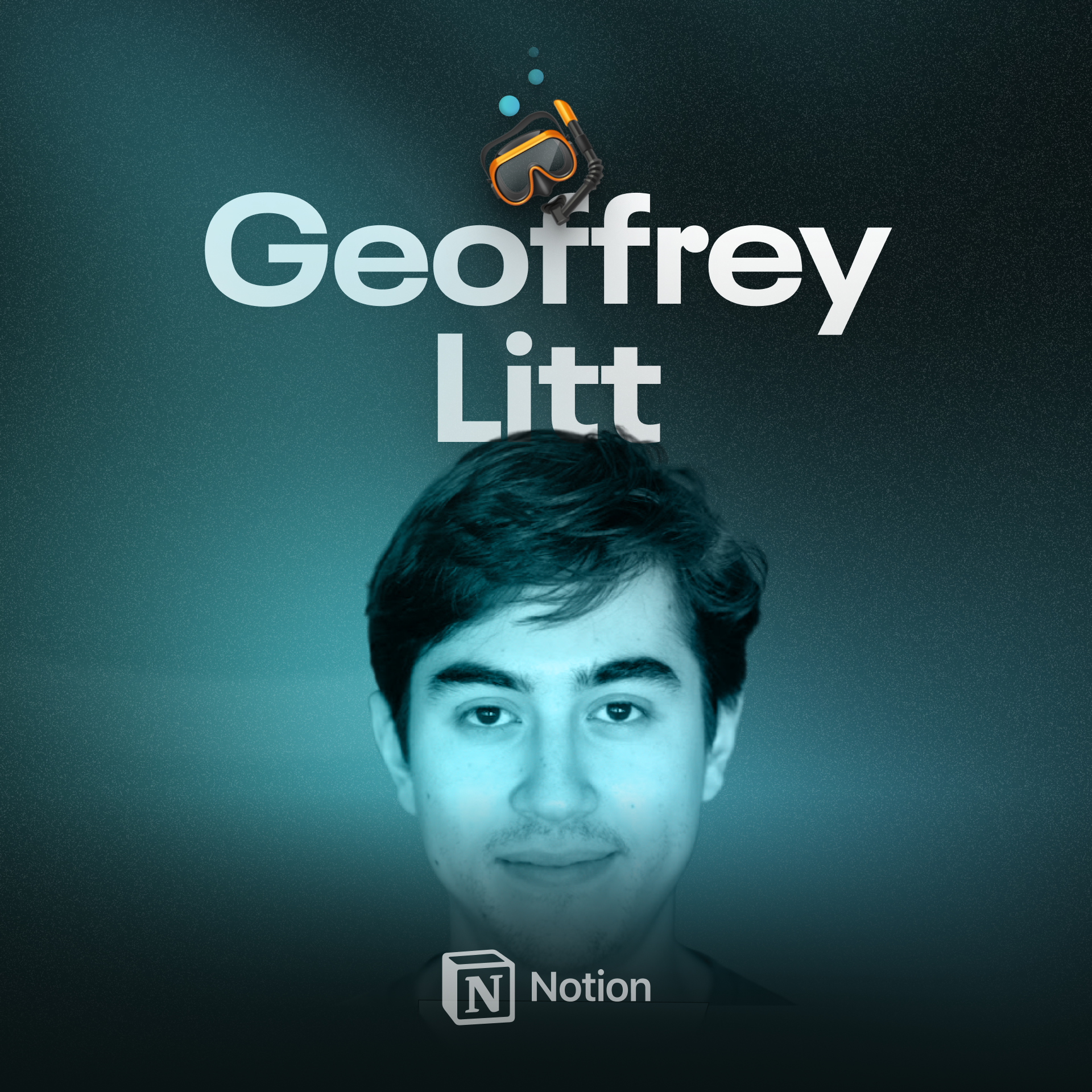
The role of a top engineer is shifting from writing code to orchestrating multiple AI agents simultaneously. Notion's co-founder now queues tasks for AIs to work on while he's away, becoming a manager of AI talent rather than just an individual contributor, dramatically multiplying his leverage.
Instead of perfecting a single prompt, treat AI interaction as a rapid, iterative cycle. View the first output as a draft. Like managing an employee, provide feedback and refine the result over several short cycles to achieve a superior outcome, which is more effective than front-loading all effort.
The capability for AI agents to work asynchronously creates a novel form of professional anxiety. Knowledge workers now feel a persistent pressure to have agents productively building in the background at all times, leading to a fear of falling behind if they aren't constantly orchestrating AI tasks.
The paradigm for AI delegation shifts from instructing an agent to curating a knowledge base. Your primary job is ensuring your Obsidian vault accurately reflects your thinking. An autonomous agent pulls from this "source of truth," and you correct its behavior by updating the vault, not the agent.
