Get your free personalized podcast brief
We scan new podcasts and send you the top 5 insights daily.
Small cell lung cancer is so aggressive that patients can deteriorate in weeks, often before treatment can even begin. Unlike other cancers where waiting is possible, the full workup—including imaging, PET scans, and MRI brain—must be completed within 48 to 72 hours to enable immediate initiation of therapy.
Related Insights
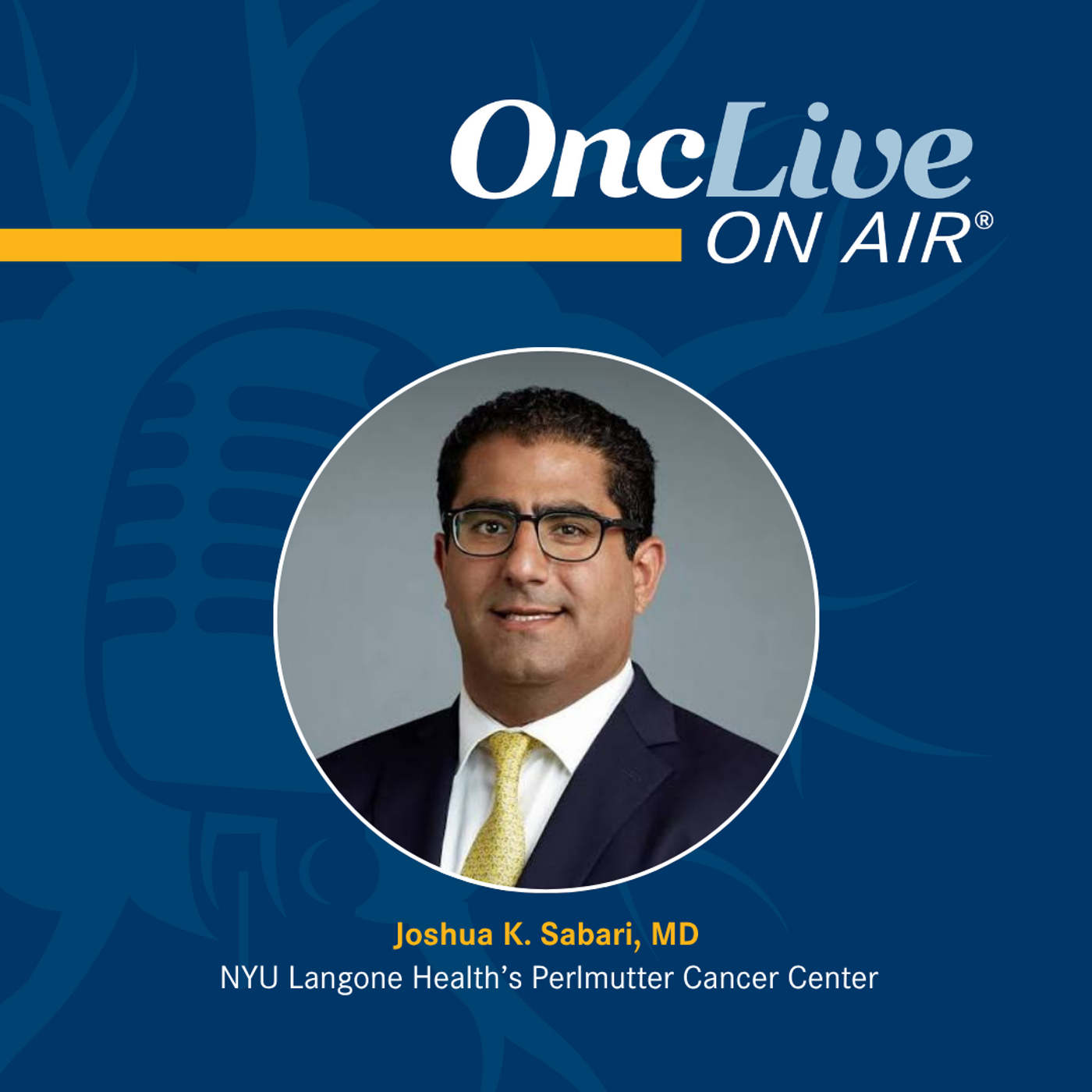
An expert argues that existing data, based on short-term studies, grossly underappreciates the value of lung screening for SCLC. In clinical practice, robust, ongoing screening programs are diagnosing approximately 60% of SCLC cases in the limited stage, dramatically improving the potential for curative-intent therapy.

The aggressive nature of small cell lung cancer (SCLC) demands immediate treatment, often within days. This urgency, while necessary for disease control, paradoxically restricts patients' ability to seek second opinions, process their diagnosis, or enroll in first-line clinical trials, which providers may bypass for faster standard care.

When a lung cancer patient is too symptomatic to wait for genomic testing results, the expert consensus is to initiate treatment with chemotherapy alone. Adding immunotherapy upfront is ill-advised, as its use in EGFR-mutated patients (a common finding) can be detrimental.

In community SCLC care, molecular strategies are not monolithic. Genomic alteration testing (NGS) is ready for immediate use and can identify targets today. In contrast, neuroendocrine subtyping is still investigational and not yet clinically actionable, pending results from research studies.
In community settings, a majority of Small Cell Lung Cancer patients (50-60%) deteriorate too quickly to receive second-line treatment, compared to 30% in academic centers. This highlights the disease's aggressiveness and the necessity of using the most effective treatments first, as many patients will not get a second chance.
Effective collaboration for fast-moving small cell lung cancer shouldn't wait for a referral. Dr. Cooper advocates for a systems-level protocol where the pathologist's diagnosis itself triggers an immediate alert (e.g., a page) to the entire multidisciplinary team to enable rapid, coordinated planning from the moment of diagnosis.
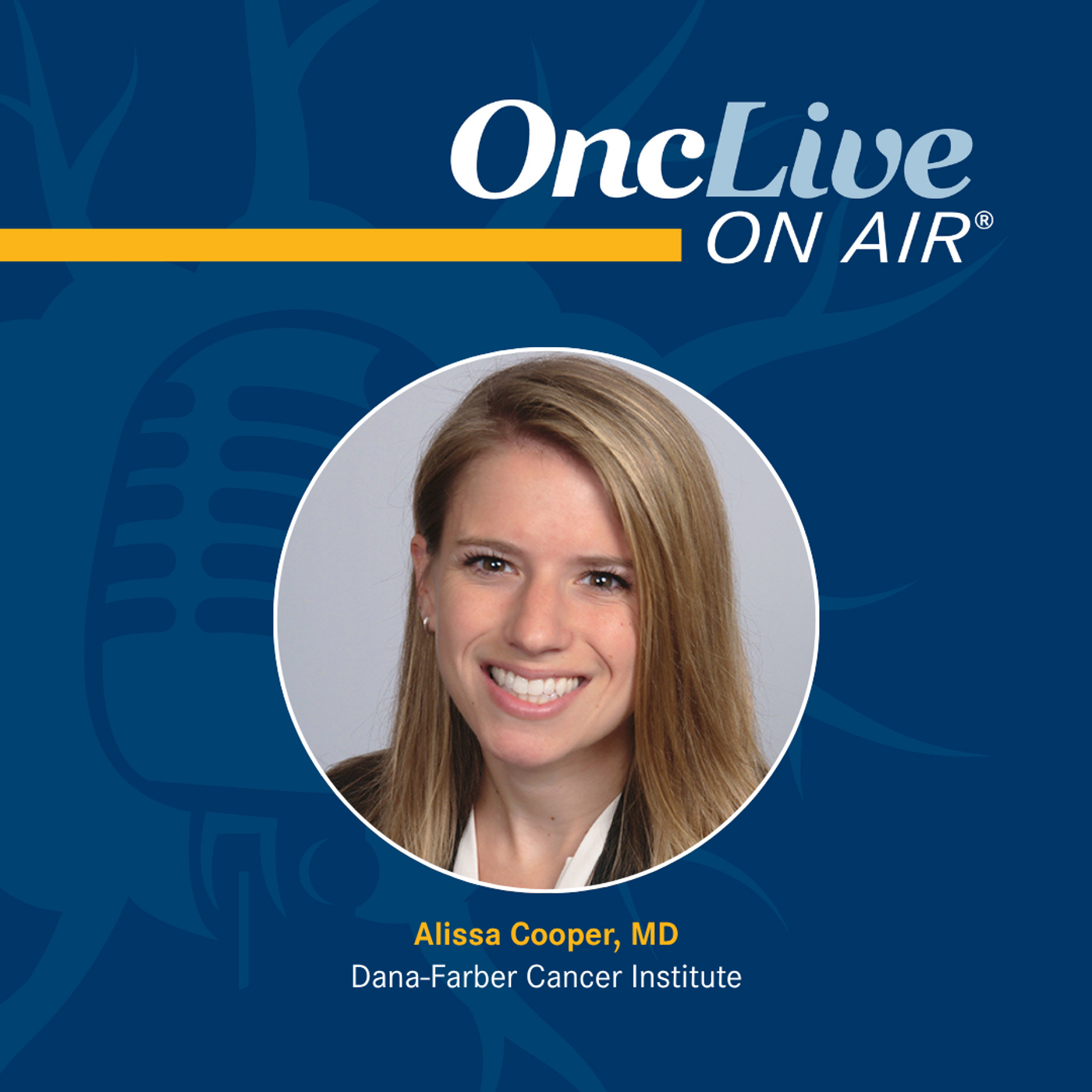
For acutely ill patients with strong clinical suspicion of SCLC, delaying treatment for biopsy confirmation can mean losing the window for effective intervention. Initiating chemotherapy in the hospital based on clinical presentation is a critical, potentially life-saving measure.
The necessary delays for screening, eligibility, and logistical setup for clinical trials and novel agents like tarlatamab can take weeks. This makes them unsuitable for patients with rapid, aggressive disease progression, forcing clinicians to rely on older, faster-acting cytotoxic therapies instead.
For very early-stage small cell lung cancer, surgical resection is an important and perhaps underutilized option. Beyond its therapeutic potential, surgery provides a definitive pathological diagnosis, which is crucial as some cases that appear to be small cell on biopsy may actually be other tumor types, like atypical carcinoid.
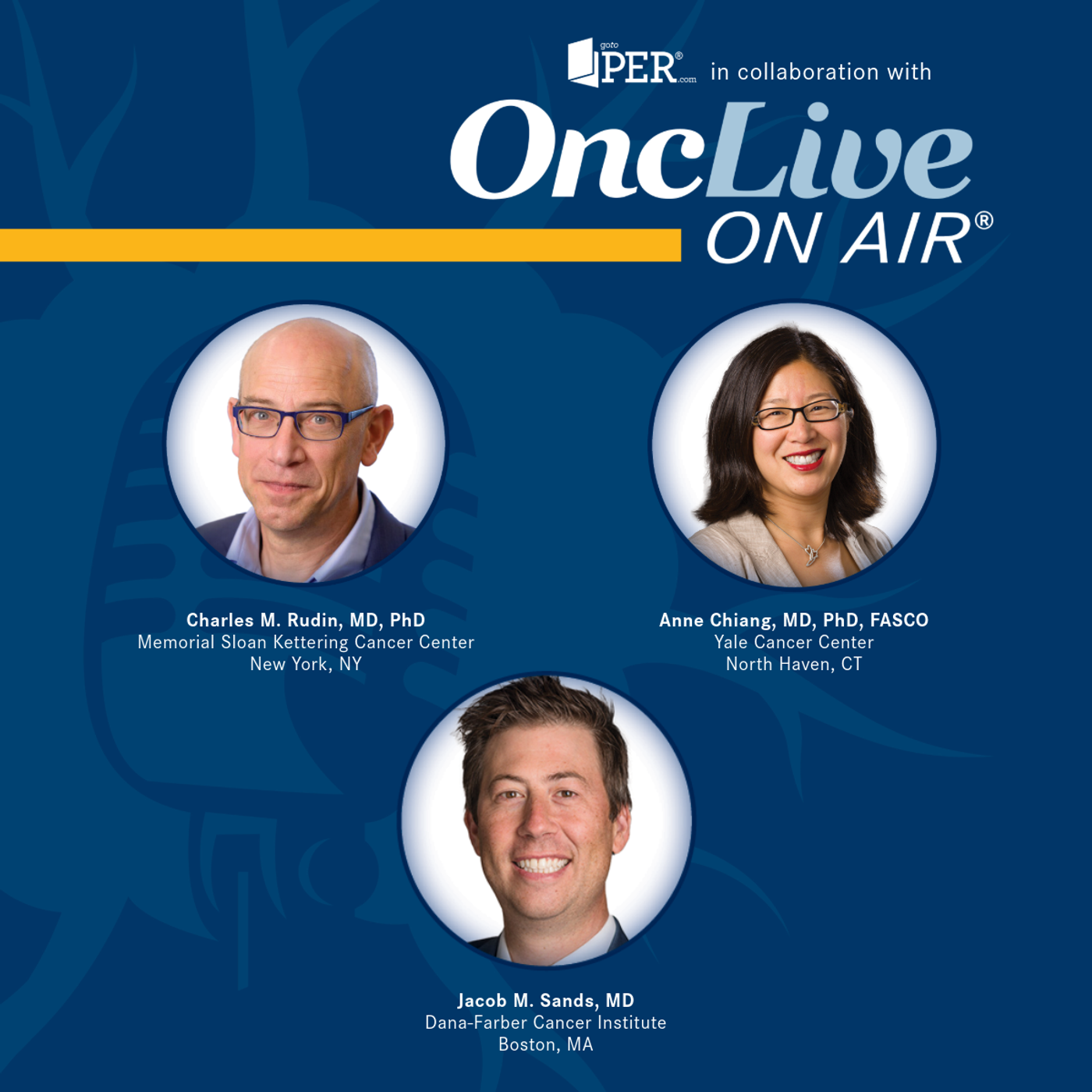
Recognizing the rapid progression of SCLC, modern clinical trials like PRISM are adopting pragmatic designs. They allow patients to begin initial chemotherapy cycles before official enrollment, ensuring that the need for immediate care does not disqualify them from accessing novel investigational therapies.