Get your free personalized podcast brief
We scan new podcasts and send you the top 5 insights daily.
The Innovative Genomics Institute is tackling rare diseases by creating a standardized platform. By keeping elements like the delivery vehicle and enzyme constant and only changing the guide RNA, they aim to create a repeatable 'bucket trial' process for developing hundreds of cures, not just one-offs.

Related Insights
The IGI simultaneously pursues two tracks: It targets monogenic diseases where cures are achievable now for immediate impact. In parallel, it invests in the foundational science needed to tackle highly complex diseases like Alzheimer's and solid tumors, building a portfolio for the long term.
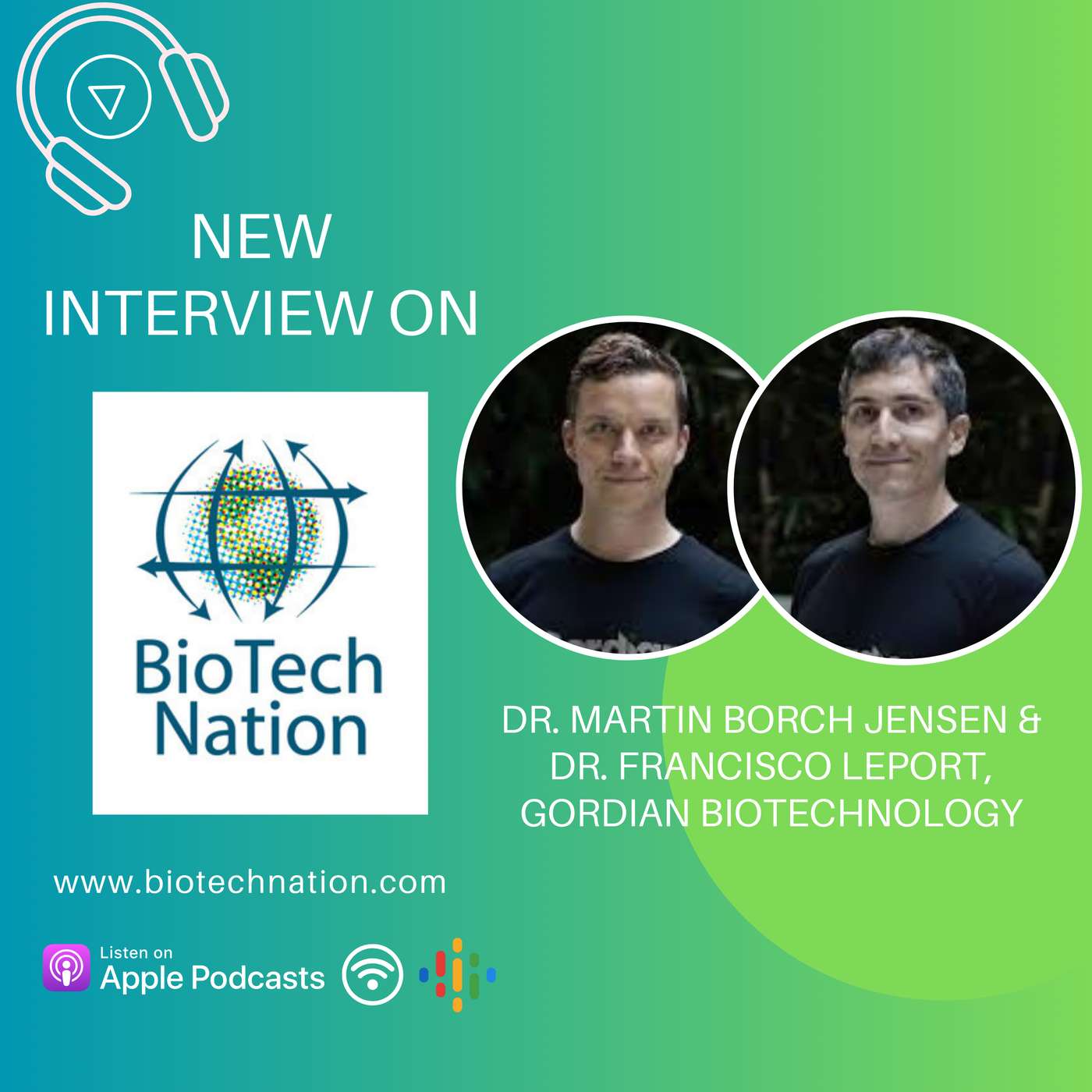
Gordian Biotechnology embeds unique genetic "barcodes" into hundreds of different gene therapies. This transforms gene therapy from a treatment modality into a high-throughput screening tool, allowing them to test many potential drugs simultaneously inside a single living animal and trace which ones worked.
To overcome regulatory hurdles for "N-of-1" medicines, researchers are using an "umbrella clinical trial" strategy. This approach keeps core components like the delivery system constant while only varying the patient-specific guide RNA, potentially allowing the FDA to approve the platform itself, not just a single drug.
For intractable diseases like Parkinson's, the IGI takes an 'end-to-end' approach: building better disease models, discovering root causes, and simultaneously exploring multiple treatment modalities like direct CRISPR edits, cell therapies, and microbiome interventions. This tackles the entire problem, not just one piece.
Tackling monumental challenges, like creating a biologic effective against 800+ HIV variants, is not a single-shot success. It requires multiple iterations on an advanced engineering platform. Each cycle of design, measurement, and learning progressively refines the molecule, making previously impossible therapeutic goals achievable.

Beyond clinical benefits like re-dosability, NGene's non-viral approach offers significant commercial advantages. The therapy is more cost-efficient to manufacture at scale and avoids the complex handling protocols of viral vectors. This design choice directly addresses major logistical and financial hurdles in the gene therapy market.

Gene editing pioneer David Liu is developing a platform that could treat multiple, unrelated genetic diseases with a single therapeutic. By editing tRNAs to overcome common nonsense mutations, one therapy could address a wide range of conditions, dramatically increasing scalability and reducing costs.
CZI set an audacious goal to cure all disease. When scientists deemed it impossible, CZI's follow-up question, "Why not?" revealed the true bottleneck wasn't funding individual projects, but a systemic lack of shared tools, which then became their core focus.

The future of biotech moves beyond single drugs. It lies in integrated systems where the 'platform is the product.' This model combines diagnostics, AI, and manufacturing to deliver personalized therapies like cancer vaccines. It breaks the traditional drug development paradigm by creating a generative, pan-indication capability rather than a single molecule.
Beam's platform strategy extends beyond diseases with one common mutation. They believe that as regulators accept the base editing platform's consistency, they can efficiently create customized therapies for diseases with numerous rare mutations. This shifts the model from one drug for many patients to a platform that rapidly generates many unique drugs.