Get your free personalized podcast brief
We scan new podcasts and send you the top 5 insights daily.
AI will do to white-collar work what the industrial revolution did to artisans. Complex knowledge work is broken down into simple, repeatable tasks that AI orchestrates. Humans become replaceable cogs in the system, performing the simple grunt work that machines can't yet do, fitting into the machine's process rather than the other way around.

Related Insights
Taylorism involved studying expert workers to codify their craft into a science owned and controlled by management. Today's AI achieves a similar end by training on expert data, concentrating knowledge and power with capital owners while devaluing individual artisan skills.
AI poses a greater risk to white-collar jobs that involve executing directions without creative or strategic input (e.g., an analyst told exactly what to do). Blue-collar, physical jobs like electricians are safer for now. The key to survival is shifting from rote execution to strategic thinking.

The fundamental economic shift is not just job automation but an inversion of roles. AI, as pure intelligence, will become the employer, hiring humans as contractors for physical tasks it cannot perform, like visiting a warehouse or collecting brochures. Intelligence becomes a cloud commodity, while physical presence becomes the service.
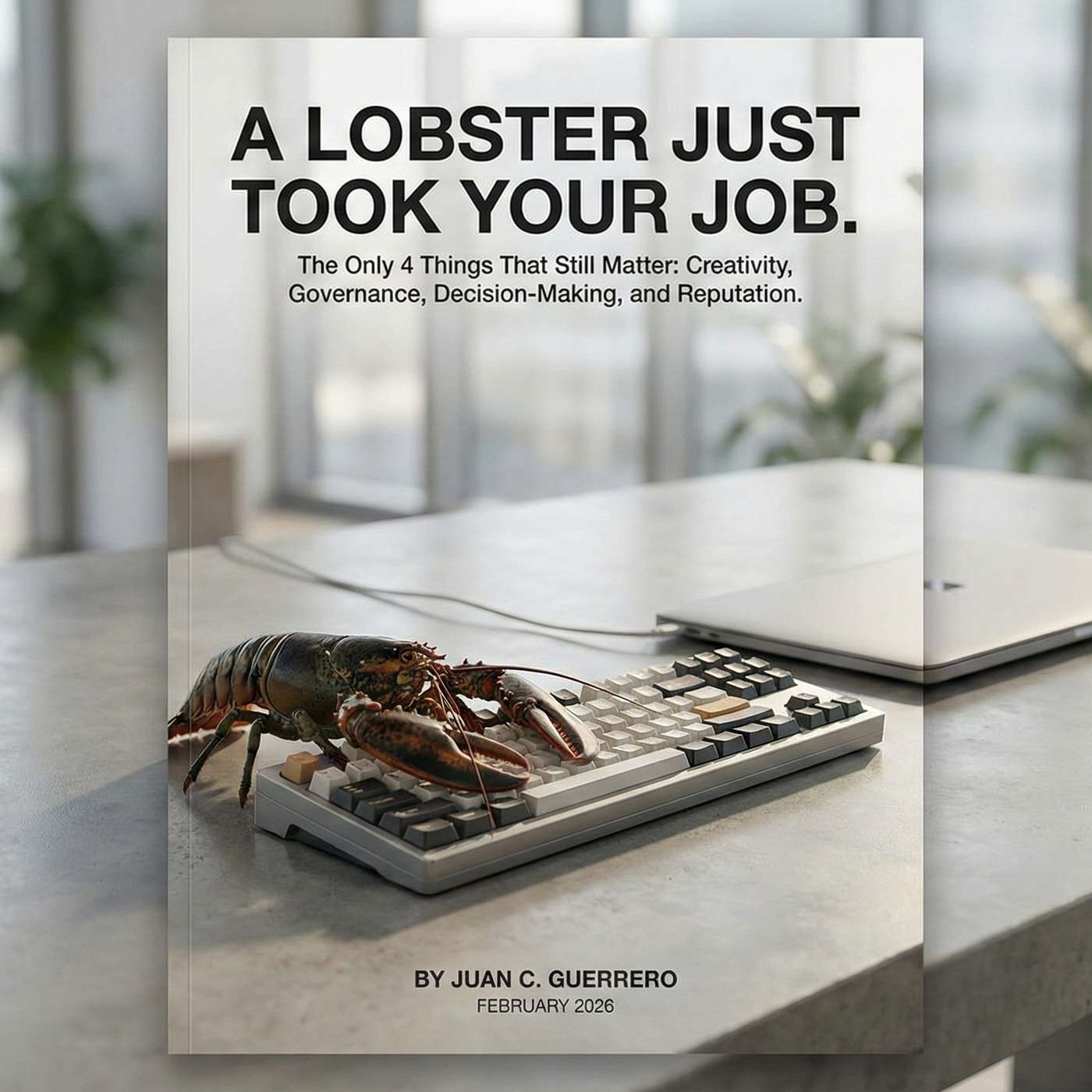
Microsoft AI's CEO clarifies his prediction that AI will automate white-collar 'tasks'—like drafting emails or PowerPoints—rather than entire 'jobs'. This distinction, rooted in labor economics, suggests professionals will become more efficient and focus on higher-value creative and judgment work, not face immediate obsolescence.

Excel didn't replace spreadsheet workers; it turned almost every office role into a spreadsheet job. Similarly, AI tools won't just automate tasks but will become integral to most knowledge work, making AI proficiency a universal and required competency.

Historically, technological advancements primarily displaced blue-collar workers first. The current AI revolution is unique because its most immediate and realized disruptions are targeting white-collar, knowledge-based roles, breaking a long-standing pattern of technological impact on the labor market.

The "pyramid replacement" theory posits that AI will first make junior analyst and other entry-level positions obsolete. As AI becomes more agentic, it will climb the corporate ladder, systematically replacing roles from the base of the pyramid upwards.

Kara Swisher argues that AI will eliminate white-collar jobs like accounting and law before it replaces hands-on roles like nursing or plumbing. She urges professionals in digitized industries to proactively learn and integrate AI as a tool to augment their skills and avoid becoming obsolete.

The AI narrative should shift from job replacement to labor abstraction. AI automates menial work (e.g., a banking analyst moving logos) to free up humans for higher-value, more fulfilling tasks that require judgment and storytelling, ultimately increasing overall productivity and skill.

Contrary to the popular narrative, AI is not yet a primary driver of white-collar layoffs. Instead of eliminating roles, it's changing the nature of work within them. For example, analysts now spend time on different, higher-value activities rather than manual tasks, suggesting a shift in job content rather than a reduction in headcount.
