Get your free personalized podcast brief
We scan new podcasts and send you the top 5 insights daily.
To compete with academia for talent, George Merck's drug program adopted a radical policy of letting its chemists publish their research. Advised by Alfred Newton Richards, this transformed industrial chemistry from a career of obscurity into an attractive alternative, making it easier to recruit top minds like Max Tischler.

Related Insights
Josh Boger, founder of biotech firm Vertex, was the star student of Max Tischler after Tischler retired from Merck. Tischler, who led penicillin and vitamin synthesis at Merck, became Boger's "father in science," creating a direct innovation lineage from the 20th-century pharmaceutical giant to a 21st-century biotech powerhouse.
Early-career professionals should join large pharma companies to learn drug development correctly. These organizations provide the massive scale, resources, and established processes that smaller companies lack, offering an unparalleled educational foundation for a career in the industry.

The success of enlicitide wasn't a single discovery but was built on a generation's worth of investment in biocatalysis at Merck, starting in the 90s. This demonstrates that world-changing innovation is a slow, consistent build-up of incremental learnings from prior projects, not a sudden eureka moment.

Dr. Phil Low created a powerful feedback loop for commercialization by focusing 90% of his time on academic research and hiring experts to run his companies. He then used grants from those companies to fund his university lab, giving the companies first-refusal rights on any resulting patents, creating a direct innovation pipeline.

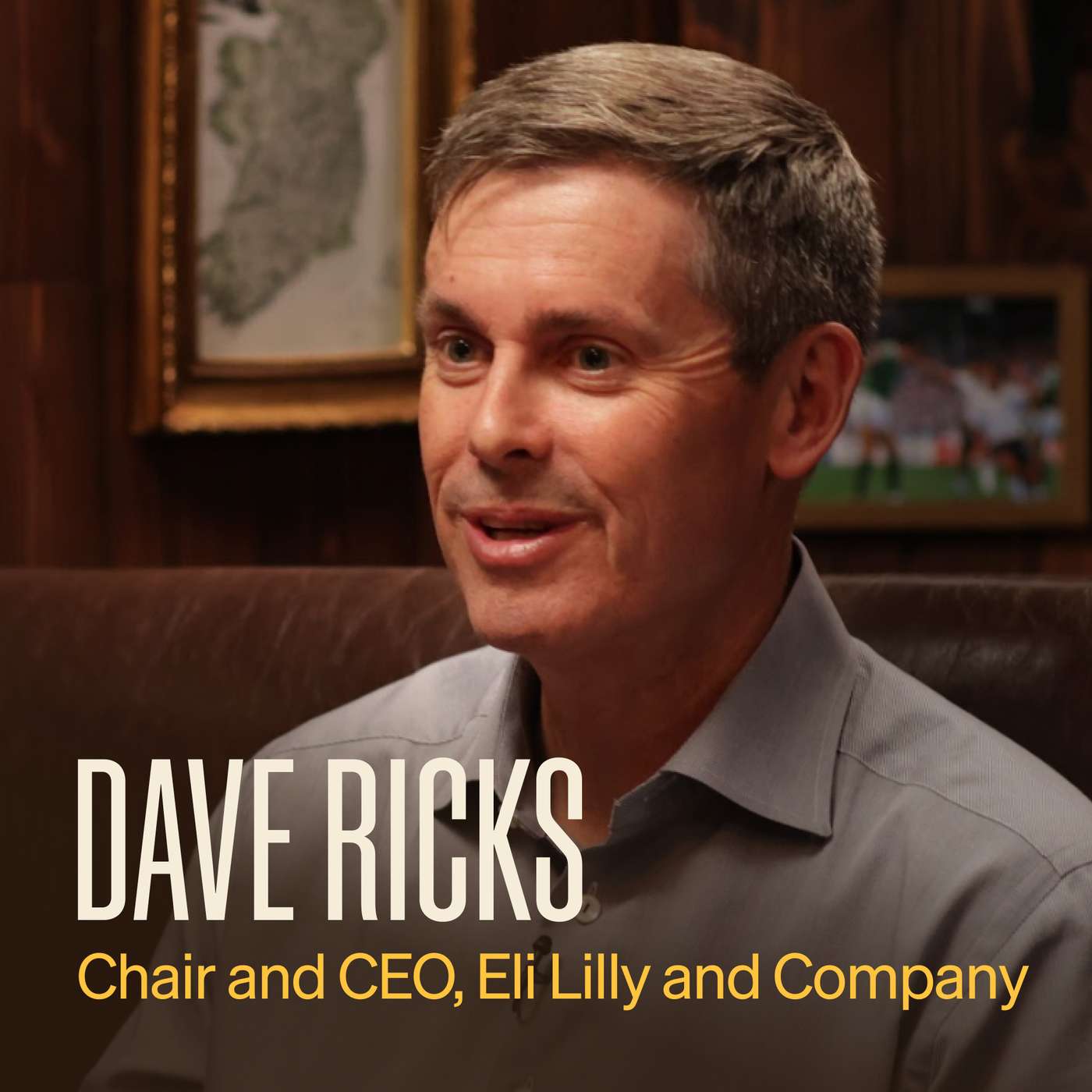
A significant number of Eli Lilly's compelling inventions came from unsanctioned projects. The company intentionally provides budget flexibility and avoids micromanagement at its R&D sites, allowing scientists to pursue their curiosity.
The blockbuster drug bivalirudin was discovered as an unsanctioned "20% time" project at Biogen. This policy, allowing scientists to explore personal interests, demonstrates how institutionalizing freedom for undirected research can lead to major, company-defining breakthroughs that would otherwise be missed in a rigid R&D structure.

Jack Elands' transition from academia to industry was driven by a desire to be useful. By solving internal problems others ignored, like testing overlooked chemical compounds, he found a practical path to adding value, which organically led to a broader business perspective and a career in biotech.

Responding to Wall Street pressure to de-risk, large pharmaceutical firms cut internal early-stage research. This led to an exodus of talent and the rise of contract research organizations (CROs), creating an infrastructure that, like cloud computing for tech, lowered the barrier for new biotech startups.

After years of competing to develop a rubella vaccine, Maurice Hilleman of Merck called his rival, Dr. Stanley Plotkin, to request his superior RA273 strain. This act of conceding scientific defeat for the sake of public health turned a competitor's innovation into the global standard.

Vannevar Bush's pivotal idea was a system where the federal government funds research, but the work is executed in private university and industrial labs. This decentralized model harnessed existing ingenuity, contrasting with a model where scientists worked directly for the military or government-run institutions.