Get your free personalized podcast brief
We scan new podcasts and send you the top 5 insights daily.
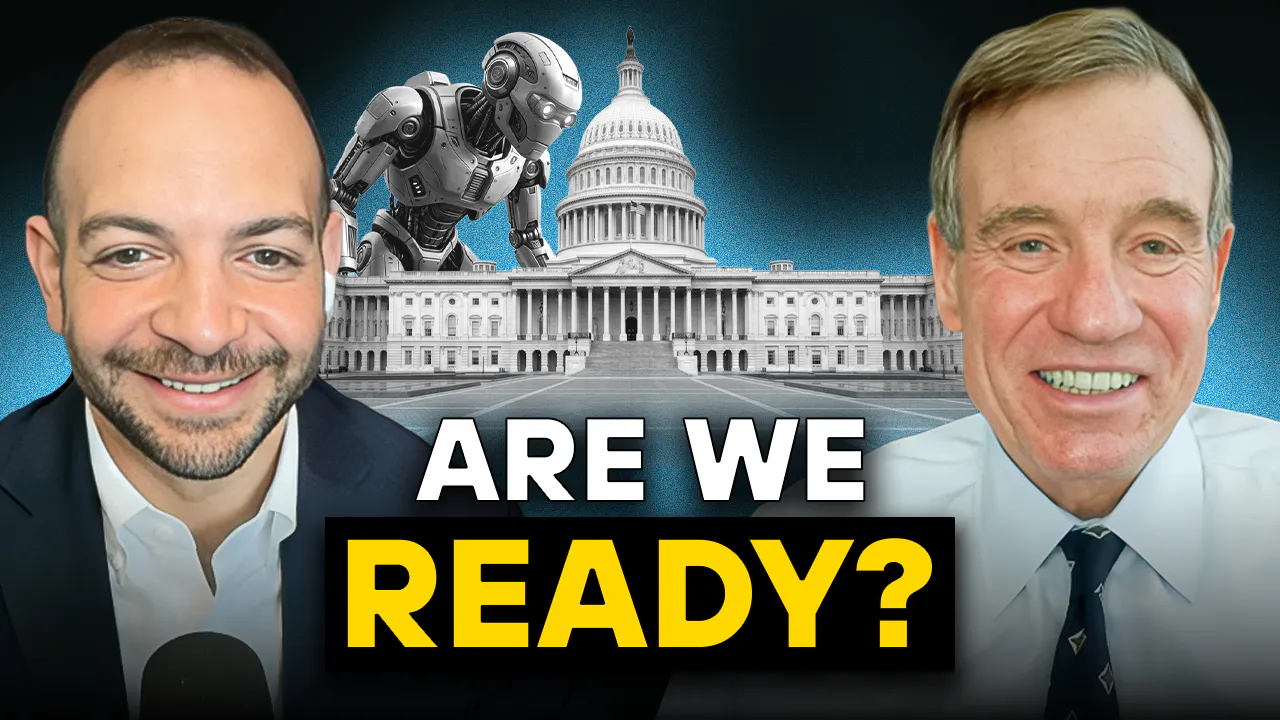
Senator Warner identifies a telling shift in societal fears. He notes conversations among parents have evolved from worrying about globalization, to social media's psychological effects, to a new terror that their children, despite doing everything right, won't have jobs because of AI. This reflects a major political shift.
Related Insights
The public conversation about AI focuses on job loss, which generates immense fear. This unaddressed fear leads to political polarization and antisocial behavior, or "social ripples." These emotional reactions pose a greater societal threat than the technological disruption itself.

Many people's negative opinions on AI-generated content stem from a deep-seated fear of their jobs becoming obsolete. This emotional reaction will fade as AI content becomes indistinguishable from human-created content, making the current debate a temporary, fear-based phenomenon.

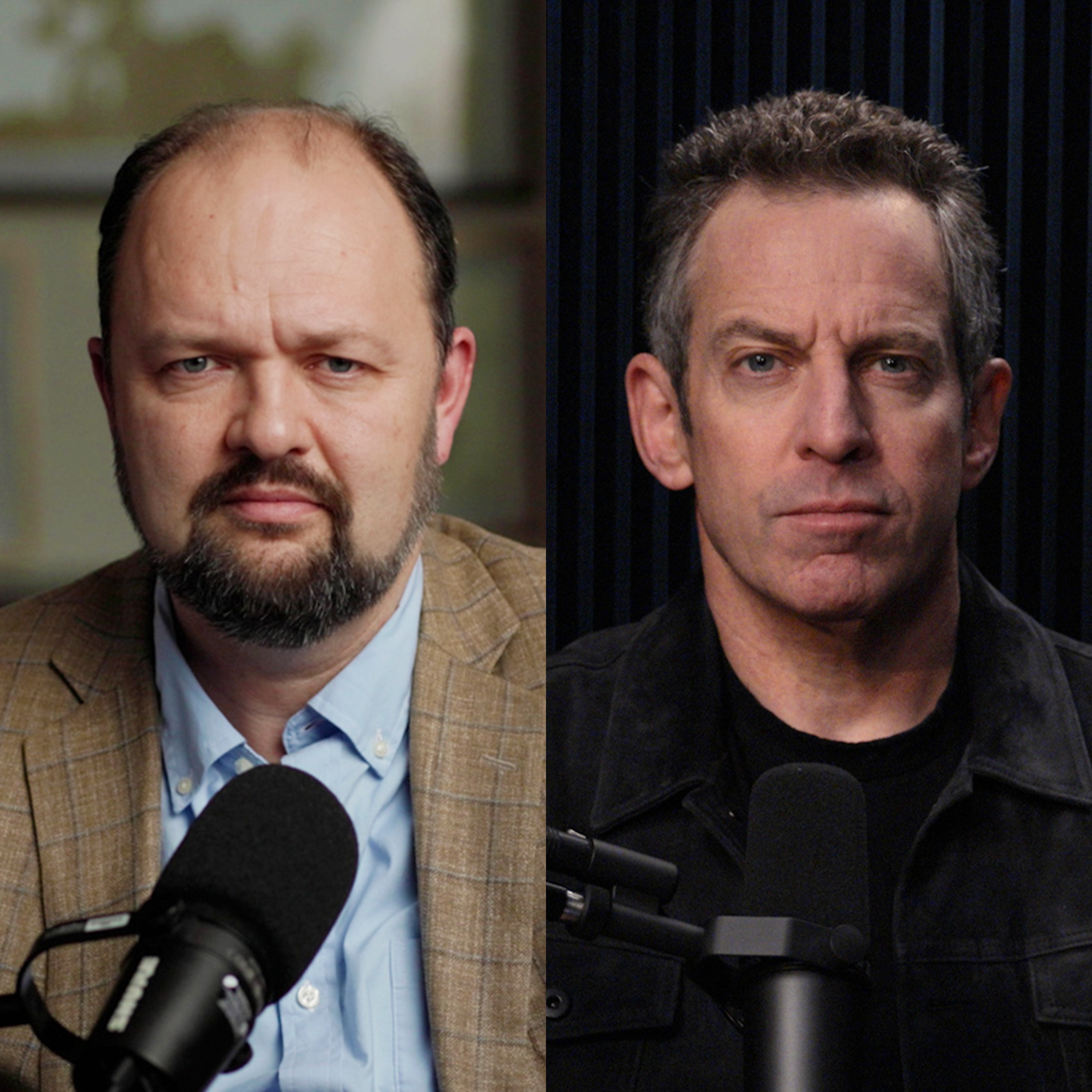
New York Times columnist Ross Douthat argues the root of modern anxiety isn't just policy, but a growing sense that digital culture and AI are making humans obsolete. This feeling fuels unhappiness, loneliness, and demographic decline, which in turn manifests as political polarization.
The perceived instability of tech and corporate jobs due to AI is driving a re-evaluation of career security. Parents and Gen Z now see skilled trades as a viable path to entrepreneurship, believing a "trade entrepreneur" has more long-term security than a typical tech employee.

Influencers from opposite ends of the political spectrum are finding common ground in their warnings about AI's potential to destroy jobs and creative fields. This unusual consensus suggests AI is becoming a powerful, non-traditional wedge issue that could reshape political alliances and public discourse.

Alex Karp highlights a political paradox: the highly educated, white-collar professionals who form a core Democratic constituency are the most vulnerable to job displacement from AI technologies developed by companies they often politically support. This creates a future political conflict.

A bipartisan legislative effort is being driven by stark warnings that AI will eliminate entry-level roles. Senator Mark Warner predicts unemployment for recent college graduates could surge from 9% to 25% "very shortly," highlighting the immediate economic threat to the youngest workforce segment.

While early media coverage focused on doomsday scenarios, the primary drivers of broad public skepticism are far more immediate. Concerns about white-collar job loss and the devaluation of human art are fueling the anti-AI movement much more effectively than abstract fears of superintelligence.
Senator Mark Warner reveals that AI CEOs privately tell him they are drastically cutting first-year hires and interns due to AI. This contradicts their more optimistic public statements, suggesting they are "freaked out about freaking out people" and intentionally managing public perception to avoid backlash.
Research shows the public is deeply anxious about AI's impact on jobs and wages. When polled, policies that fund job creation and benefits decisively beat those prioritizing innovation to 'outcompete China,' even among conservative voters. This economic anxiety, not abstract risk, is the primary driver of public opinion on AI regulation.