Get your free personalized podcast brief
We scan new podcasts and send you the top 5 insights daily.
Unlike Western-style alliances, China’s numerous “strategic partnerships” are largely symbolic vehicles for securing economic interests, such as cheap oil from Iran. They lack mutual defense obligations, making North Korea the sole country with which China holds a formal defense treaty.

Related Insights
The recent conflicts in Iran and Venezuela can be framed as a covert economic war against China. Since China buys 90% of Iran's oil and relies on Venezuela's supply, US actions disrupting these nations directly target China's energy security and serve as a tool of economic containment.

The United States' greatest strategic advantage over competitors like China is its vast ecosystem of over 50 wealthy, advanced, allied nations. China has only one treaty ally: North Korea. Weakening these alliances through punitive actions is a critical foreign policy error that erodes America's primary source of global strength.

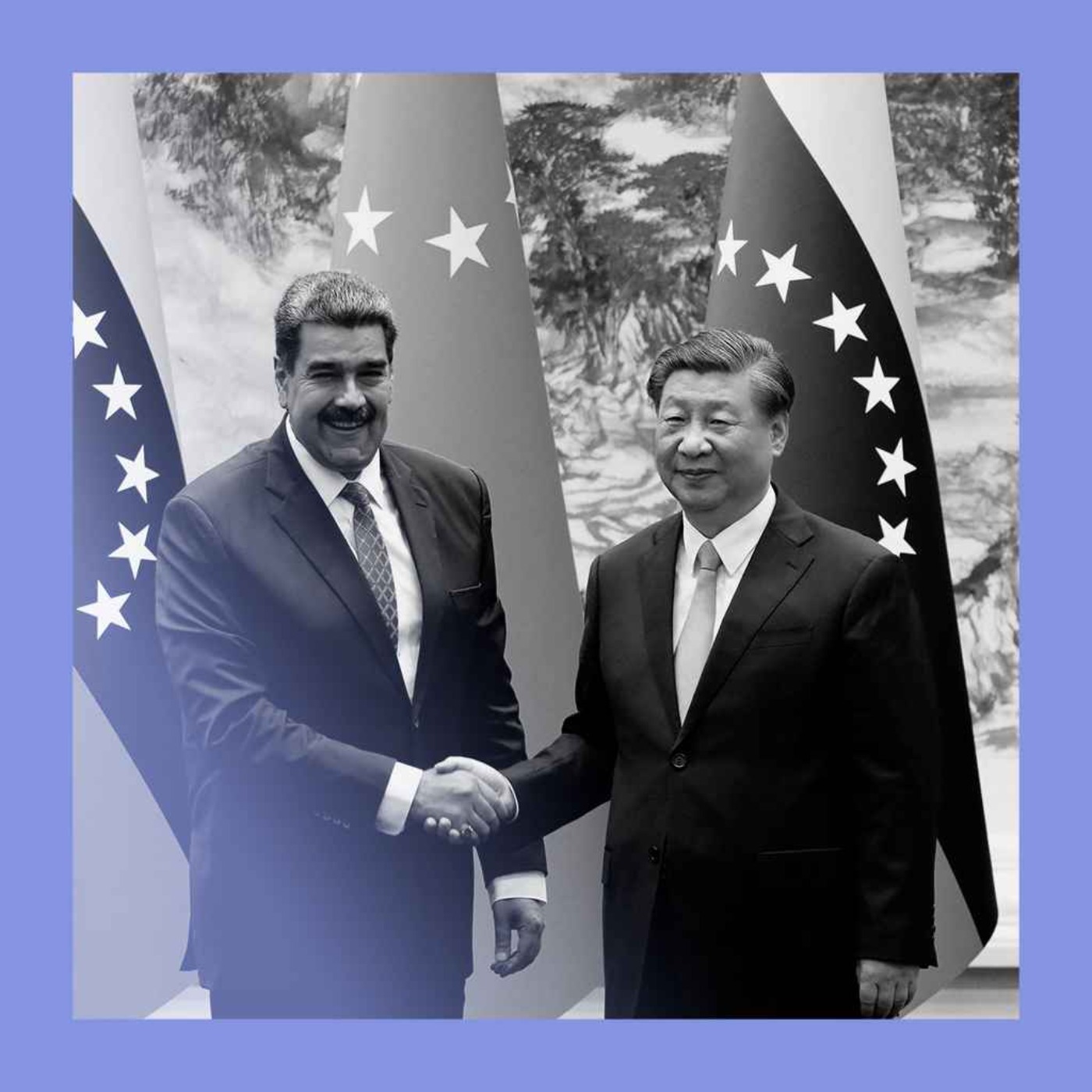
By offering only rhetorical support to its ally Venezuela, China reveals the practical limits of its global power. This inaction signals to other nations that a 'friendship' with China does not guarantee robust intervention in a crisis, especially outside of its core strategic interests in Asia.
Despite rhetoric about a new global axis, the China-Iran relationship is highly asymmetric. Iran sells over 80% of its crude to China, but this is only about 10% of China's supply. This dependency gives China leverage to remain uninvested in Iran's political survival, viewing it as a useful but disposable partner.

China intentionally avoids costly political and military entanglements, even where it has significant energy interests. It allows rivals like the US to bear the costs of conflict, then pragmatically engages with whomever is in power for post-conflict reconstruction and economic opportunities, a "ruthlessly pragmatic" approach.
China embraces economic globalization, crediting it for lifting 800 million from poverty. However, it explicitly rejects the "militarized globalization" represented by security pacts like AUKUS or NATO expansion. This differentiates its approach from the Western model, which often intertwines economic integration with shared security and political values.

China is intentionally staying out of the military conflict between the U.S./Israel and Iran. Its primary goals are to safeguard commercial interests, ensure the flow of energy, and act as an observer, believing there are few gains and many dangers in direct military involvement.

Unlike the U.S., China avoids formal military alliances in the Middle East. It strategically maintains good relations with rival nations like Iran and Saudi Arabia simultaneously. This "tightrope" diplomacy allows China to protect its vast economic interests and position itself as a neutral mediator, without being drawn into regional conflicts.
China concentrates its diplomatic and military resources on regions crucial to its core interests—its immediate neighbors like Taiwan and Japan. This long-standing "periphery diplomacy" explains its choice to use economic leverage, rather than direct intervention, in more distant conflicts like Iran.
Despite relying on Iranian oil, China is avoiding strong support for Tehran to protect its oil supply through the Strait of Hormuz and prevent economic reprisals from the U.S. This pragmatic, transactional approach prioritizes economic stability over ideological or military alliances.