Get your free personalized podcast brief
We scan new podcasts and send you the top 5 insights daily.
Europe's capital market weakness is not a lack of money, but a deficit of experienced operators-turned-investors. The missing piece is the ecosystem of people who have scaled a company, exited, and can now reinvest their capital and practical, hard-won knowledge into the next generation of startups.

Related Insights
The huge funding gap for European biotech is structural. European institutional investors like pension funds allocate only 0.02% of their balance sheets to venture, compared to 2% in the US. This factor-of-100 difference creates a major hurdle for the ecosystem's ability to retain its champion companies.
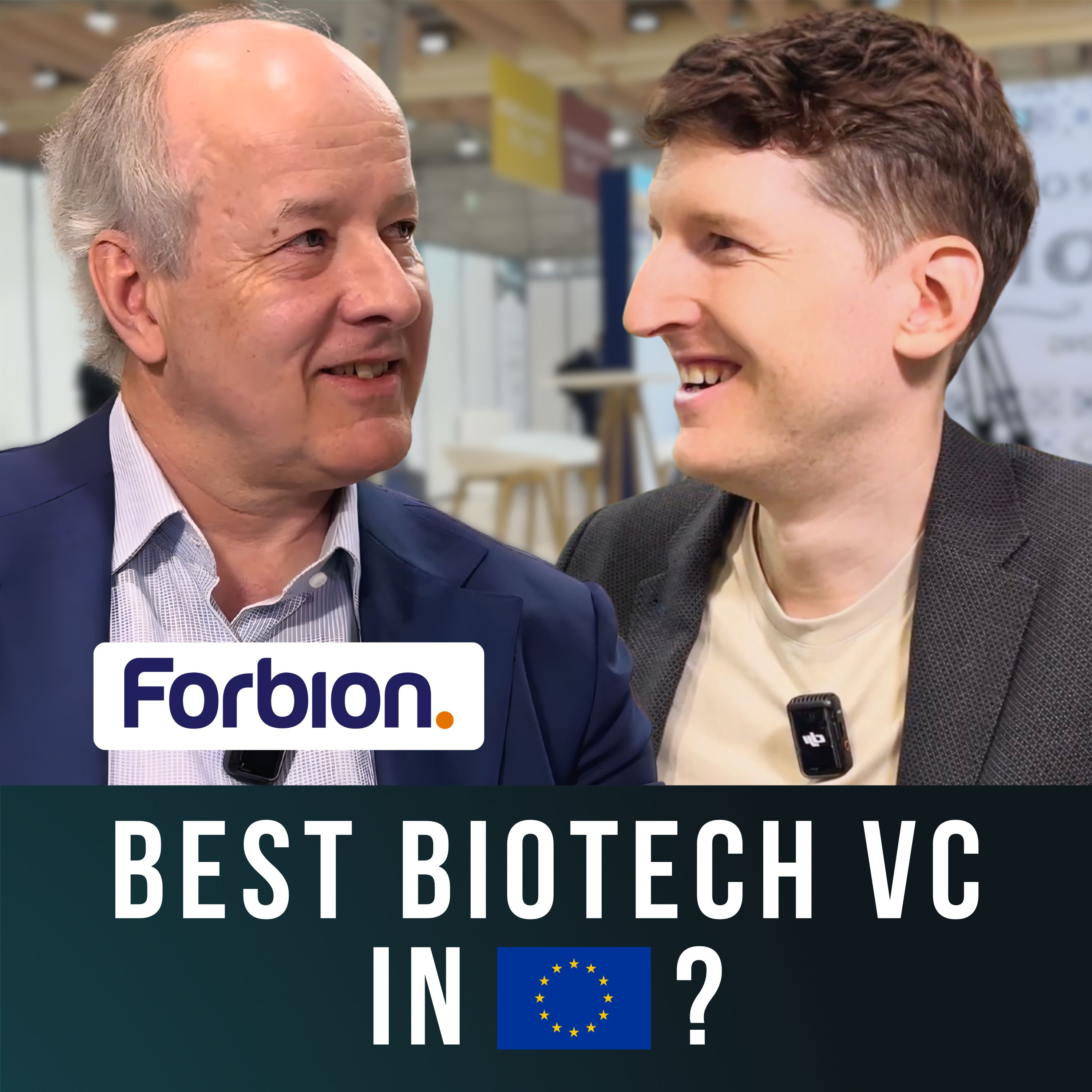
The expectation for venture capitalists has shifted. Founders no longer just want finance professionals; they demand investors who have direct operational experience and have been "in the trenches" of building a company. This change reflects a move towards more hands-on, value-add investing.

A key sign of Europe's tech maturation is the emergence of a 'flywheel effect,' long common in Silicon Valley. Founders and early employees from successes like Klarna and Spotify are now reinvesting their capital and expertise into the next generation of startups. This recycling of talent and money is a powerful accelerator for the entire ecosystem.

Europe generates scientific output and IP comparable to the US but fails to translate it into successful companies at the same rate. Key challenges include a lack of deep capital markets, a lower cultural risk appetite, and a smaller talent pool, pushing many promising European biotechs to seek funding and IPOs in the US.
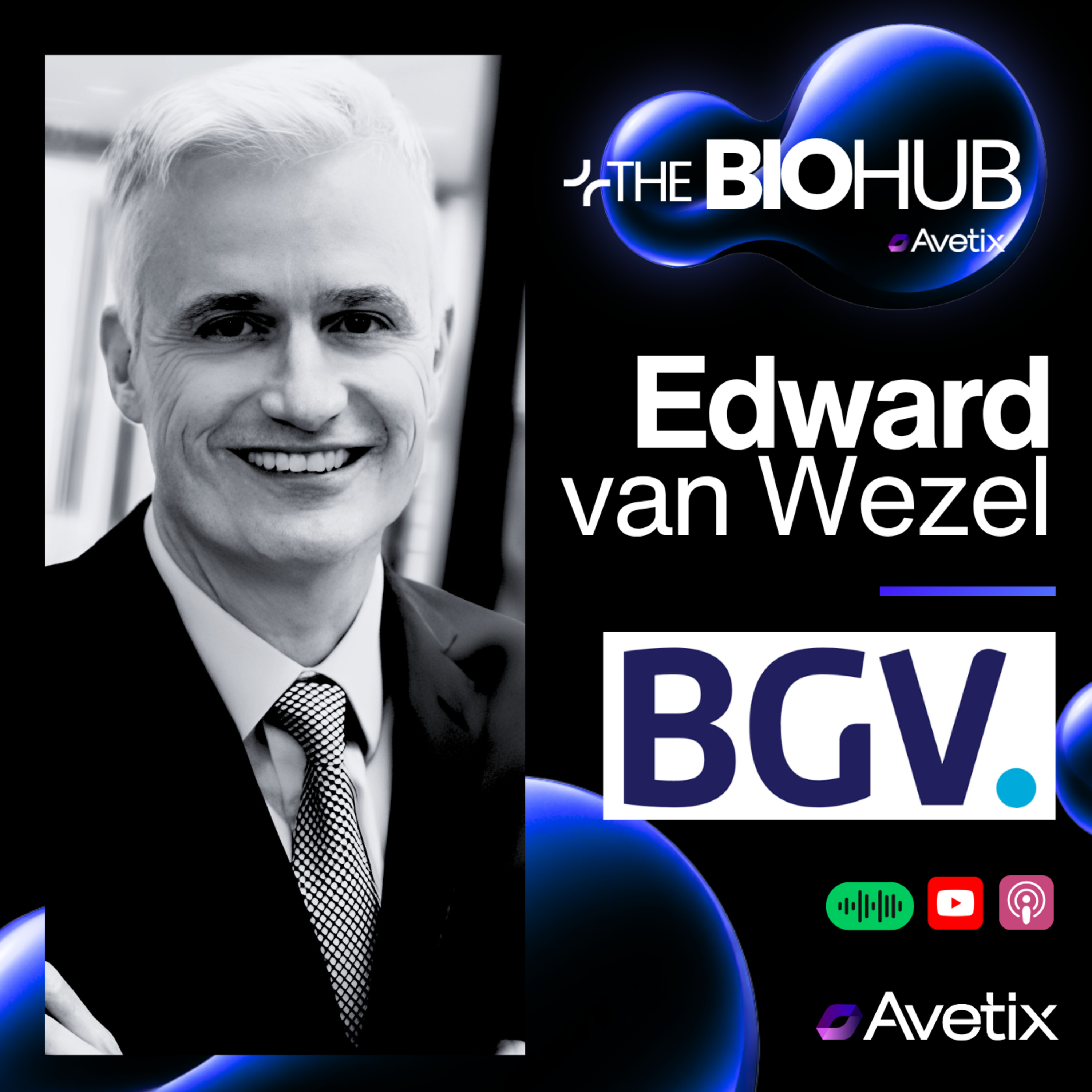
Unlike their US counterparts, European biotechs have less access to large venture funds. This forces a culture of extreme capital efficiency and discipline. This need to be "cleverer, smarter with less people and less money" is a defining feature and potential advantage of the European ecosystem.

With a massive increase in the types and availability of capital, money itself is less of a differentiator for growth investors. According to Eric Byunn, the competitive edge now lies in specialized knowledge, operational expertise, and the ability to foster a "cross-pollination" of ideas to help founders build their companies.

The prevalent narrative of Europe being over-regulated causes many US VCs to overlook it. This creates an investment arbitrage opportunity. For example, Zurich is producing world-class physics and quantum research but is dramatically undercapitalized, allowing investors to back top-tier talent at rational prices.

Europe has vibrant startup scenes, but its core challenge is the "scale-up" phase. Promising companies often relocate to the U.S. to access deeper venture capital markets and a larger, more unified customer base for international expansion.

Europe's strong science is often held back by a lack of serial entrepreneurs, difficulty in raising follow-on funding, and a localized competitive view. Curie.Bio’s model directly counters these issues by providing an experienced drug-making team, a clear funding path, and an embedded global market perspective.

While overall venture capital investment in European biotech is rising, a critical gap remains at the earliest stage of company formation. According to the speaker, founders still find it very difficult to secure the initial "first capital" needed to get started, even as later-stage funding has grown tremendously in the region.