Get your free personalized podcast brief
We scan new podcasts and send you the top 5 insights daily.
The breakthrough for passing SB 53 came after its controversial predecessor was vetoed. A research-based report from Drs. Fei-Fei Li, Tino Cuellar, and Jennifer Chase provided a credible, non-political foundation for the new bill, allowing policymakers to navigate complex tradeoffs and overcome political gridlock.

Related Insights
Far from creating chaos, recent AI laws in states like California and New York are functioning as intended policy laboratories. By experimenting with concepts like independent testing and risk-based scoping, they are reducing uncertainty and creating a foundation for a more informed and effective federal AI framework.
California's AI law contains a novel provision that empowers state agencies to defer to federal requirements if a comparable system is ever created. This statutory tool turns political rhetoric into law, effectively daring the federal government to act while allowing the state to proceed in the interim.
With federal AI legislation stalled, states like Illinois, California, and New York are passing their own AI safety laws. Leading AI labs are endorsing these bills, recognizing that this state-level patchwork is effectively becoming the national standard for AI governance in the U.S.

The tech industry's shift from strong opposition to neutrality on California's AI bill was a strategic calculation. They preferred negotiating one workable law that could serve as a national model, viewing it as better than fighting 50 different, potentially worse, legislative battles across the country.
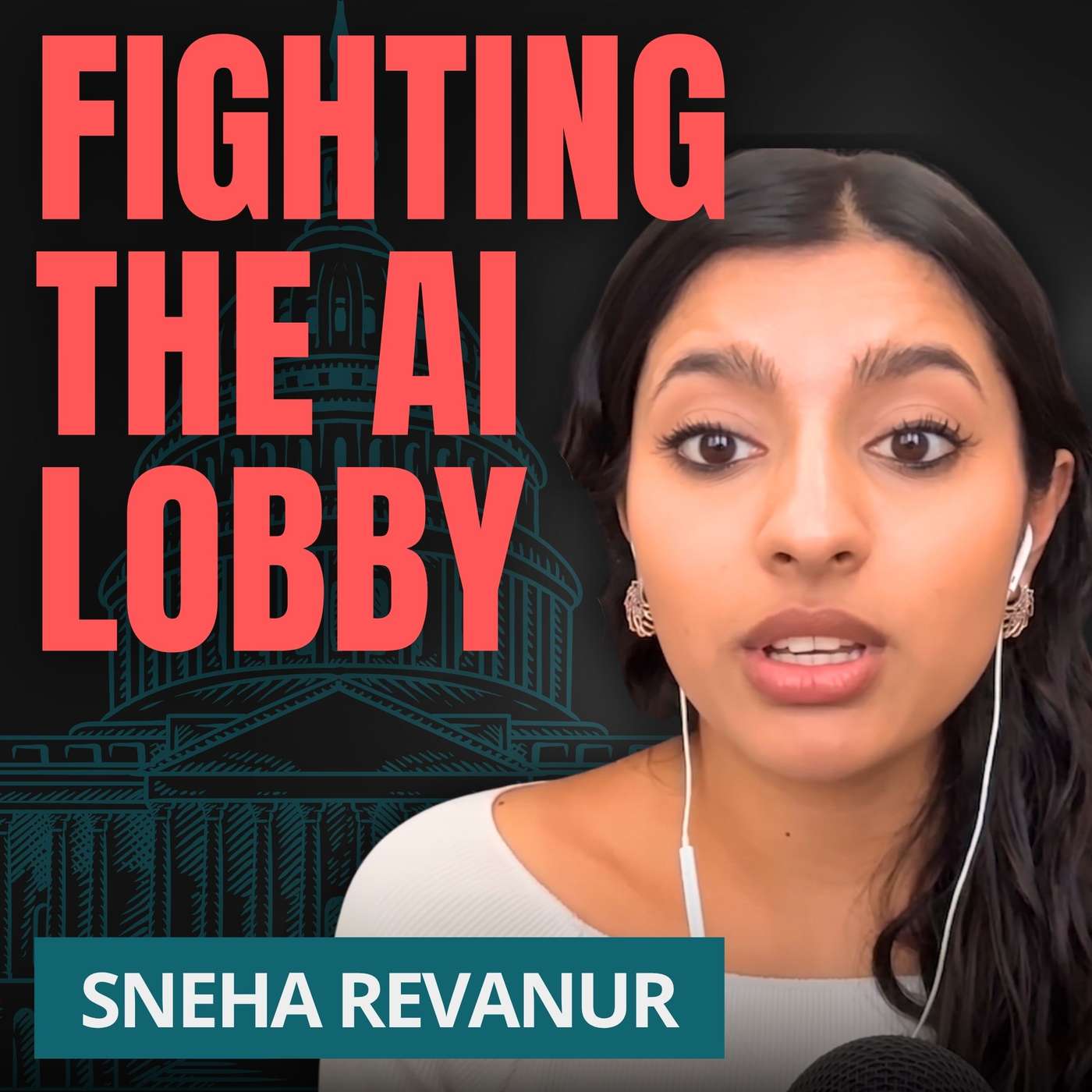
Contrary to the belief that advocates are always "outside the room," California's legislative process allows organizations to act as co-sponsors on bills. This unique feature gave Encode AI an inside role in shaping AI safety laws, from drafting and negotiating to influencing implementation.
In the absence of federal leadership, Governor Newsom's administration has pushed through legislation to regulate large language and frontier AI models, focusing on transparency and safety. This positions California, home to the AI industry, as the primary rule-maker for a technology its own founders call potentially dangerous.

The 2024 veto of California's first major AI bill was not an anti-regulation move. The governor's veto letter explicitly stated the problem needed solving, but the proposed solutions were premature. This signaled to lawmakers and the tech industry that a more refined, evidence-based bill (which became SB 53) was expected.
The economic and societal impact of AI is forcing politicians across the aisle to collaborate. From co-sponsoring legislation on AI-driven job loss to debating state vs. federal regulation, AI is creating common ground for lawmakers who would otherwise rarely work together.

Facing a federal vacuum on AI policy, major players like OpenAI and Google are surprisingly endorsing state-level regulations in California and New York. This counter-intuitive move serves two purposes: it creates a manageable, de facto national standard they can influence, and it pressures a gridlocked Congress to finally act to avoid a messy patchwork of state laws.

Encode's ambitious SB1047 bill was vetoed, but the effort wasn't a failure. It primed the legislature, built a powerful coalition, and put AI regulation on the governor's radar. This "delayed payoff" from the initial failure was essential for passing the subsequent, successful SB53 bill.