Get your free personalized podcast brief
We scan new podcasts and send you the top 5 insights daily.
The 'Cynicism Tax' is the massive opportunity cost of defaulting to 'no' on a venture without proper evaluation. A single missed 'yes' on a high-upside opportunity, like passing on an early Facebook investment, can financially outweigh the cumulative savings from a lifetime of cautious 'no's'.

Related Insights
Success brings knowledge, but it also creates a bias against trying unconventional ideas. Early-stage entrepreneurs are "too dumb to know it was dumb," allowing them to take random shots with high upside. Experienced founders often filter these out, potentially missing breakthroughs, fun, and valuable memories.

The cost of inaction can be immense. One speaker's "worst investment" wasn't a loss but passing on three startups in his direct area of expertise—Polymarket, Calshee, and Whatnot. Despite being an early user and having direct contact with the founders, he failed to invest, missing out on multi-billion dollar outcomes.
An investor's best career P&L winners are not immediate yeses. They often involve an initial pass by either the investor or the company. This shows that timing and building relationships over multiple rounds can be more crucial than a single early-stage decision, as a 'missed round' isn't a 'missed company'.

In venture capital, the potential return from a single massive winner (1000x) is so asymmetric that it dwarfs the cost of multiple failures (1x loss). This reality dictates that the primary focus should be on identifying and capturing huge winners, making the failure to invest in one a far greater error than investing in a company that goes to zero.

The willingness of investors to back unproven founders isn't just optimism. It's a calculated response to the immense pain of 'Category II errors'—passing on a company like Google. This fear of missing a massive return cultivates extreme open-mindedness, which manifests as a high-trust culture.
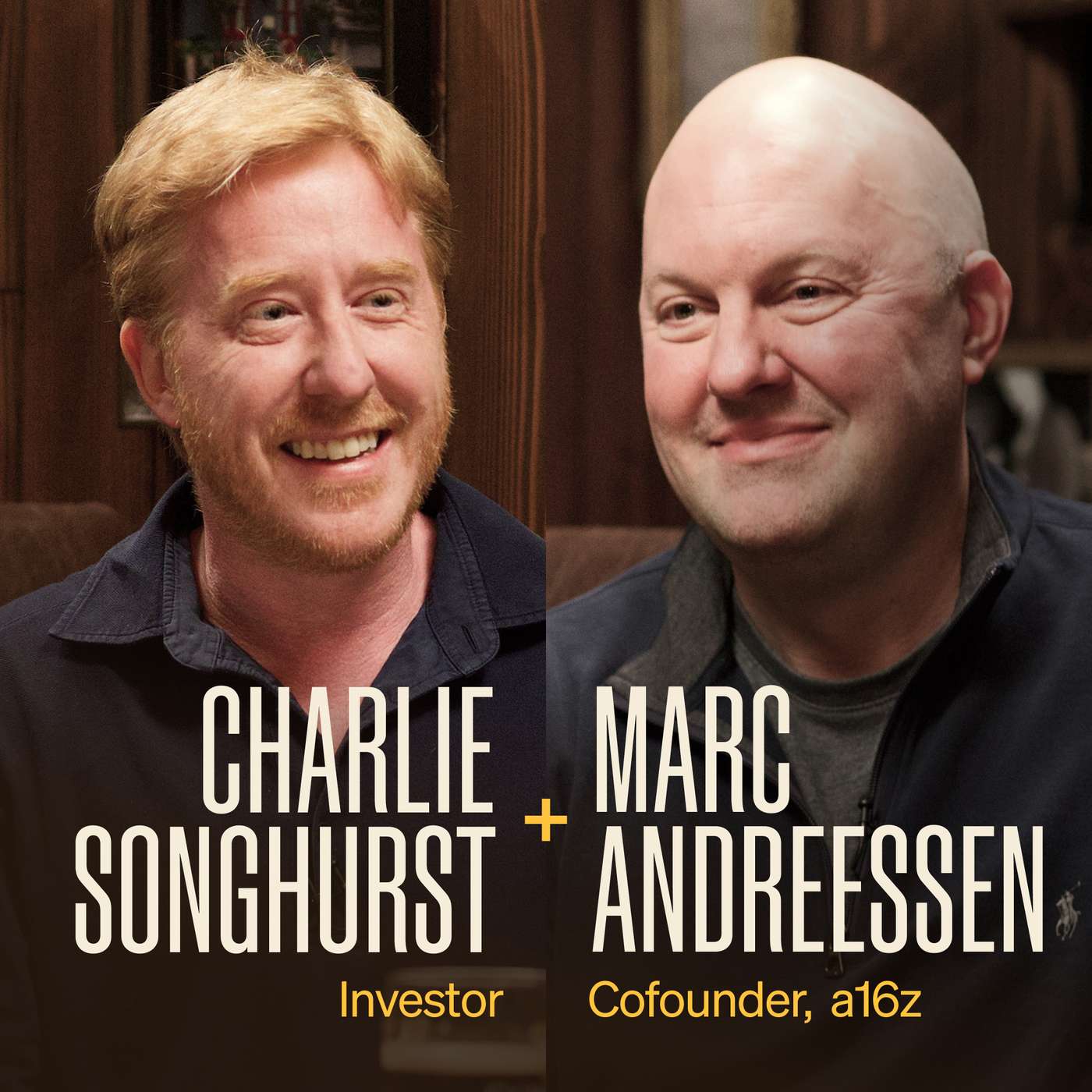
Bessemer Venture Partners publicly lists massive companies it passed on to foster a learning culture. This highlights their philosophy that the opportunity cost of missing a transformative company (a crime of omission) is far more damaging than investing in one that fails (a crime of commission).

Investors naturally develop 'scar tissue' from past failures, leading to increased cynicism that can prevent them from backing ambitious, non-obvious ideas. The best investors intentionally fight this bias by balancing their experience with a 'beginner's mind.' While pure naivete is dangerous, so is excessive cynicism, and finding the intersection between the two is critical for venture success.
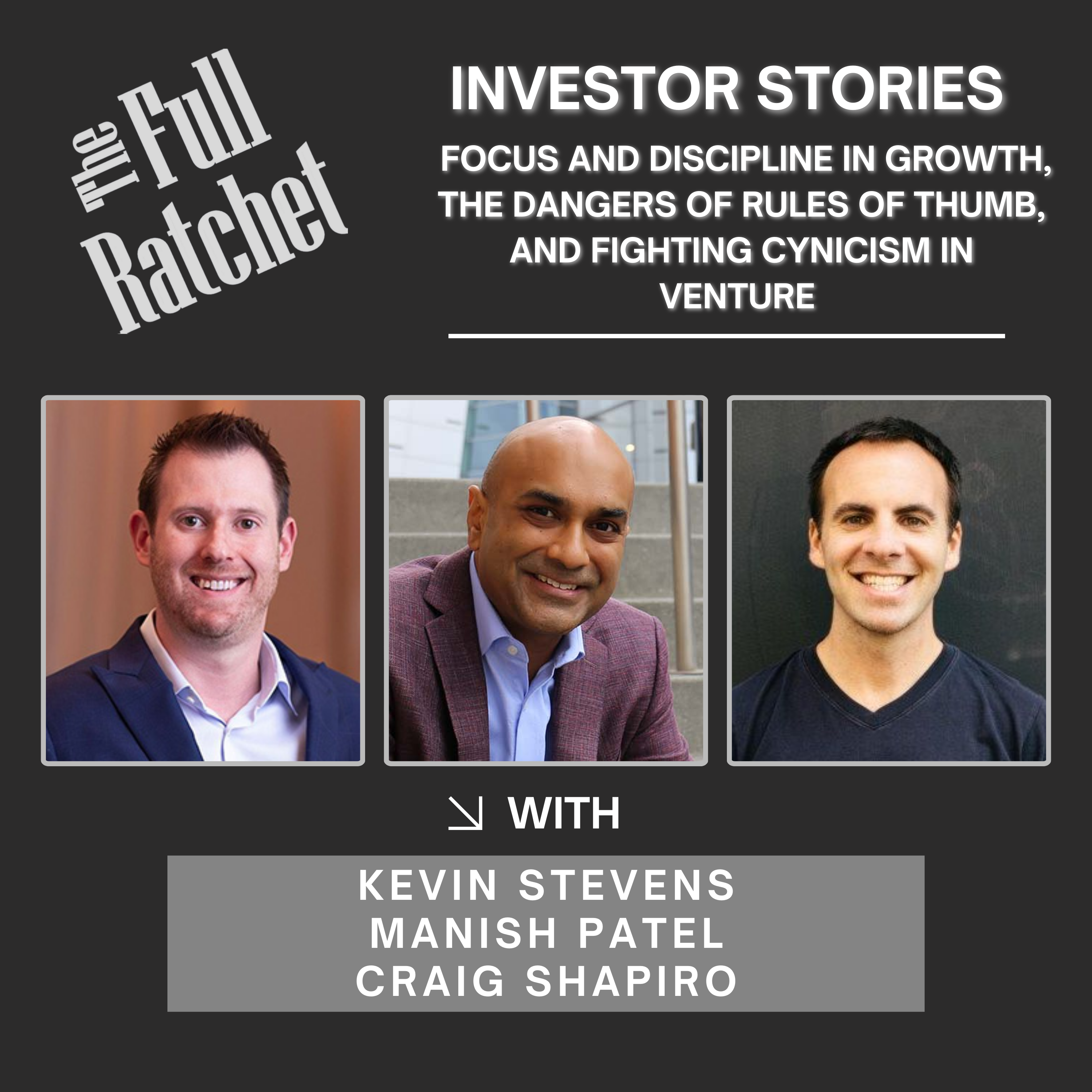
DHH explains the poker concept of "resulting"—judging a decision solely by its outcome. He argues his 2010 analysis that Facebook was overvalued was correct based on their lack of a monetization strategy at the time. The decision process was sound, even if the outcome proved him wrong.
The worst emotional outcome is not losing on a venture you pursued. It's the profound, lasting regret of letting fear override your conviction, saying 'no' to something you believed in, and then watching it succeed without you. This emotional asymmetry is a core reason to act.
When deciding whether to leave a stable job to start Amazon, Jeff Bezos asked which choice he would regret more at age 80. People are far more haunted by the opportunities they didn't take than the ones they took that failed. This is a powerful mental model for making bold career leaps.
