Get your free personalized podcast brief
We scan new podcasts and send you the top 5 insights daily.
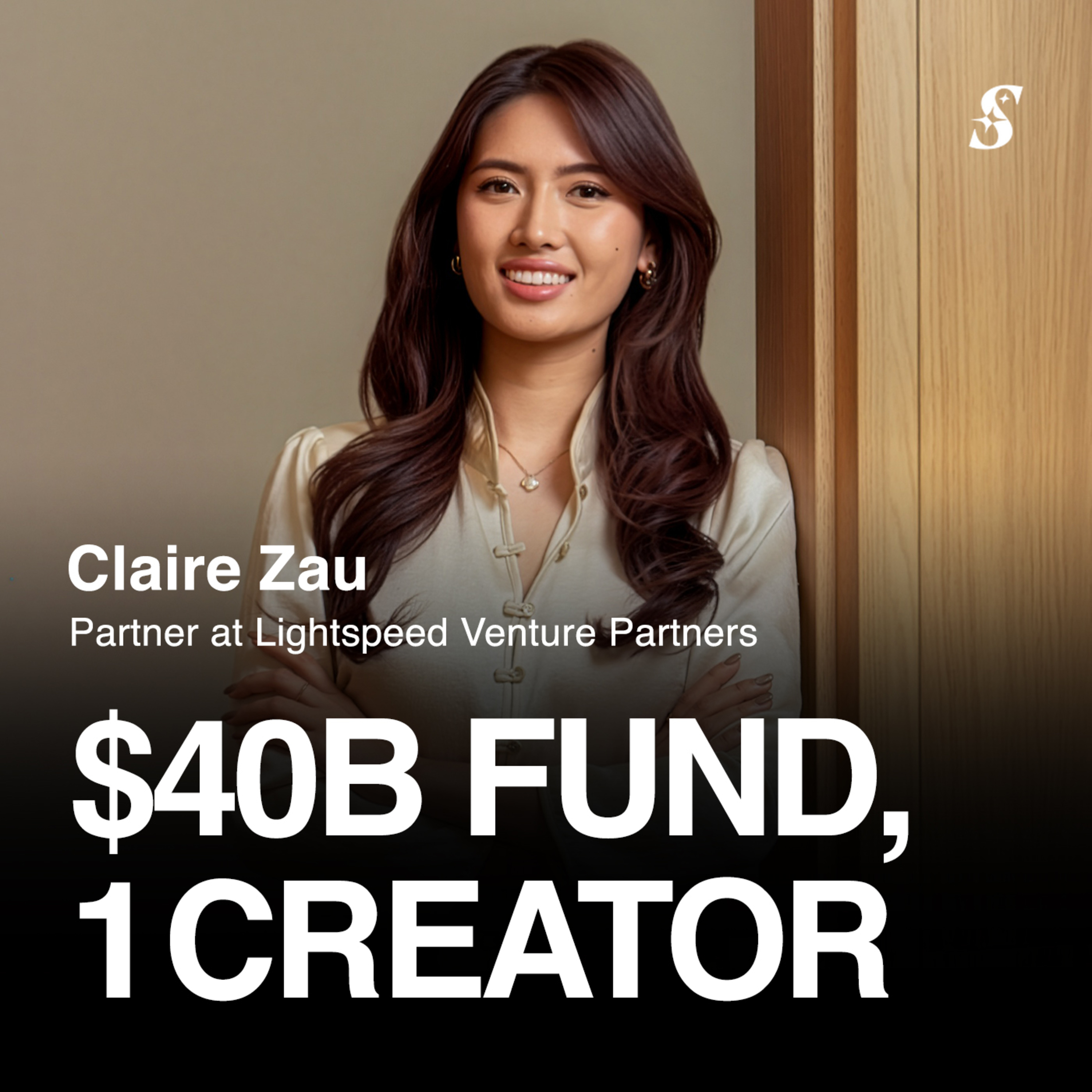
Transitioning a media project from a side hustle to a full-time endeavor unlocks a step-change in growth and opportunity. The Sourcery host's full commitment signaled seriousness to the market, leading to an immediate and dramatic increase in access to top-tier guests.
Related Insights
According to podcaster David Senra, the era of casual, part-time podcasting is ending. A new wave of creators are approaching it like entrepreneurs, focusing intensely on product quality, iteration, and making it their primary venture. This professionalization is raising the competitive bar, making it difficult for hobbyists to succeed.

High-profile media personalities are moving from broadcast to podcasting due to a more favorable economic model. While top-line revenue may be smaller, talent can capture 70-80% of it, a stark contrast to the sub-10% share they typically receive in traditional media.
The clearest indicator that a side hustle is ready to become a full-time business isn't just profit, but substantial top-line revenue generated with limited, part-time hours. If a business can generate over $150k in sales from weekend work alone, it demonstrates massive untapped potential and product-market fit, signaling it's time to take the leap.

A significant trend is the migration of seasoned executives from companies like Discovery to leadership positions at studios founded by creators like Dhar Mann and Mark Rober. This infuses creator-led businesses with the strategic expertise needed to build durable, multi-platform media franchises.

Before asking for a full-time creator headcount, de-risk the investment. Hire a talented creator on a freelance basis with a small budget. Use their initial viral hits and performance data to build a strong business case for a full-time role and a larger budget.

The podcast host frames the OpenAI acquisition as a move from "commentary to real impact." This illustrates a career path where building a credible voice and audience in a niche industry can become leverage for a direct operational or strategic role, shaping the future of that industry from the inside.

Before taking a buyout from USA Today, Jefferson Graham ran his "Photo Walks TV" YouTube channel as a side project for two years. This incubation period allowed him to test the concept, build a small content library, and establish a foundation, making the leap to a full-time creator career significantly less risky.
Top-tier creators are evolving their business models beyond simple sponsorships. They now leverage their influence to secure equity stakes or a percentage of sales they generate, enabling them to capture long-term upside and align more deeply with the brands they promote.

Though often perceived as a low-status medium, podcasting provides unparalleled access to the world's most influential people. They participate because they benefit from your work, creating genuine relationships and opportunities that are inaccessible even to founders with significant venture capital backing.

The decision to leave a day job isn't just about replacing your salary. The true tipping point is when your part-time commitment is actively holding the business back, making the opportunity cost of not going all-in riskier than the leap itself.
