Get your free personalized podcast brief
We scan new podcasts and send you the top 5 insights daily.
The podcast host frames the OpenAI acquisition as a move from "commentary to real impact." This illustrates a career path where building a credible voice and audience in a niche industry can become leverage for a direct operational or strategic role, shaping the future of that industry from the inside.

Related Insights
For an influencer moving to a corporate role, the key is finding a hiring manager who doesn't look at resumes. The influencer must clearly articulate the skills and desires they have for the new role (e.g., operations, sales) and not be defined by their past as a "content person." The challenge is finding the right audience, not changing the pitch.

In the AI era, a creator's job will evolve from producing content to architecting their community's digital ecosystem. This involves tweaking a custom algorithm to guide AI-generated content, ensuring it aligns with the community's values and delivers specific, positive outcomes for members.

Following the loss of prominent figures like Karpathy and Sutskever, OpenAI's move for OpenClaw's founder is more than a technology acquisition. It's a strategic 'acqui-hire' of a new developer hero who commands immense community respect. This move reinvigorates OpenAI's brand as the top destination for builders and inspires internal teams.

The speaker, Philip, caught the attention of Thrive's founder, Josh Kushner, by writing a niche Substack about semiconductors. This demonstrates that deep, public expertise in a specific domain can be a powerful way to network and find unique career opportunities in venture capital.
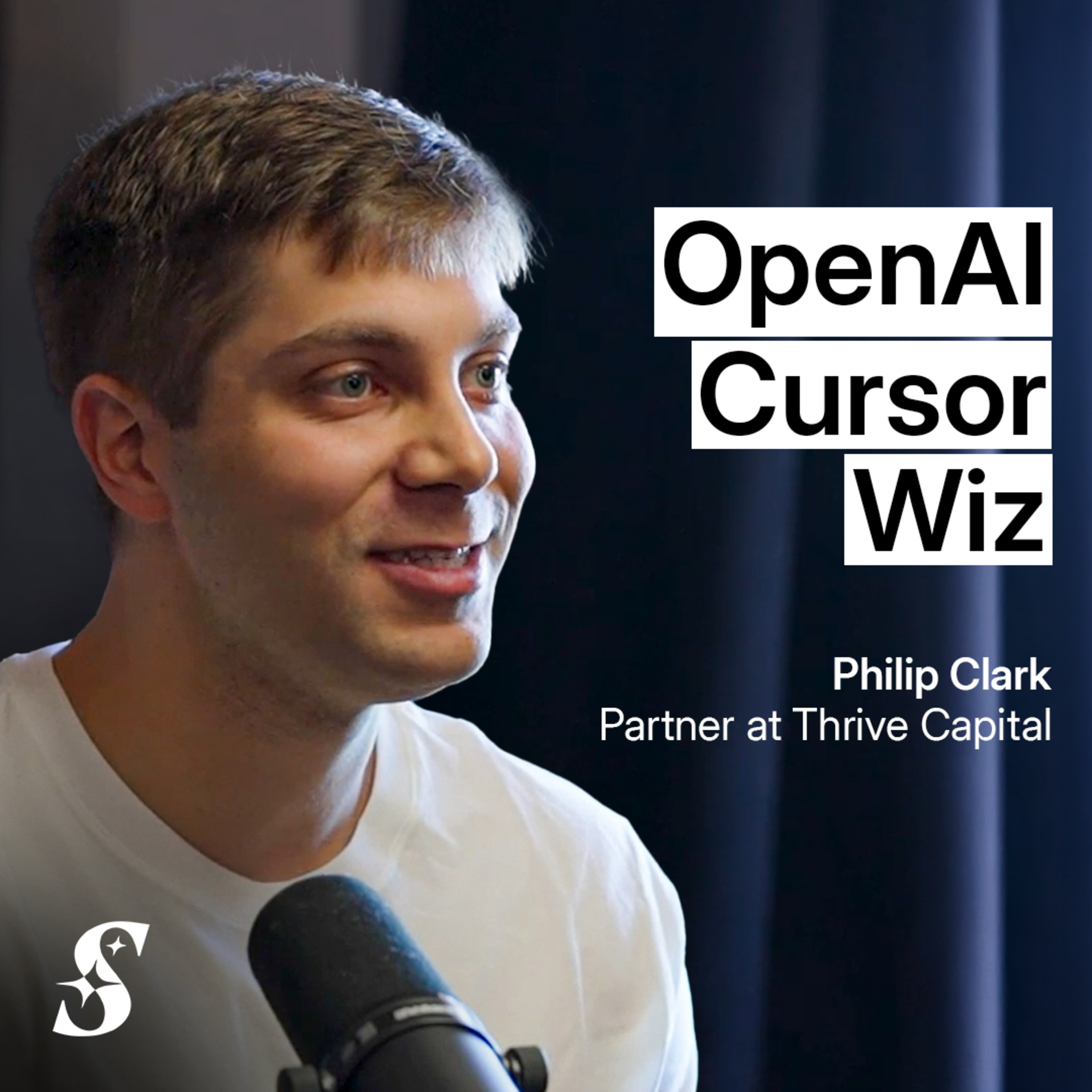
OpenAI acquired podcast TBPN to foster constructive conversation about AI, acknowledging that standard corporate communications are inadequate for a technology as transformative as AGI. This strategy favors acquiring a credible, existing platform for dialogue over building a sterile, in-house one.
A significant trend is the migration of seasoned executives from companies like Discovery to leadership positions at studios founded by creators like Dhar Mann and Mark Rober. This infuses creator-led businesses with the strategic expertise needed to build durable, multi-platform media franchises.

In large, traditional enterprises, employees can rapidly accelerate their careers and gain influence by positioning themselves as the firm's "AI Czar." This role often doesn't require deep technical expertise but rather the initiative to introduce and evangelize existing AI tools, like Claude for Excel, to solve business problems.

The fastest career acceleration comes from being inside a hyper-growth company, regardless of your initial title. The experience gained scaling a 'rocket ship' is far more valuable than a senior title at a slower-moving business. The speaker herself took a step down from Senior Director to an individual contributor role to join OpenAI.
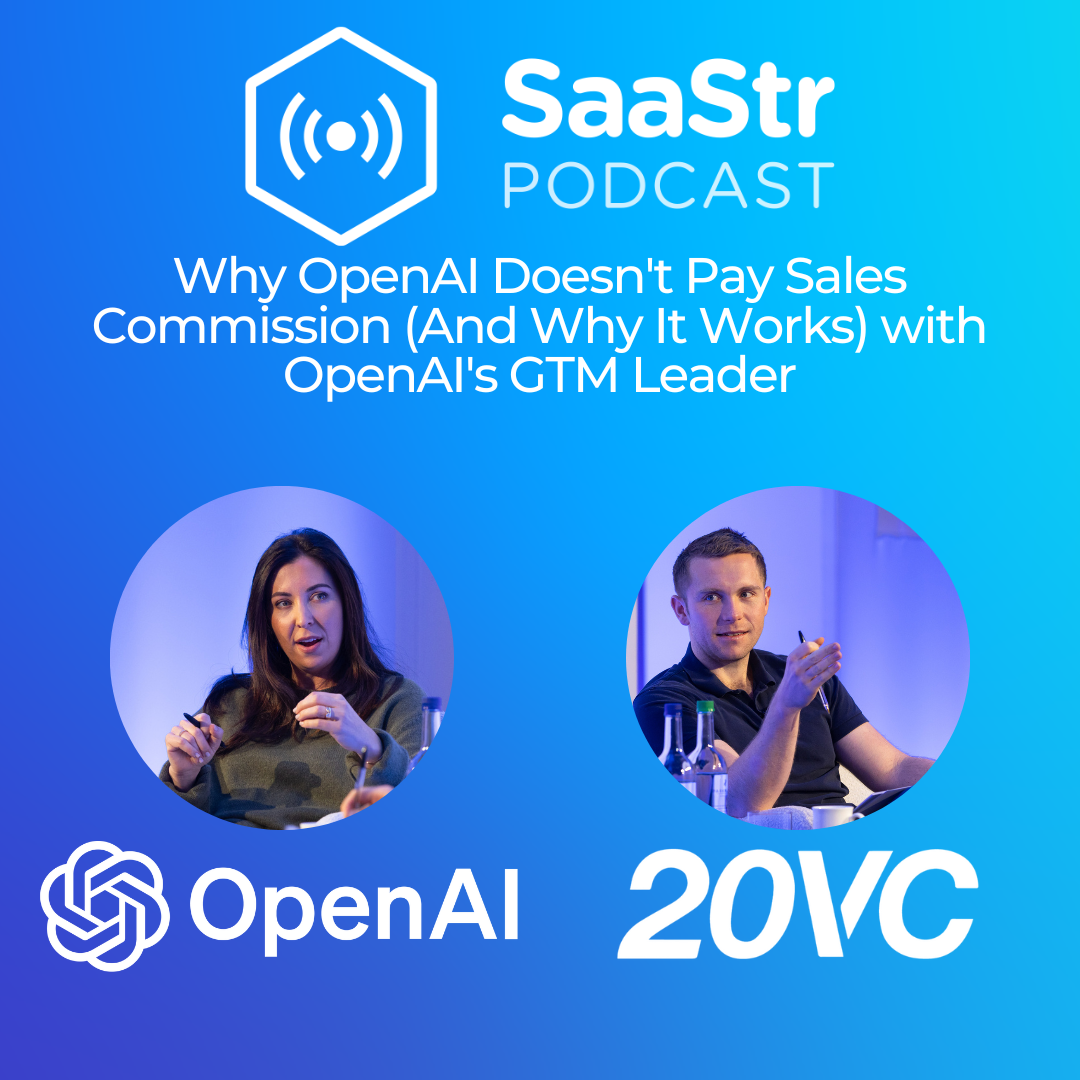
Instead of building a traditional communications team, OpenAI bought an existing media entity to foster constructive conversation about AI's impact, leveraging its established audience and editorial voice. This is a novel strategy for a major tech company.
The immediate career advantage in the AI era goes to employees who become internal AI champions. As CEOs mandate AI adoption, those who are already AI-native and can teach their teams to become more efficient will receive massive promotions and raises. This creates a clear path for advancement by leading the AI transition from within.
