Get your free personalized podcast brief
We scan new podcasts and send you the top 5 insights daily.
John Arnold distinguishes philanthropy from charity, arguing its core function is to tackle long-term, systemic problems. Foundations can take risks—political and economic—that governments and corporations are not incentivized to take, funding experimental solutions with a high probability of failure but massive potential societal upside.
![John Arnold - China, Energy Markets and Fixing America's Systems - [Invest Like the Best, EP.461] thumbnail](https://megaphone.imgix.net/podcasts/8d466670-1755-11f1-baf2-dfb3d97a3978/image/4ec9ac82b5c7a937e9e90aa69d037805.jpg?ixlib=rails-4.3.1&max-w=3000&max-h=3000&fit=crop&auto=format,compress)
Related Insights
The core value of the Effective Altruism (EA) community may be its function as an 'engine' for incubating important but non-prestigious, speculative cause areas like AI safety or digital sentience. It provides a community and methodology for tackling problems when the methodology isn't firm and the work is too unconventional for mainstream institutions.

Sir Ronald Cohen critiques the philanthropic model, arguing that relying on donations keeps charitable organizations small, underfunded, and perpetually begging for capital. This prevents them from achieving the scale needed to solve massive problems, a flaw that impact investing aims to correct by creating self-sustaining models.

Philanthropy often addresses symptoms because the market won't pay to solve the root problem. True, lasting progress comes from innovating to create a self-sustaining economic engine around a solution, proving its value in a marketplace where people vote with their money.

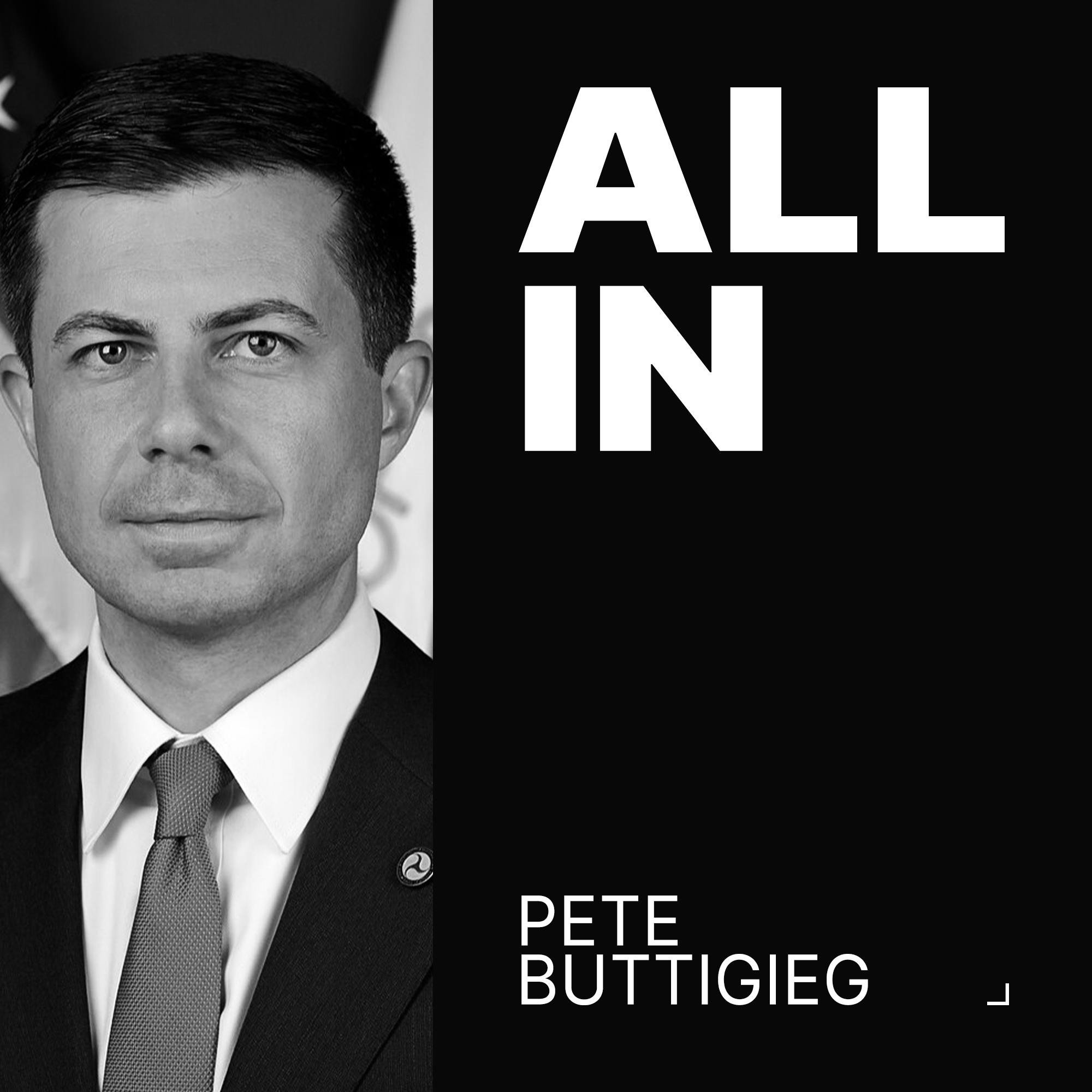
Buttigieg argues the government's essential function is investing in foundational, high-risk ideas like the internet or basic research. These ventures have massive potential but don't offer the short-term returns or clear monetization paths required by the private sector due to market failures.
CZI focuses on creating new tools for science, a 10-15 year process that's often underfunded. Instead of just giving grants, they build and operate their own institutes, physically co-locating scientists and engineers to accelerate breakthroughs in areas traditional funding misses.

The focus of billionaire philanthropy has shifted from building physical public works (like libraries) to funding NGOs and initiatives that aim to fundamentally restructure society, politics, and culture according to their ideological visions.

Government funders like the NIH are inherently risk-averse. The ideal model is for philanthropists to provide initial capital for high-risk, transformative studies. Once a concept is proven and "de-risked," government bodies can then fund the larger-scale, long-term research.

Instead of funding small, incremental research grants, CZI's philanthropic strategy focuses on developing expensive, long-term tools like AI models and imaging platforms. This provides leverage to the entire scientific community, accelerating the pace of the whole field.

CZI strategically focuses on developing long-term scientific tools and platforms by operating its own labs. This addresses a funding gap left by government grants for individual investigators and public-health-focused philanthropies, aiming to accelerate research for all scientists.

Jada McKenna debunks the myth that billionaires or foundations can replace large-scale government funding. She explains that while helpful, private donors rightfully see systemic support as a government responsibility and are unwilling to fill massive, structural funding gaps themselves, sticking instead to their own strategies.