Get your free personalized podcast brief
We scan new podcasts and send you the top 5 insights daily.
To prevent silos, Apollo fosters a culture where employees spend time helping other teams, knowing the favor will be returned. This "flywheel" of mutual assistance is the core driver of their integrated model, cemented by firm-wide incentives like equity for all employees and bonuses tied to firm citizenship.

Related Insights
Rather than relying on formal knowledge sharing, Alphabet's X embeds central teams (like legal, finance, prototyping) that float between projects. These individuals become natural vectors, carrying insights, best practices, and innovative ideas from one project to another, fostering organic knowledge transfer.
To ensure genuine collaboration across funds, Centerbridge structures compensation so a "substantial minority" of an individual's pay comes from other areas of the firm. This economic incentive forces a firm-wide perspective and makes being "part of one team" a financial reality, not just a cultural slogan.
To keep growth aligned with product, foster a shared culture where everyone loves the product and customer. This isn't about formal meetings, but a baseline agreement that makes collaboration inherent. When this culture exists, the product team actively seeks marketing's input, creating a unified engine.
Apollo deliberately structures its office with a central floor for food and amenities. This forces "casual collisions"—unplanned interactions between employees from different teams—which is crucial for collaboration, innovation, and sustaining a strong culture, especially post-pandemic.

At Menlo, peer-driven promotion decisions hinge on a crucial question: "Does the rest of the team perform better when you are part of that project?" This evaluates an individual's value based on their ability to elevate others, prioritizing team amplification over solitary excellence.

Elf uses a unique compensation model where every employee's bonus (from 0-200%) is tied to the same company-wide adjusted EBITDA metric. This aligns operations, sales, and marketing on a shared financial fate, fostering cross-functional collaboration and a strong sense of ownership.

To break down silos and encourage a platform mindset, Microsoft CEO Satya Nadella changed performance reviews. Every employee had to document how they contributed to the success of others, directly linking collaboration to their compensation. This made the cultural shift tangible and non-negotiable, moving beyond mere talk.

Structuring compensation around a single, firm-wide P&L, rather than individual deal performance, eliminates internal competition. It forces a culture of true collaboration, as everyone's success is tied together. The system is maintained as a meritocracy by removing underperformers from the 'boat.'
![Martín Escobari - Inside General Atlantic - [Invest Like the Best, EP.449] thumbnail](https://megaphone.imgix.net/podcasts/90e6e3e6-c984-11f0-ae5f-27bb851bdc56/image/608fac468f77cb3014e96336896d96de.jpg?ixlib=rails-4.3.1&max-w=3000&max-h=3000&fit=crop&auto=format,compress)
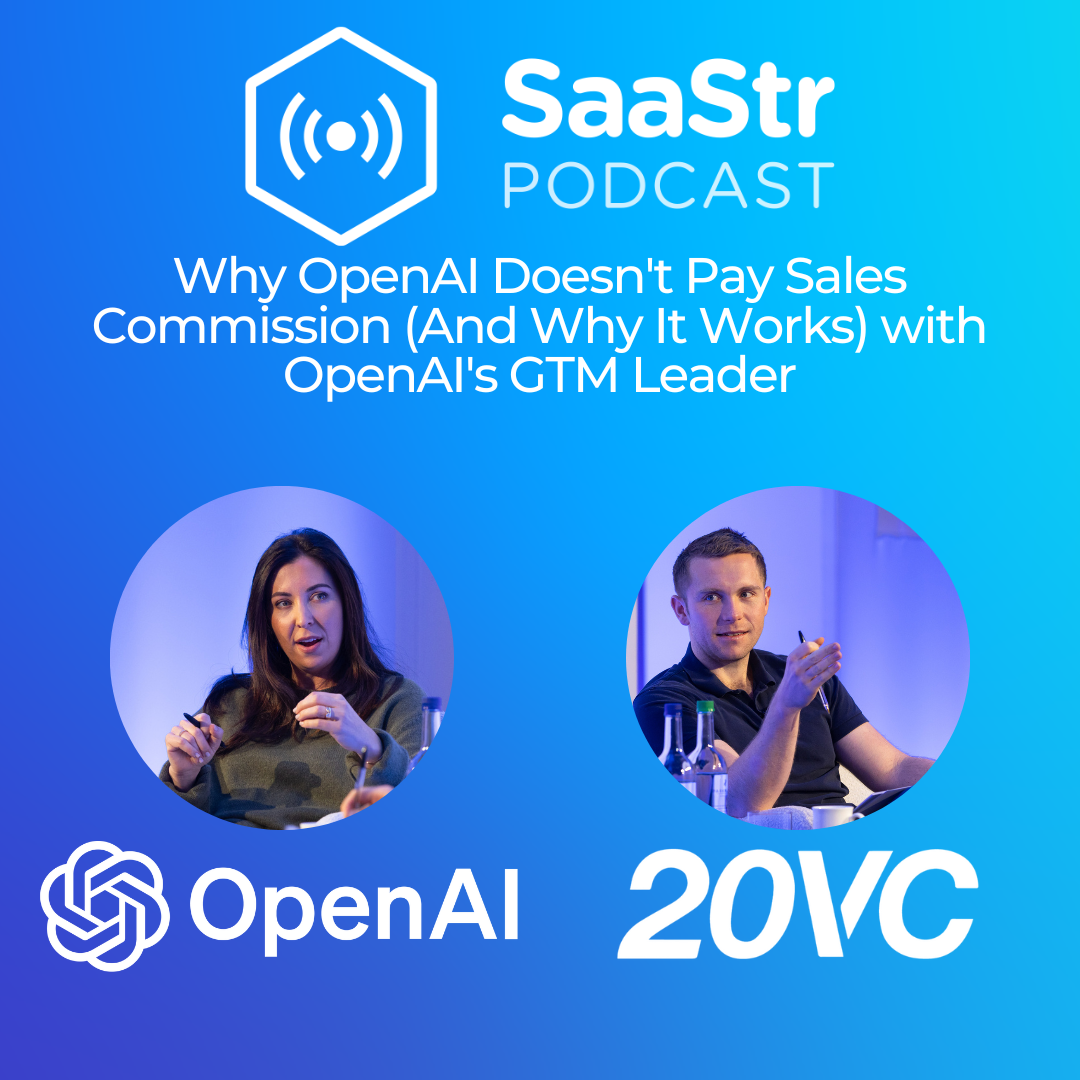
Forgo traditional sales commissions at early-stage companies to incentivize what's best for the business, not just the individual. By offering a competitive salary and strong equity instead, salespeople are motivated to help with onboarding, cross-functional projects, and team building without seeing it as a financial loss.
While customer empathy is common, the real breakthrough in solving complex problems comes from fostering empathy between internal business units, such as sales and operations. This transforms internal friction and blame into a shared, collaborative mission.
