Get your free personalized podcast brief
We scan new podcasts and send you the top 5 insights daily.
The tension at Google highlights a core industry conflict. Leaders like Demis Hassabis are focused on long-term, ambitious research goals like AGI and drug discovery. However, the immediate, high-value market is in practical enterprise applications. Over-investing in research while neglecting productization can cause a company to fall behind commercially.
Related Insights
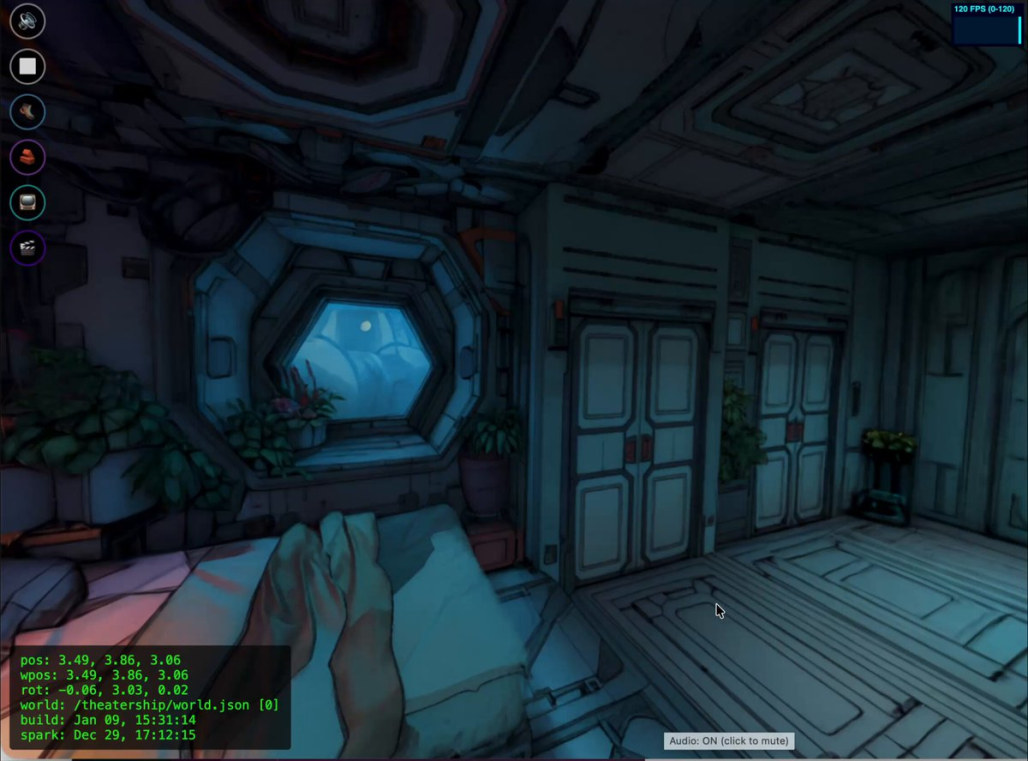
Demis Hassabis's move from CEO to chief scientist reflects his belief that AGI requires breakthroughs beyond current LLM technology. This allows him to focus on long-term research like "world models" while the company continues its commercial LLM efforts, illustrating a split between immediate business needs and foundational research goals.

Unlike prior tech waves where founders aimed to build companies, many top AI founders are singularly focused on achieving AGI. This unified "North Star" creates a unique tension between long-term research and near-term product goals, leading to unconventional founder and company dynamics.

With model improvements showing diminishing returns and competitors like Google achieving parity, OpenAI is shifting focus to enterprise applications. The strategic battleground is moving from foundational model superiority to practical, valuable productization for businesses.
Demis Hassabis reportedly acted as a 'firewall' between DeepMind and Google's core business units. This separation may have created misaligned incentives, with research teams chasing elegant benchmarks while product and cloud teams focused on commercial goals, slowing the integration of AI across the company.

Google's direction is pulled between two philosophies. CEO Demis Hassabis favors a long-term, "world models" path to AGI, while a faction reportedly led by Sergey Brin pushes to compete directly with OpenAI and Anthropic on immediate applications like AI coding agents. This internal tension manifests as a confusing product roadmap.

For Google, leadership on public AI model benchmarks is less critical than translating its AI capabilities directly into revenue-generating product features. An analyst suggests the true measure of success is successful product integration and revenue growth, not just winning the "model race" on leaderboards.

Google's strategy is shifting from leading AI model development to becoming an infrastructure provider. By selling vast amounts of its TPU compute to competitors like Anthropic, it prioritizes the high margins of its cloud (GCP) division, effectively sacrificing DeepMind's position at the frontier of AI research.
The mission to achieve AGI often conflicts with the commercial need to build a product. This creates a critical tension for founders: Should limited, expensive GPU resources be allocated to long-term research or to powering the revenue-generating product that funds that research?
The AI field is shifting focus from the grand pursuit of Artificial General Intelligence (AGI). The commercial necessity for major labs to generate revenue is forcing a pivot back toward building reliable, narrower, and more immediately profitable applications like language translation or code generation.

The departure of Demis Hassabis and Jeff Dean, while a loss of talent, may be what Google needs. The previous leadership failed to compete commercially, focusing on science over products. This change allows Google to redesign its AI organization to win the current AI race, which it was clearly losing under the old guard.