Get your free personalized podcast brief
We scan new podcasts and send you the top 5 insights daily.
When a major US company like Bristol Myers Squibb invests in a Chinese biotech, it's not just a sign of global competition. It signifies a deliberate withdrawal of capital from the American biotech ecosystem. This migration of innovation and funding is a clear warning that the US is losing its strategic advantage.

Related Insights
The high cost and time required for US clinical trials create a rational economic incentive for companies and investors to move operations to China. The solution isn't to match China's low costs, but to significantly improve US efficiency to make domestic investment more competitive.

Large multinational pharma companies publicly express concern about the threat from China's biopharma sector. Simultaneously, these same companies are investing billions, actively integrating China into the global ecosystem and contradicting their own zero-sum game narrative.

Jeremy Levin outlines China's deliberate, 25-year strategic plan for biotech, moving from API production to CROs, attracting scientific talent, creating lookalikes, and now developing novel medicines. He warns that unless the U.S. treats biotech as a strategic asset, China's state-driven approach will make it the dominant innovator within five years, partly funded by Western pharma investments.

A disconnect exists between the public rhetoric of U.S. pharma leaders, who frame China's growing biotech sector as a threat, and their corporate actions. These same companies are investing heavily in Chinese R&D and manufacturing, revealing a dual strategy of public caution and private commitment to integrating China into the global biopharma ecosystem.

Driven by significant government investment, China is rapidly becoming a leader in biotech R&D, licensing, and outsourcing. This shift is a top-of-mind concern for US biotech and pharma executives, with China now involved in a majority of top R&D licensing deals.
Beyond just pharma, China is engaging in a 'salami slicing' strategy to take over the foundational infrastructure of the U.S. biotech economy. This slow, incremental acquisition of manufacturing and research capabilities mirrors its successful long-term strategy for dominating sectors like rare earths.
The United States is rapidly losing its biomedical edge to China, not from a lack of talent, but because clinical trials there are faster and cheaper. Risk capital has no national loyalty; it flows to where it can be deployed most efficiently. Without regulatory reform, the U.S. will see its homegrown innovations developed and capitalized on overseas.

According to investor Joe Edelman, China's main strength is developing new molecules. This means US and European firms will increasingly in-license drugs from China, creating fierce competition for the small US biotechs that traditionally filled this pipeline role for larger pharmaceutical companies.
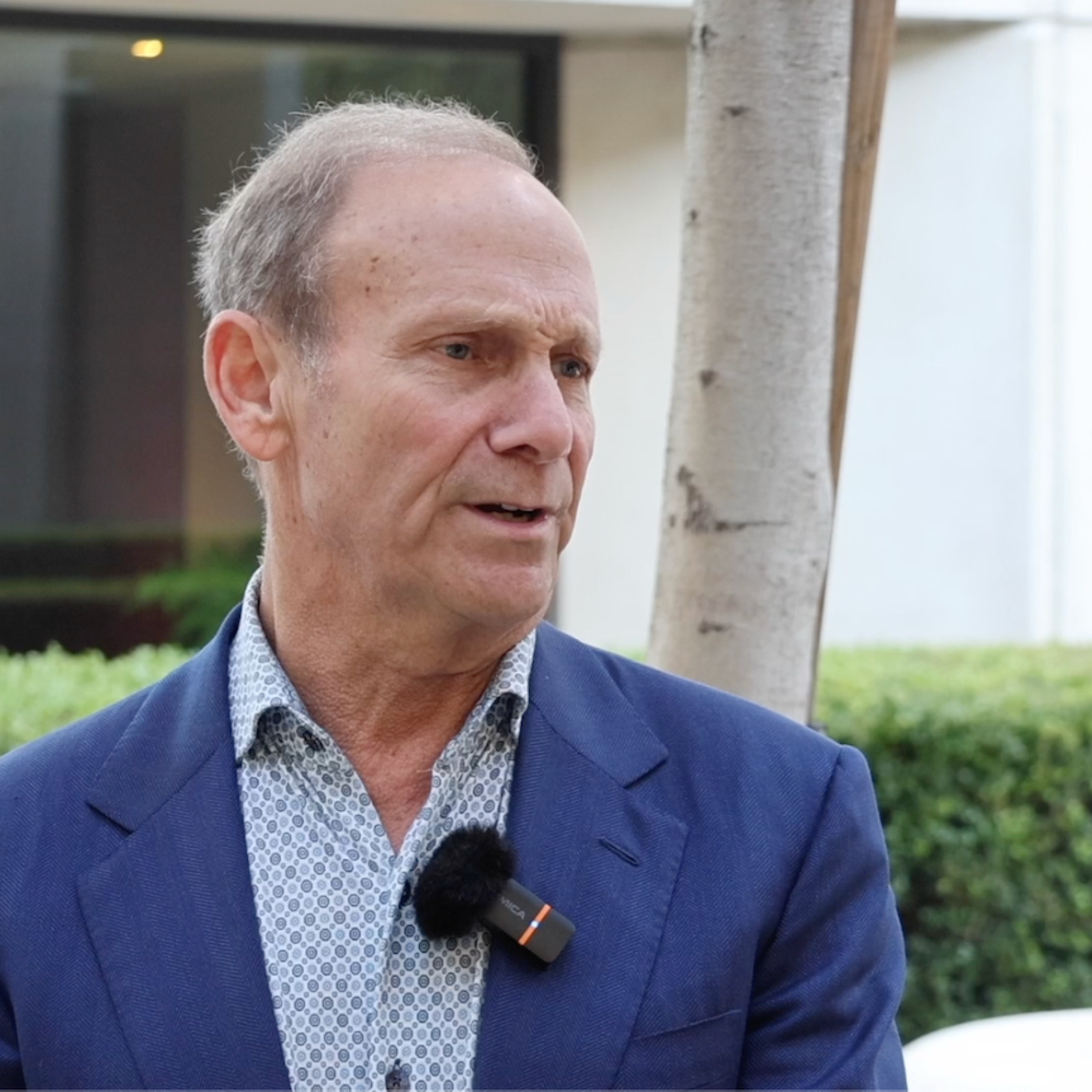
Pharmaceutical companies are engaging in lengthy negotiations with US biotech startups while simultaneously exploring cheaper, faster assets in China. This creates negotiation leverage and puts downward pressure on valuations and deal terms for US-based innovators.
The next decade in biotech will prioritize speed and cost, areas where Chinese companies excel. They rapidly and cheaply advance molecules to early clinical trials, attracting major pharma companies to acquire assets that they historically would have sourced from US biotechs. This is reshaping the global competitive landscape.
