Get your free personalized podcast brief
We scan new podcasts and send you the top 5 insights daily.
David Risher admits that even after years on Lyft's board, he didn't truly understand the company's inner workings. Upon becoming CEO, he found every issue was "10 times bigger, worse, better." This highlights the significant gap between board-level oversight and deep operational reality.

Related Insights
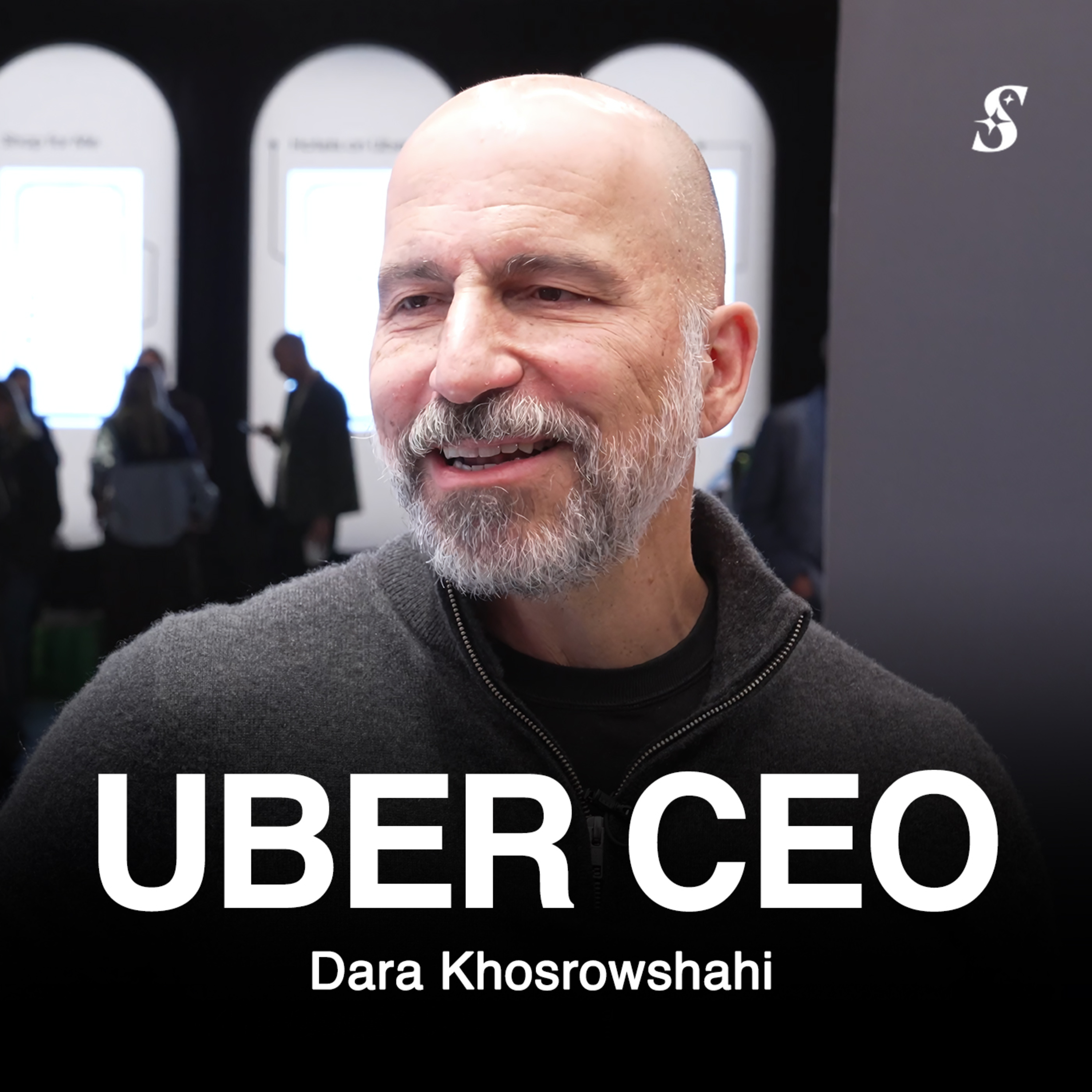
Dara Khosrowshahi credits Barry Diller with teaching him a vital leadership tactic: go directly to the source. The higher you get, the more information is filtered by the organization. To avoid disastrous errors of judgment, leaders must actively fight this curated information flow and seek raw data from front-line employees.

Reed Hastings argues board members lack daily context to add value with advice. Their true function is to be an "insurance layer," with their most crucial responsibility being the decision to replace the CEO if needed. They must learn the business not to advise, but to be prepared for that moment.
![Reed Hastings - Building Netflix - [Invest Like the Best, EP.453] thumbnail](https://megaphone.imgix.net/podcasts/2f1ecac4-e4ba-11f0-a8e8-777eb8de0c5a/image/28fb3c25b09448a35f17657a5e614900.jpg?ixlib=rails-4.3.1&max-w=3000&max-h=3000&fit=crop&auto=format,compress)
The demands of the CEO role—focusing on external stakeholders and high-level strategy—inevitably distance them from operational realities. This counterintuitive insight argues against the "Imperial CEO" model and highlights the constant risk of losing touch with the business.
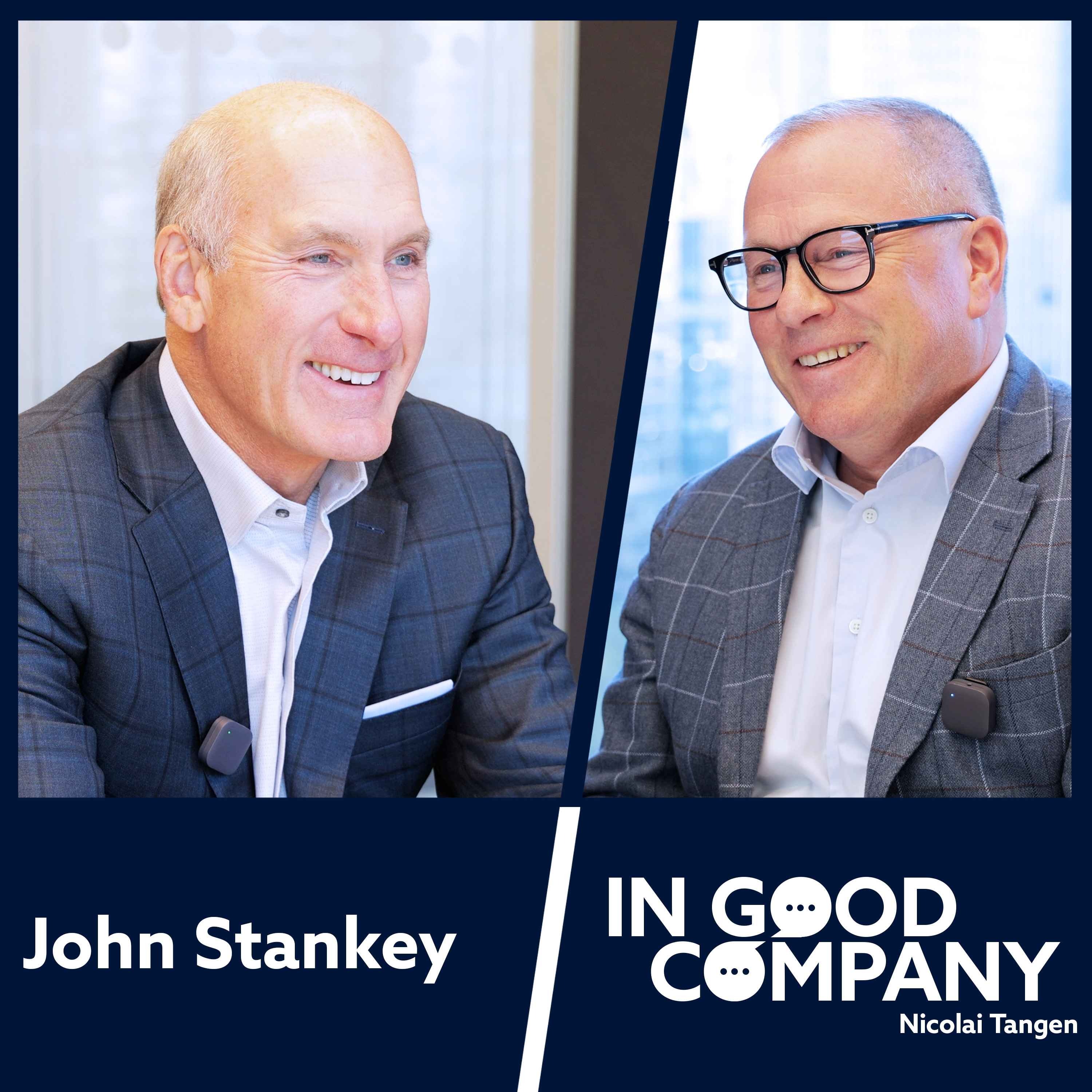
It is significantly more difficult to step in as a non-founder CEO than to build a business from scratch. The new leader must contend with inherited business inertia, a pre-existing culture shaped by the founder, and constant comparisons, making transformative change much harder.

The visionary and evangelistic skills that make a great founder are fundamentally different from the operational skills needed to run a large organization. Assuming a founder is the best person to manage a scaled company is a mistake.

Lyft's co-founders recognized a common corporate governance weakness: boards are often too far removed from customers, focusing instead on finance and high-level strategy. They recruited David Risher specifically for his "customer obsession" to bring that critical perspective into the boardroom.

CEO David Risher actively dives into product details ('Falcon Mode') to resolve conflicts and maintain focus in a structure organized by customer (Rider, Driver). This prevents divisional silos from slowing down decision-making and ensures alignment.
To understand a company's core problems, leaders should experience the business as a customer. Before joining Tesla, the speaker mystery-shopped their stores, immediately revealing a massive sales process failure that was invisible to management but obvious from the front line.

To avoid the filtered information that often reaches the C-suite, Dara Khosrowshahi deliberately bypasses management layers. He holds "no decks" jam sessions with engineers and product managers 2-4 levels down, speaking candidly to encourage honest feedback and get a real understanding of the company's challenges.
Karri Saarinen argues that investors without direct operational experience often make better board members. They understand their role is to provide capital and high-level guidance, not dictate day-to-day strategy. This prevents them from misapplying lessons from their past company to your unique situation.
