Get your free personalized podcast brief
We scan new podcasts and send you the top 5 insights daily.
Banga frames the World Bank's primary function not as financial aid, but as an engine for job creation. He believes a job provides not just income, but also the hope and optimism necessary to break the cycle of poverty, calling it the best way to "put a nail in the coffin of poverty."

Related Insights
To stop starving its population, China embraced capitalist ideas: leveraging self-interest, creating jobs, and allowing for income inequality. This paradoxical move by a communist regime serves as powerful evidence that capitalism is the most effective tool for pulling masses out of poverty.

Contrary to Econ 101's labor-leisure tradeoff, unconditional cash transfers consistently lead to an increase in work in low-income countries. Recipients are capital-constrained, and the cash enables them to start small businesses, leading to a zero or positive effect on labor supply.

To create jobs for the 1.2 billion young people entering the workforce, Ajay Banga advises governments to focus on five key sectors: infrastructure, smallholder farming, primary healthcare, tourism, and value-added manufacturing. Crucially, most of these rely on domestic and regional demand, insulating them from global trade volatility.
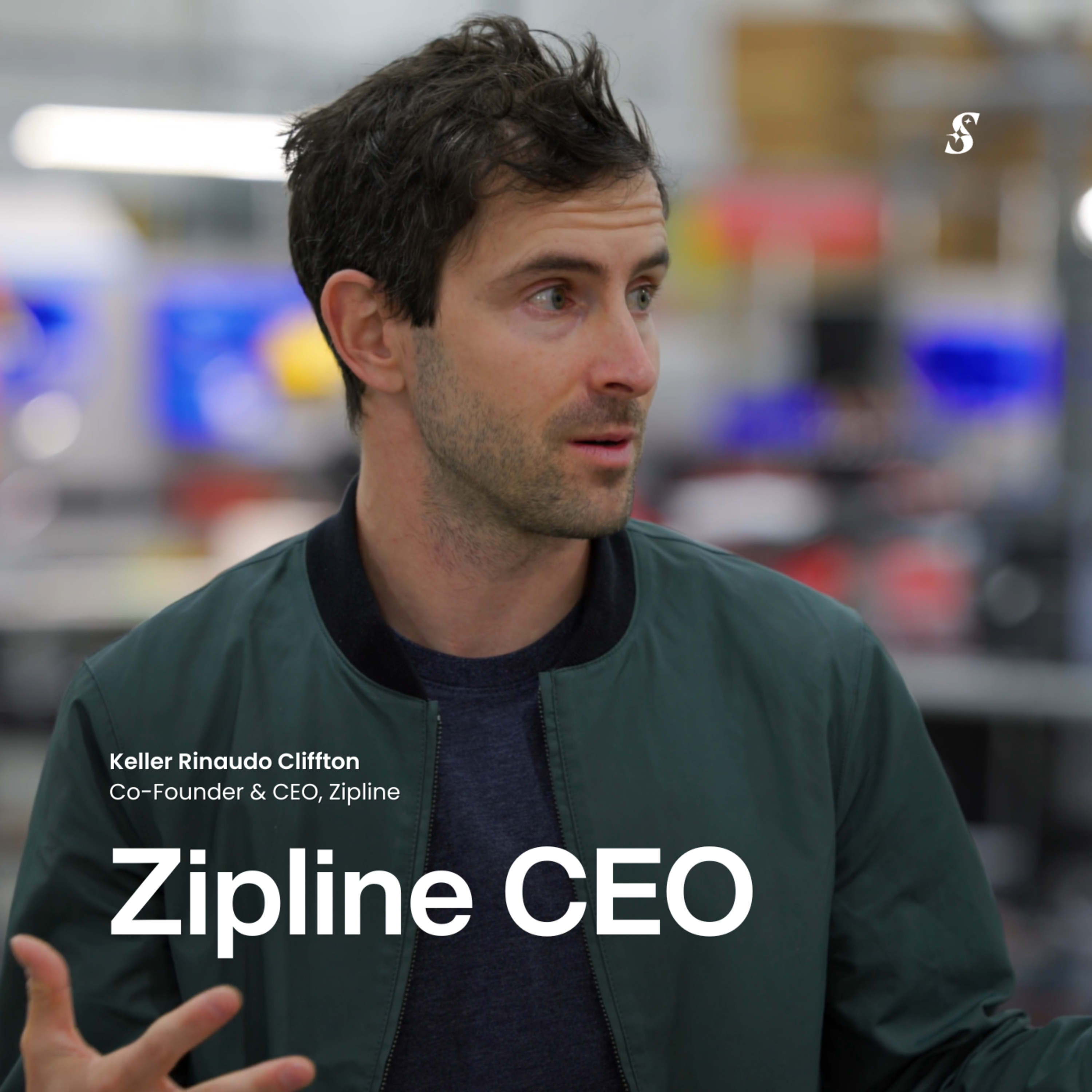
The traditional foreign aid model creates dependency. Zipline's success in Africa shows that developing countries are eager to be commercial partners, investing their own capital to purchase advanced technology like AI and robotics. This "trade, not aid" approach builds their economies and creates stronger alliances.
The World Bank's original mandate was reconstruction for war-torn Europe and Japan, financing projects like Japan's bullet trains. Only after their recovery in the 1960s did the institution pivot its focus to the developing world and poverty alleviation, creating arms like the IDA for the poorest nations.
With his "American Dream Initiative," Jamie Dimon is framing JPMorgan not just as a bank, but as a crucial actor stepping in to fix systemic national issues like small business creation and wealth inequality. This positions the corporation to solve problems Dimon believes government policy has failed to address, a form of corporate statesmanship.

Philanthropy often addresses symptoms because the market won't pay to solve the root problem. True, lasting progress comes from innovating to create a self-sustaining economic engine around a solution, proving its value in a marketplace where people vote with their money.

Government-administered aid programs are often highly inefficient, with significant overhead costs meaning only "cents on the dollar" reach the intended recipients. A more effective solution is to provide direct cash transfers or vouchers, empowering individuals to spend the money within the existing private market.

The IMF and World Bank have distinct roles. The IMF provides emergency financing for macroeconomic stability when a country faces a crisis (e.g., balance of payment needs). In contrast, the World Bank funds specific, long-term development projects like roads, schools, and energy access, primarily in developing nations.

Acknowledging that SMEs, particularly those run by women, lack initial equity, the World Bank's IFC is moving away from its post-financial crisis, debt-heavy model. The goal is to rebalance its portfolio to include more equity investments, providing the foundational capital that creates jobs and drives development.