Get your free personalized podcast brief
We scan new podcasts and send you the top 5 insights daily.
To differentiate in a crowded craft beer market, founder Alan Newman banned typical marketing language about "finest ingredients." Instead, he positioned Magic Hat as a lifestyle brand centered on music, sponsoring festivals and aiming for it to be the go-to beer to bring to a party because it was "fucking cool."

Related Insights
To maintain its 'unexpected' brand pillar, Liquid Death's marketing team deliberately avoids repeating successful formulas or executing ideas that feel predictable. This forces constant innovation and ensures their marketing remains genuinely surprising to their audience.

The "Liquid Death" name was a hurdle with early retail buyers but became a key differentiator. The brand accepts that a fraction of people will never buy it, recognizing that creating passionate loyalty among the majority is far more valuable than broad, lukewarm appeal.

In contrast to its sophisticated Italian brands, Campari allows its tequila brand, Espolon, a distinct personality rooted in irreverence and humor. This "counter-culture" positioning allows it to connect with a different consumer segment and demonstrates strategic brand portfolio differentiation.
By launching a beer so strong (30% ABV) that it is illegal in 15 states, Sam Adams creates an aura of exclusivity and rebellion. This "banned" status generates significant earned media and attracts connoisseurs, turning a product limitation into a powerful marketing tool that reinforces the brand's craft credentials.

For communities or companies like Dave Gerhardt's Exit 5, the founder's personal brand can become the primary differentiator. This creates a 'category of one' in the customer's mind (e.g., 'The Dave Gerhardt Community'), making direct comparisons difficult and establishing a powerful moat that transcends feature-based competition.

The beer industry is a powerful training ground for marketers. With functionally identical products, success hinges purely on branding, teaching marketers how emotion, advertising, and sponsorships drive consumer choice when product differentiation is nonexistent.

Adman Claude Hopkins found that Schlitz Beer used standard, high-quality brewing methods. Since competitors weren't publicizing these steps (e.g., filtered air, deep wells), Hopkins featured them in ads. This created a perception of unique purity, rocketing Schlitz from fifth to first place.

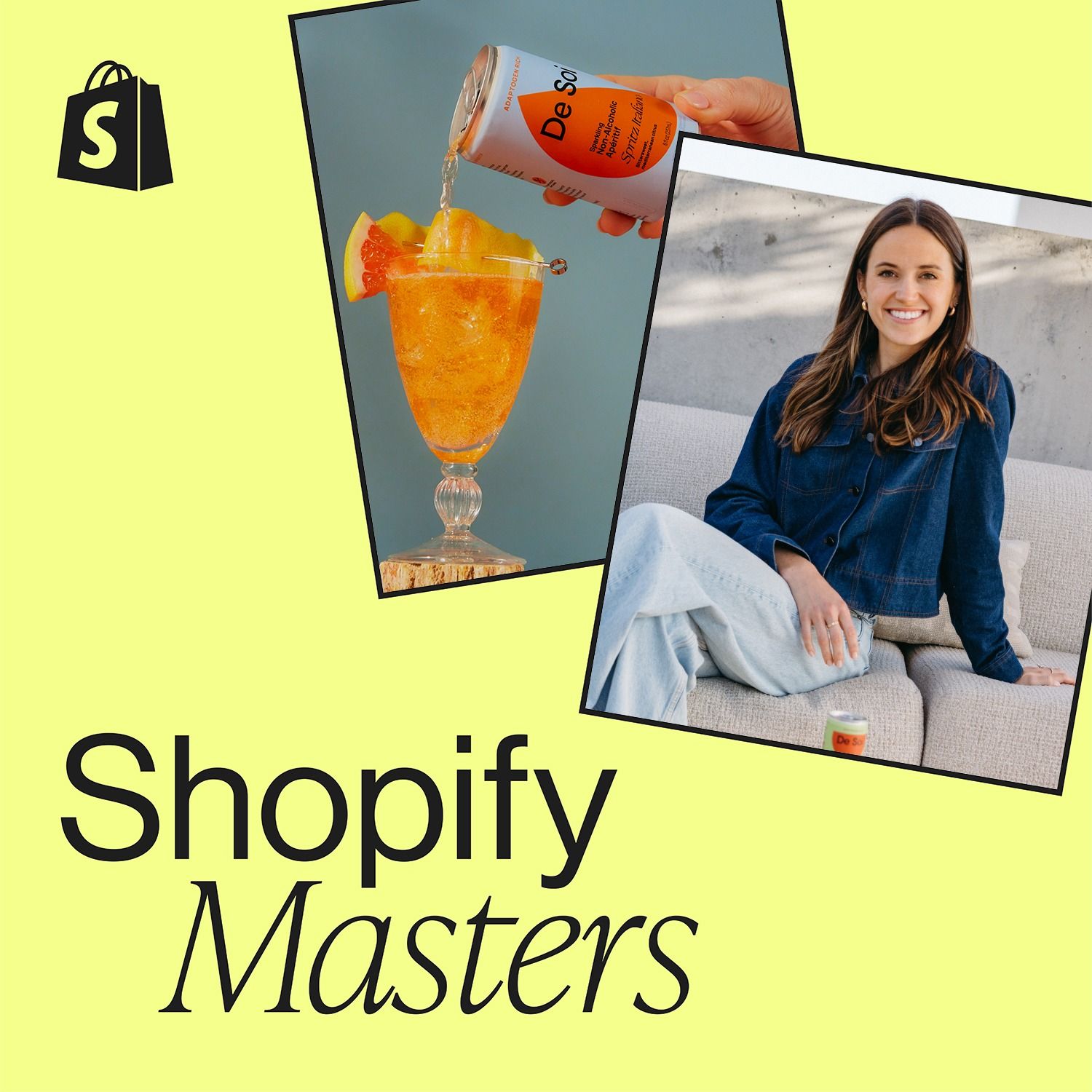
By not featuring co-founder Katy Perry on its cans, De Soi builds an identity separate from its celebrity backer. This creates long-term brand equity and attracts customers who discover the product organically, ensuring loyalty is to the brand itself—a crucial factor for a potential future acquisition.
Adman Claude Hopkins turned Schlitz beer from fifth to first in market share by simply telling the story of their brewing process. Even though the process was standard, no one else was telling it. This highlights that "boring" operational details can be compelling marketing differentiators.

Despite declining wine consumption among young people, Beatbox thrived by changing its product's positioning. It targeted beer's use cases—concerts, gas stations, casual settings—rather than competing with traditional wines. This proves that smart positioning can overcome negative category trends.