Get your free personalized podcast brief
We scan new podcasts and send you the top 5 insights daily.
Acknowledging that the Federal Reserve and government policy consistently bail out markets and inflate asset values creates a clear, if cynical, investment thesis. Rather than fighting the system, investors should align with it by owning assets, as the "house" is set up to benefit them.

Related Insights
The primary driver of wealth inequality isn't income, but asset ownership. Government money printing to cover deficit spending inflates asset prices. This forces those who understand finance to buy assets, which then appreciate, widening the gap between them and those who don't own assets.

A generation of investors has only known a market where the Federal Reserve intervenes to prevent crises. This creates a deep-seated belief in a 'Fed put' that won't dissipate until the Fed is forced to let a significant event unfold without a bailout, which is unlikely in the near term.

Warsh contends that post-crisis quantitative easing primarily inflated asset prices (stocks, housing) rather than stimulating the real economy through traditional credit channels. This created a system where sophisticated investors profited by "playing the game," while wage earners lagged behind, questioning the policy's efficacy and fairness.

Since leaving the gold standard in 1971, the default government response to any financial crisis has been to expand the money supply. This creates a persistent, long-term inflationary pressure that investors must factor into their strategies, particularly for fixed-income assets.
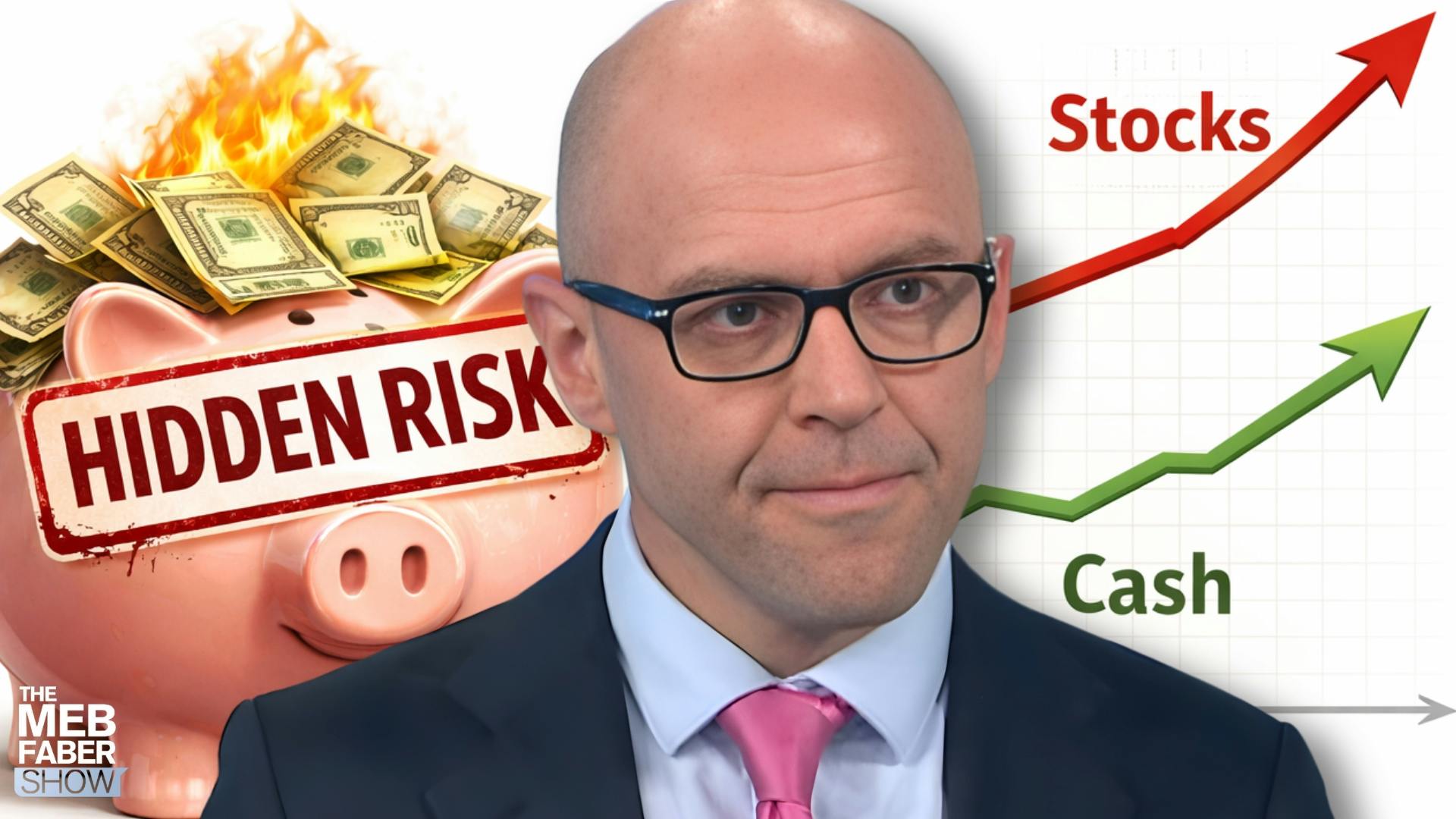
In an era of financial repression and heavy government intervention, the most effective investment strategy is to identify sectors receiving direct government support. By positioning capital near these "money spigots," investors can benefit from policies designed to manage the economy, regardless of traditional market fundamentals.

Investors no longer react to underlying economic health but to the anticipated actions of the Federal Reserve. Bad news signals that the Fed will likely inject money into the system to prevent a crash, making asset prices go up. This creates a perverse incentive structure.
The stock market is like a casino rigged for savvy players. Instead of trying to beat them at individual games (stock picking), the average investor should "bet on the game itself" by consistently investing in broad market index funds. This long-term strategy of owning the whole "casino" effectively guarantees a win.

Contrary to its capitalist branding, the U.S. economy functions as a Keynesian system. It relies on money printing and implicit market support (a 'plunge protection team') to inflate asset prices and maintain the illusion of growth, masking real-term devaluation.

The era of constant central bank intervention has rendered traditional value investing irrelevant. Market movements are now dictated by liquidity and stimulus flows, not by fundamental analysis of a company's intrinsic value. Investors must now track the 'liquidity impulse' to succeed.

The widespread feeling that the system is "rigged" stems from specific government policies. Deficit spending and inflation systematically devalue labor and make key assets like homes unaffordable, robbing non-asset holders of their ability to build wealth and achieve upward mobility.