Get your free personalized podcast brief
We scan new podcasts and send you the top 5 insights daily.
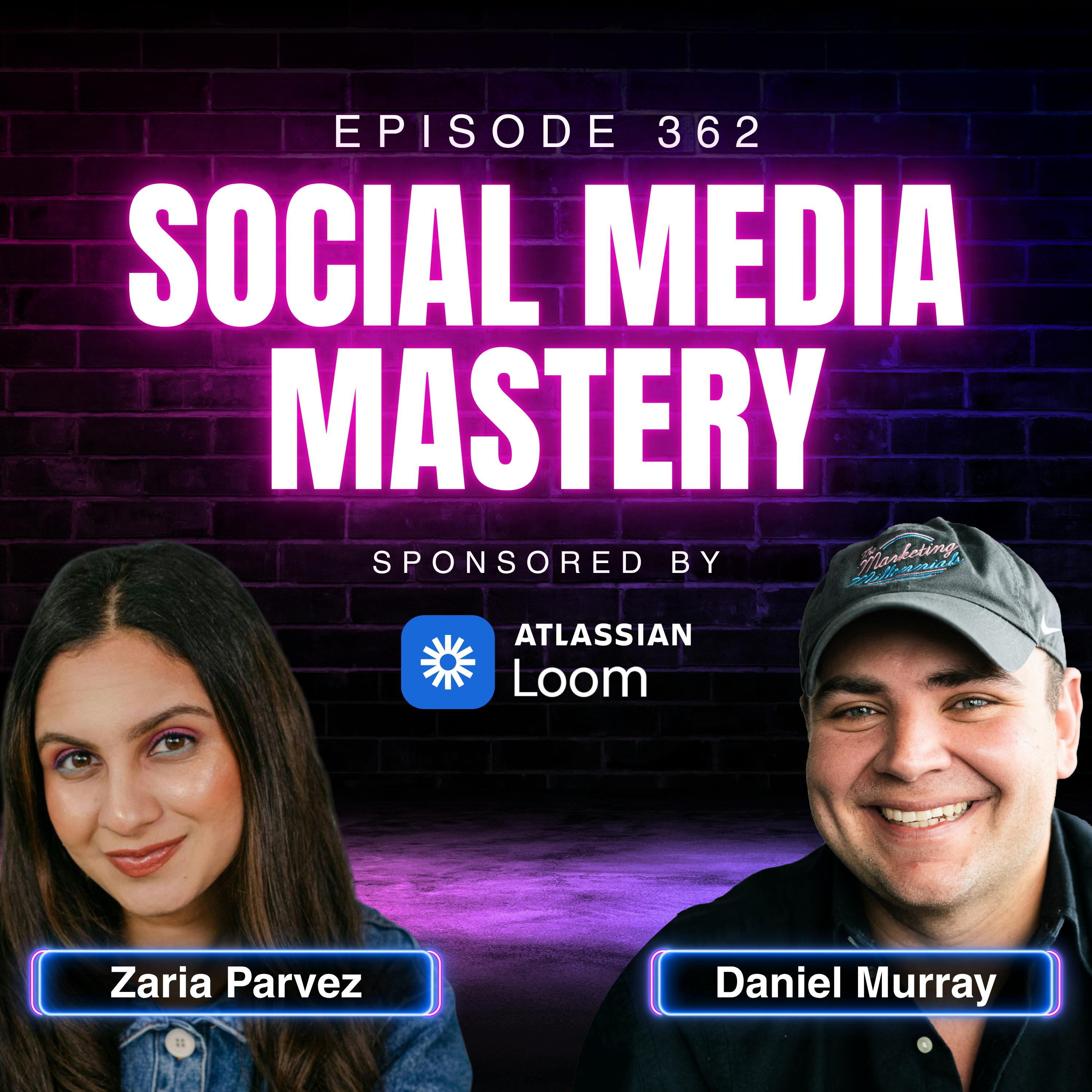
Language-learning app Duolingo became a viral sensation by creating content focused on its brand values (disruption) and voice (chaotic mascot), not its product features. They trusted that entertaining content would build enough intrigue for viewers to bridge the gap and download the app.

Related Insights
Duolingo avoids a one-size-fits-all video strategy. They use TikTok for capitalizing on trends due to its virality mechanics. YouTube Shorts, which favors original content, is used for building out the mascot's lore. Instagram serves as an informational hub and a home for 'millennial-core' content.
Instead of simply announcing a temporary app icon change, Duolingo's social team created a multi-week narrative where their mascot died. This transformed a routine product decision into a massive, co-created story with the community, showing how social-first thinking can amplify even small product updates into major brand moments.

Five years ago, success on TikTok came from quickly hopping on trends. According to Duolingo's Zaria Parvez, that strategy is now saturated. Brands that stand out today prioritize unique creative that isn't trend-dependent, as consumers have grown tired of seeing dozens of brands doing the same thing.
To amplify word-of-mouth, Duolingo identified existing sharing behavior by temporarily tracking user screenshots. They found hotspots like streak milestones and funny challenges, then invested in designers to make these moments even more shareable.

The "How Italian Are You" series focused on community engagement, not immediate conversion. This top-of-funnel content created a brand-aware audience that was later retargeted with conversion-driven ads, proving brand-building can be more effective than constant sales pitches.
Zaria Parvez started at Duolingo with a "naive mindset," unaware that corporate social posts typically require layers of approval. This unintentional freedom allowed her to think like a creator, not an advertiser, leading to the spontaneous, risky content that defined the brand's voice and sparked its initial viral growth.
The company's head of marketing convinced the CEO to hire young marketers with unconventional resumes that didn't fit the typical 'perfect GPA' mold. This talent created the brand's wildly successful, 'unhinged' TikTok account, which became a major user acquisition channel, proving the value of diverse hiring perspectives.

Duolingo's social media success began not with a big budget, but when their first social hire repurposed an old mascot suit from an HR closet for TikToks. This shows how breakthrough ideas can come from simple, resourceful observations rather than complex, top-down strategies.
The viral 'Dead Duo' campaign originated from a product team's A/B test of new app icons. When both icons performed equally, marketing was given seven days to build a campaign around the 'dead eyes' version. This demonstrates extreme agility and opportunistic collaboration between product and marketing.
When Duolingo paused its "unhinged" owl mascot social media strategy, daily active user growth saw its smallest increase in years. This direct correlation demonstrates that for some consumer apps, the social media team can be as crucial for growth as the engineering team, justifying top-tier compensation.
