Get your free personalized podcast brief
We scan new podcasts and send you the top 5 insights daily.
The high markup on smuggled GPUs negates cost benefits from cheaper domestic power. The real drivers are likely government entities or private firms wanting to keep sensitive data within mainland China, making it a strategic decision to avoid sending data abroad rather than an economic one.
Related Insights
Beijing's decision to block Nvidia H200 imports exposes a conflict between its cloud giants (Alibaba, Tencent) who need the chips and state-backed champions (Huawei) who benefit from a protected, captive market for their own less-advanced hardware.

The most significant sanctions loophole isn't physical chip smuggling but 'compute smuggling.' Chinese firms establish shell companies to build and operate data centers in neutral countries like Malaysia. They then access this cutting-edge compute power remotely, completely bypassing physical import restrictions on advanced hardware.
Despite the U.S. easing export controls, China's government may restrict imports of NVIDIA's advanced chips. Beijing is prioritizing its long-term goal of semiconductor self-sufficiency, which requires creating a protected market for domestic firms like Huawei, even if Chinese tech companies prefer superior foreign hardware.

The "Operation Gatekeeper" bust uncovered a massive illegal AI chip smuggling operation into China. This indicates that prior to the recent policy change, a significant black market existed to circumvent US export controls, suggesting high, unmet demand that official numbers don't capture.

China's refusal to buy NVIDIA's export-compliant H20 chips is a strategic decision, not just a reaction to lower quality. It stems from concerns about embedded backdoors (like remote shutdown) and growing confidence in domestic options like Huawei's Ascend chips, signaling a decisive push for a self-reliant tech stack.

While NVIDIA projects $20 billion in annual sales to China, the recent bust of a $160 million smuggling ring suggests a vast black market already existed. This new legal channel may not represent entirely new demand but rather the formalization of pre-existing, illicit supply chains.

China is blocking NVIDIA's H200 chips despite US approval. This isn't just protectionism; it's a strategic move to show they can survive without US tech, support domestic champions like Huawei, and pressure NVIDIA to lobby for access to sell even more advanced chips to the Chinese market.

Beijing's approval of NVIDIA H200 chip imports is a strategic two-pronged policy. It allows Chinese tech giants to access frontier hardware to remain competitive, while simultaneously mandating they use domestic chips for some tasks, thereby forcing the growth and development of its local semiconductor ecosystem.

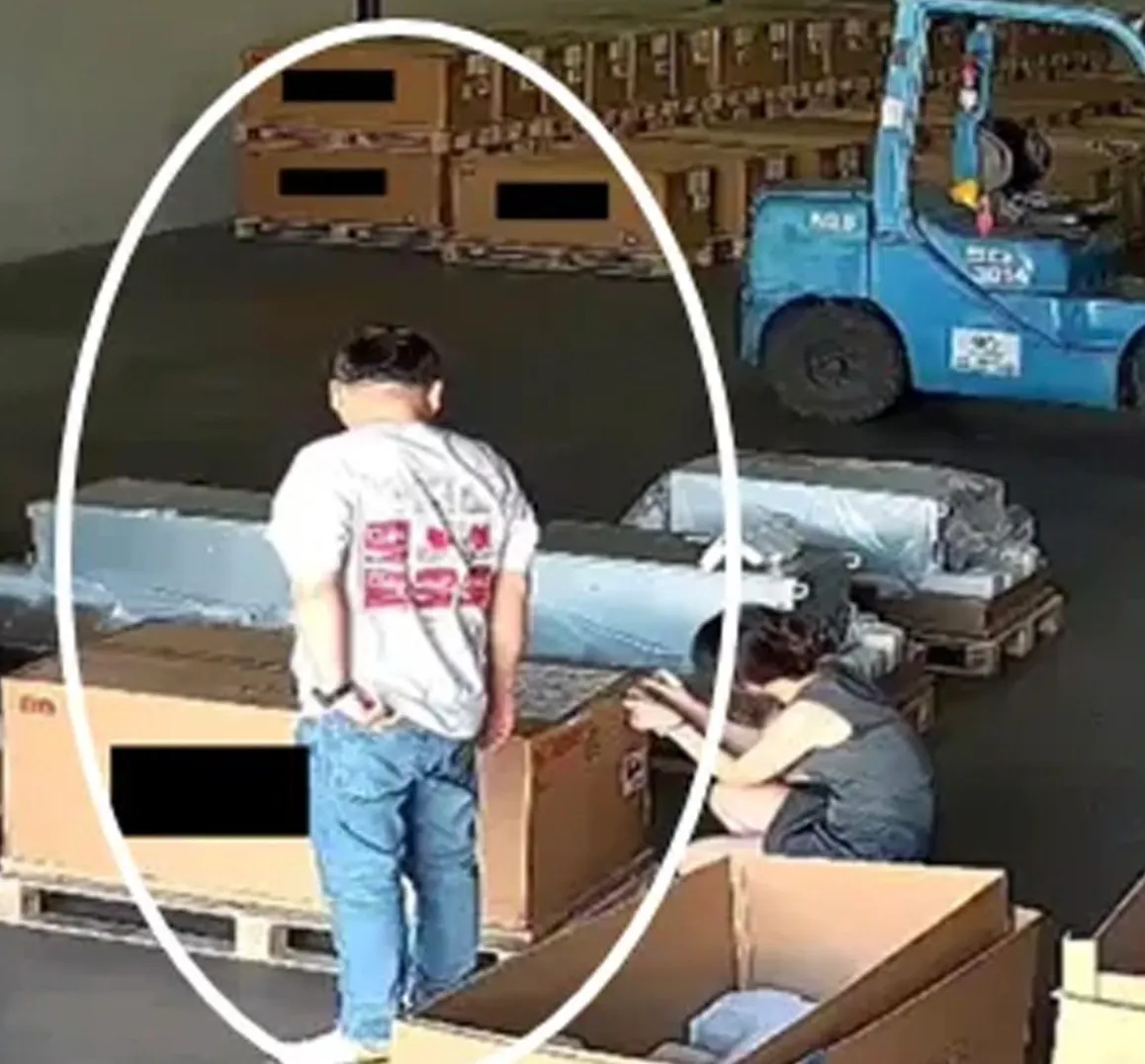
The US DOJ indictment against Supermicro (SMCI) reveals the extreme, hands-on measures taken to circumvent export controls. The billionaire founder was caught on camera personally using a hairdryer to swap serial number stickers from real servers to dummy units, highlighting the immense demand and profitability of smuggling AI chips to China.

TikTok's parent company, ByteDance, is circumventing U.S. export controls on advanced AI chips. It plans to access thousands of NVIDIA's powerful B200 Blackwell chips by partnering with a cloud provider in Southeast Asia, enabling AI development outside of mainland China.