Get your free personalized podcast brief
We scan new podcasts and send you the top 5 insights daily.
Harris highlights a moral illusion in autonomous driving safety: replacing human drivers with robots could eliminate 90 percent of vehicular deaths, yet society will fixate on and litigate the remaining 10 percent. He argues leaders should candidly defend net statistical improvements rather than misrepresenting system readiness.

Related Insights
A significant opponent to the adoption of autonomous vehicles is the trial lawyers' lobby. Their business model relies on accidents and injuries, so the increased safety of self-driving cars poses an existential threat to their revenue stream, leading them to actively lobby against the technology for nearly a decade.

The current debate around coordinating AI safety protocols mirrors the historical struggle to mandate seatbelts. Just as automakers and the public initially resisted the cost and inconvenience of seatbelts despite clear safety benefits, the AI industry now faces similar collective action problems and resistance.
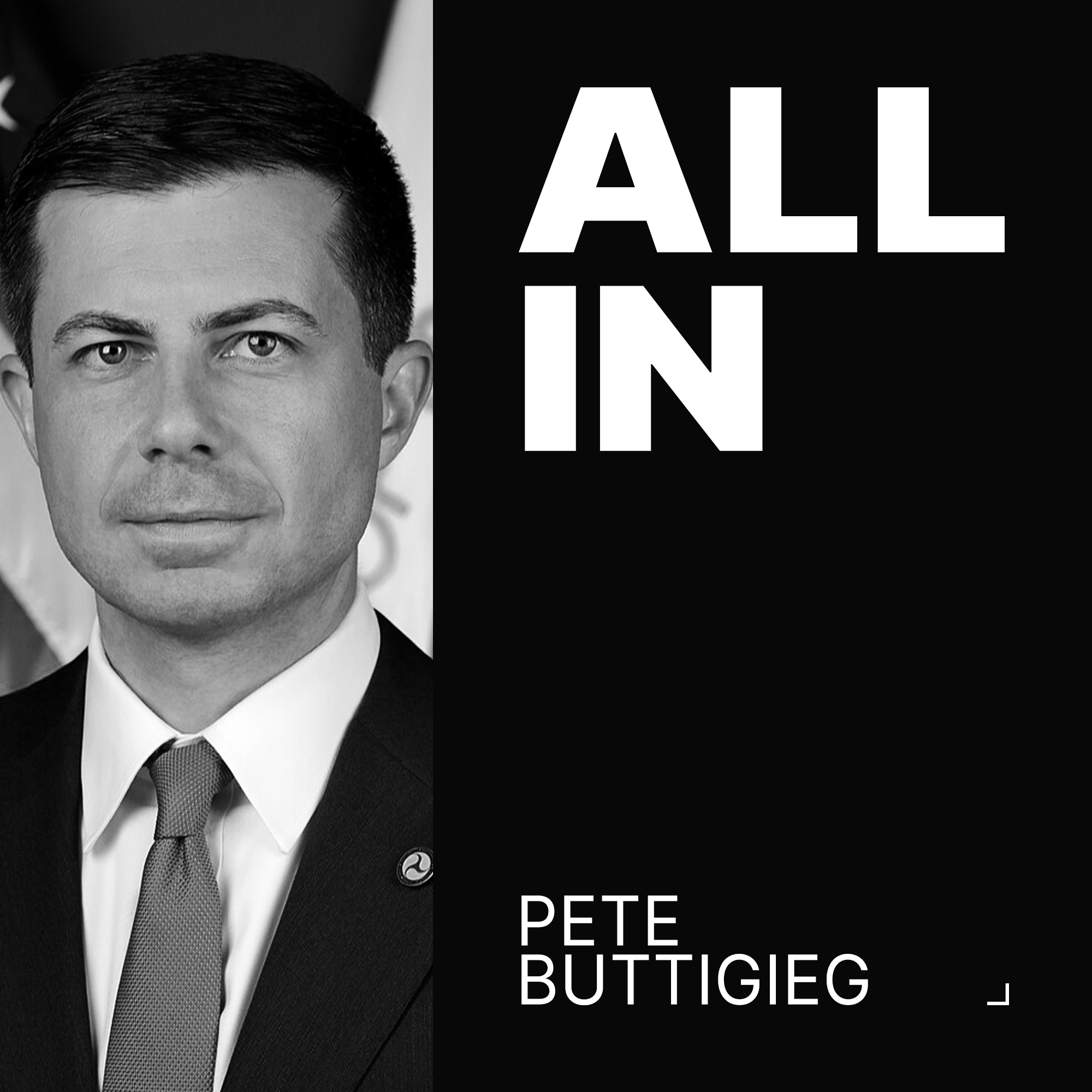
Buttigieg argues that while AVs can save thousands of lives, a conservative regulatory approach is paradoxically the fastest path to adoption. A handful of highly-publicized accidents can destroy public acceptance, so ensuring safety upfront is critical for long-term success, even if it slows initial deployment.
A technology like Waymo's self-driving cars could be statistically safer than human drivers yet still be rejected by the public. Society is unwilling to accept thousands of deaths directly caused by a single corporate algorithm, even if it represents a net improvement over the chaotic, decentralized risk of human drivers.

The debate over robo-taxi safety is flawed when comparing broad categories. While Waymo is ~5x safer than the average human driver, hyper-segmenting the data reveals specific human cohorts (e.g., a 60-year-old married woman in Massachusetts on a Tuesday) who still outperform the AI, highlighting the need for nuanced data analysis in AI performance claims.

Autonomous vehicles face a major adoption hurdle: society's zero-tolerance policy for algorithmic mistakes. While tens of thousands die from human driver errors annually, a single AI-caused death causes public outrage. This double standard creates an impossibly high bar for new technology deployment.
The public holds new technologies to a much higher safety standard than human performance. Waymo could deploy cars that are statistically safer than human drivers, but society would not accept them killing tens of thousands of people annually, even if it's an improvement. This demonstrates the need for near-perfection in high-stakes tech launches.

With Waymo's data showing a dramatic potential to reduce traffic deaths, the primary barrier to adoption is shifting from technology to politics. A neurosurgeon argues that moneyed interests and city councils are creating regulatory capture, blocking a proven public health intervention and framing a safety story as a risk story.

Dr. Wachter warns that public perception will unfairly judge AI errors against an impossible standard of perfection, not against the flawed human alternative. A single AI mistake will be magnified, overshadowing its superior overall safety record and risking a backlash that stalls progress in healthcare.

The lack of widespread outrage after a Waymo vehicle killed a beloved cat in tech-skeptical San Francisco is a telling sign. It suggests society is crossing an acceptance threshold for autonomous technology, implicitly acknowledging that while imperfect, the path to fewer accidents overall involves tolerating isolated, non-human incidents.