Get your free personalized podcast brief
We scan new podcasts and send you the top 5 insights daily.
A key lesson from BlackRock's history is that top modelers and engineers, if left unconstrained, will always consume enough computational resources to threaten the firm's finances. This was true with physical data centers and remains true in the elastic cloud era, making compute governance a critical function.

Related Insights
Unlike human-driven growth, which is limited by population and waking hours, AI agents can operate, replicate, and call each other endlessly. This creates a potentially infinite demand for compute infrastructure, far exceeding previous models and leading to massive, unpredictable strains on providers.

The excitement around AI often overshadows its practical business implications. Implementing LLMs involves significant compute costs that scale with usage. Product leaders must analyze the ROI of different models to ensure financial viability before committing to a solution.

The huge financial obligations AI companies incur to build data centers could create a powerful incentive to continue scaling, even if significant safety risks emerge. This economic pressure represents a structural tension between commercial imperatives and safety concerns.
Despite massive infrastructure investments, Greg Brockman believes demand for AI will consistently outstrip supply, leading to a long-term state of "compute scarcity." As AI tackles bigger problems like curing diseases, the appetite for computation will prove effectively infinite, making it a chronically scarce resource.

The shift to AI-driven development introduces a wildly unpredictable cost: token consumption. This expense could range from a minor line item to exceeding the entire engineering payroll, creating an unprecedented budgeting challenge for CFOs and threatening companies' profitability if not managed correctly.

While seemingly logical, hard budget caps on AI usage are ineffective because they can shut down an agent mid-task, breaking workflows and corrupting data. The superior approach is "governed consumption" through infrastructure, which allows for rate limits and monitoring without compromising the agent's core function.

The move away from seat-based licenses to consumption models for AI tools creates a new operational burden. Companies must now build governance models and teams to track usage at an individual employee level—like 'Bob in accounting'—to control unpredictable costs.

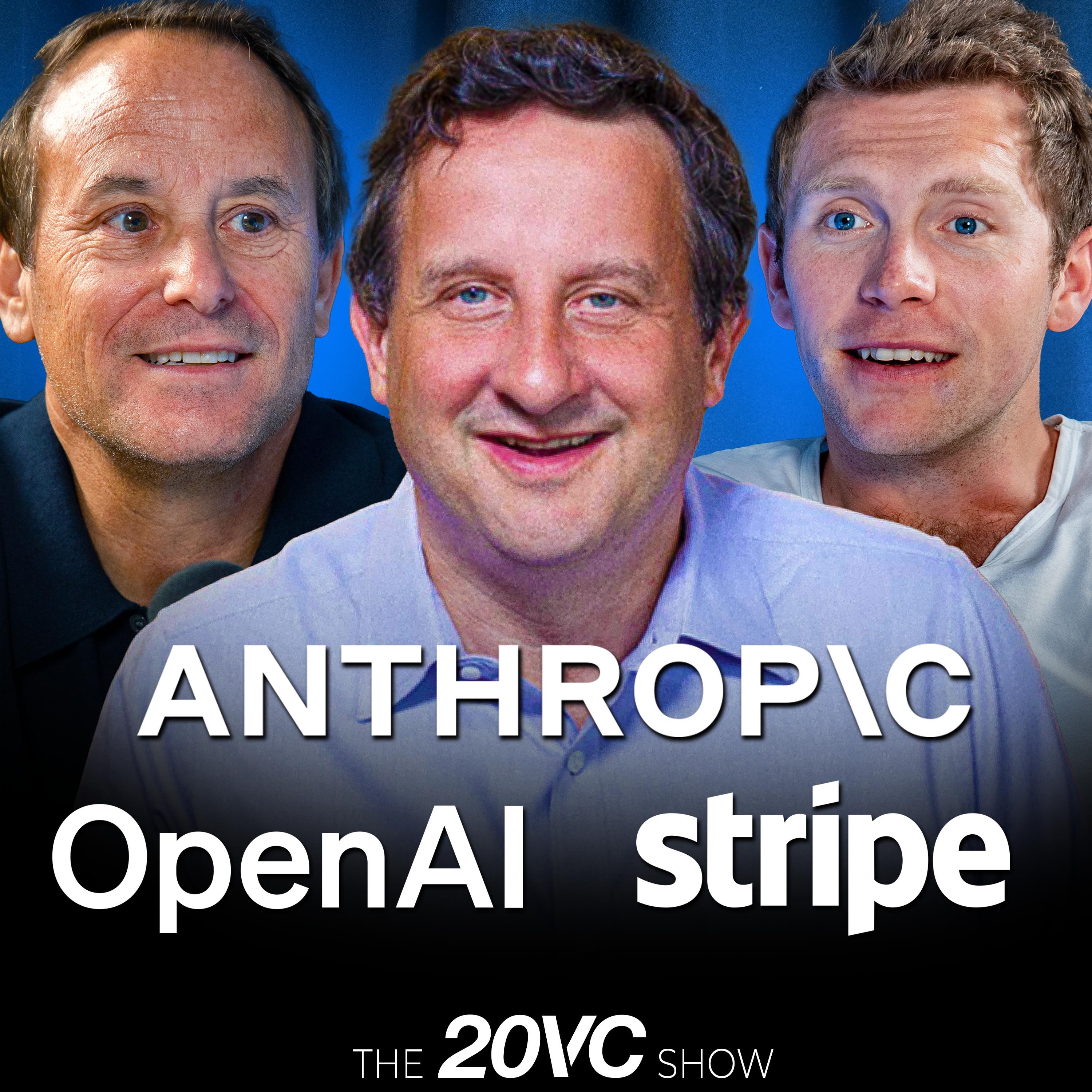
Despite a $380 billion valuation, Anthropic's CEO admits that a single year of overinvesting in compute could lead to bankruptcy. This capital-intensive fragility is a significant, underpriced risk not present in traditional software giants at a similar scale.
The common goal of increasing AI model efficiency could have a paradoxical outcome. If AI performance becomes radically cheaper ("too cheap to meter"), it could devalue the massive investments in compute and data center infrastructure, creating a financial crisis for the very companies that enabled the boom.
Paying a single AI researcher millions is rational when they're running experiments on compute clusters worth tens of billions. A researcher with the right intuition can prevent wasting billions on failed training runs, making their high salary a rounding error compared to the capital they leverage.
![Dylan Patel - Inside the Trillion-Dollar AI Buildout - [Invest Like the Best, EP.442] thumbnail](https://megaphone.imgix.net/podcasts/799253cc-9de9-11f0-8661-ab7b8e3cb4c1/image/d41d3a6f422989dc957ef10da7ad4551.jpg?ixlib=rails-4.3.1&max-w=3000&max-h=3000&fit=crop&auto=format,compress)