Get your free personalized podcast brief
We scan new podcasts and send you the top 5 insights daily.
A significant portion of today's global scams originate from compounds where individuals, often lured by fake job offers, are held against their will. They are subjected to abuse and forced to execute scams, essentially operating as modern-day slaves.

Related Insights
In modern scam operations, AI often makes the initial contact to test a target's susceptibility. If the person seems gullible, the call is transferred to a human operator. This conserves human resources and dramatically increases the volume and efficiency of scams.
Organized crime in Latin America is evolving as drug gangs diversify their portfolios into human trafficking. They repurpose existing infrastructure, such as corrupt official contacts and money laundering networks built for the cocaine trade, to run these new operations. This strategic shift has turned previously separate criminal networks into interconnected 'best friends.'
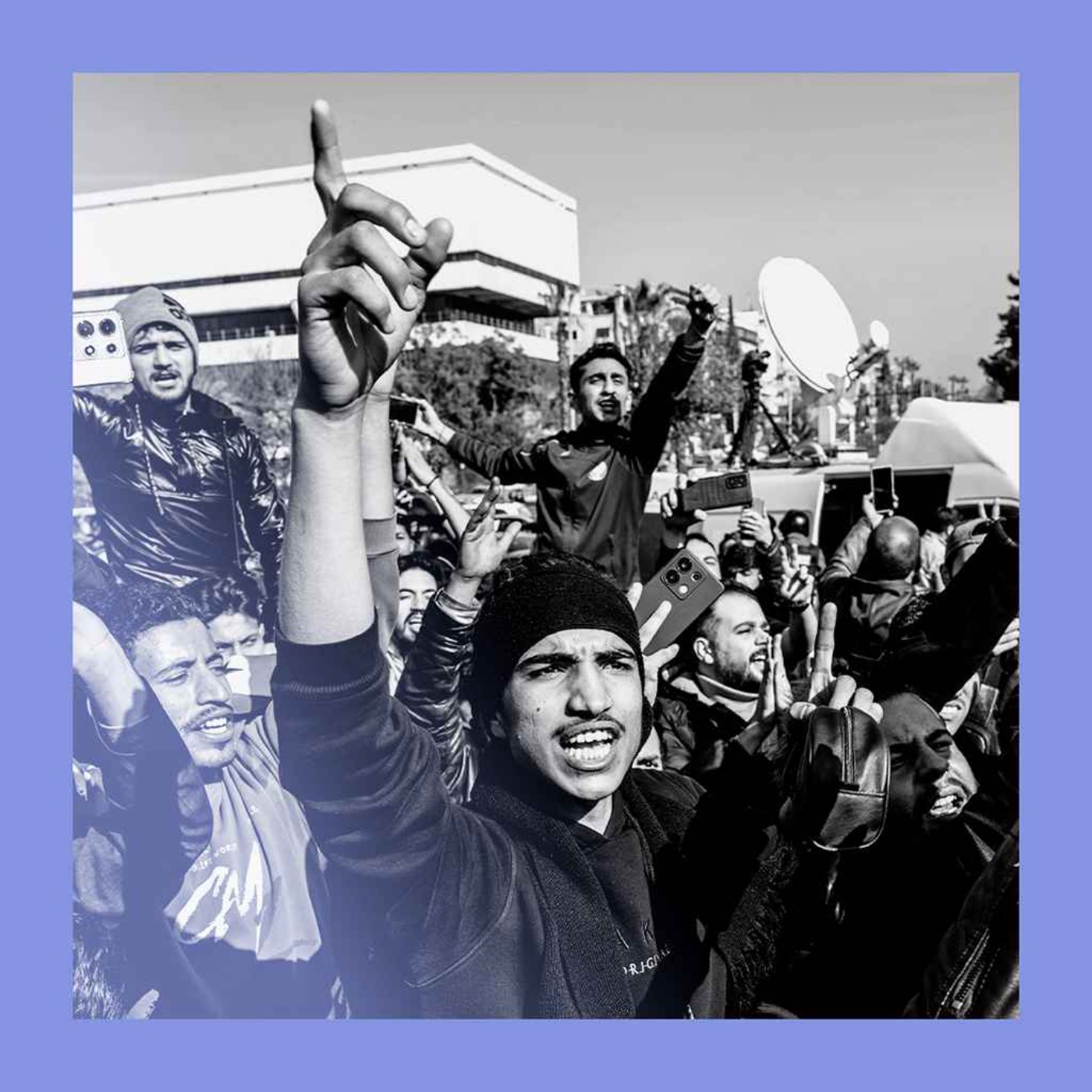
A former job developer reveals that meatpacking recruiters would explicitly request workers of specific nationalities, such as Burmese refugees. This was based on a belief that they were more docile and harder working than others, creating a discriminatory hiring pipeline that treats people as commodities.

Fraud rings often cluster ethnically not due to predisposition, but because they require extreme levels of trust for co-conspirators to remain loyal under threat of prison. This leverages pre-existing high-trust networks like family and community, an extreme version of how legitimate businesses also hire from trusted circles.

The problem of fake job applicants has escalated from an HR nuisance to a national security issue. State actors, like North Korea, are weaponizing AI to submit thousands of applications for remote IT jobs to infiltrate corporate systems, forcing companies to treat recruitment screening as a security function.

Unlike traditional religious cults, many new internet-based cults operate under the guise of wellness, life coaching, or healing. This approach exploded during the pandemic, attracting isolated individuals looking for meaning online and making the groups' true manipulative nature much harder to identify.

Sophisticated fraudsters exploit socio-political tensions by strategically deploying accusations of racism. This tactic is used to deter investigations, shame government actors into compliance, and secure a "free pass" to continue stealing hundreds of millions of dollars.
The pandemic accelerated traffickers' shift to online recruitment, which proved more effective for psychological control. Gangs use social media to build trust, gather personal details about victims and their families, and then use that information as leverage. This digital entrapment makes escape significantly harder, as victims face credible threats against their loved ones.
Even if slavery became inefficient for industrial production, its core appeal is its malleability. Throughout history, it has served timeless human desires for sexual exploitation, luxury status symbols (owning people), loyal servants, and even government bureaucrats. This adaptability makes it a threat in any economic system, including modern ones.
Online fraud has evolved into a massive shadow economy. The global scam industry is estimated to steal approximately $500 billion from victims worldwide each year, a figure that dwarfs many legitimate industries and highlights the significant, and often underestimated, economic threat posed by digital fraudsters.
