Get your free personalized podcast brief
We scan new podcasts and send you the top 5 insights daily.
After the Shark Tank episode aired, retailers like Bed Bath & Beyond and Walmart, who had previously been unreachable, immediately called to place orders. The national exposure and Lori Greiner's endorsement provided the critical credibility needed to get into major stores.

Related Insights
A $500,000 ad placement with Mr. Beast generated only about $400,000 in direct revenue, making it initially unprofitable. However, the immense brand credibility gained from the association enabled so many future deals that the investment became profitable through these second-order effects.

Getting into one local Whole Foods wasn't just a sale; it was a key. Travis immediately leveraged that single, high-credibility placement to persuade other local retailers to carry his product. He understood that one prestigious "yes" acts as powerful social proof, creating a domino effect for distribution.
While the celebrity beverage market is crowded, a key advantage for stars like Ben Stiller is direct access to retail executives. A-list fame ensures that a call to the CEO of a major chain like Walmart will be taken, potentially fast-tracking distribution deals that would take a typical startup years to secure.

Despite being in market for six years, Repurpose's mass adoption only happened after a viral cultural event (the turtle with a straw) created widespread consumer awareness about plastic pollution. This highlights how niche brands can be catalyzed by external shifts in public consciousness.

When first placed in a grocery store, Scrub Daddy sold zero units because customers didn't understand it. Sales only took off when Krause performed live demos with hot and cold water. This proves that truly novel products require demonstration to overcome consumer habits.
Unable to get retailers' attention, Krause pitched a positive business story to the Philadelphia Inquirer. The resulting front-page article was seen by a QVC broker, who then provided the first national platform for the product, bypassing traditional retail gatekeepers.
To get into a major retailer, don't just prove your product sells. Show buyers data that you bring new customers to their category, growing the entire market rather than just cannibalizing sales from existing brands on the shelf.
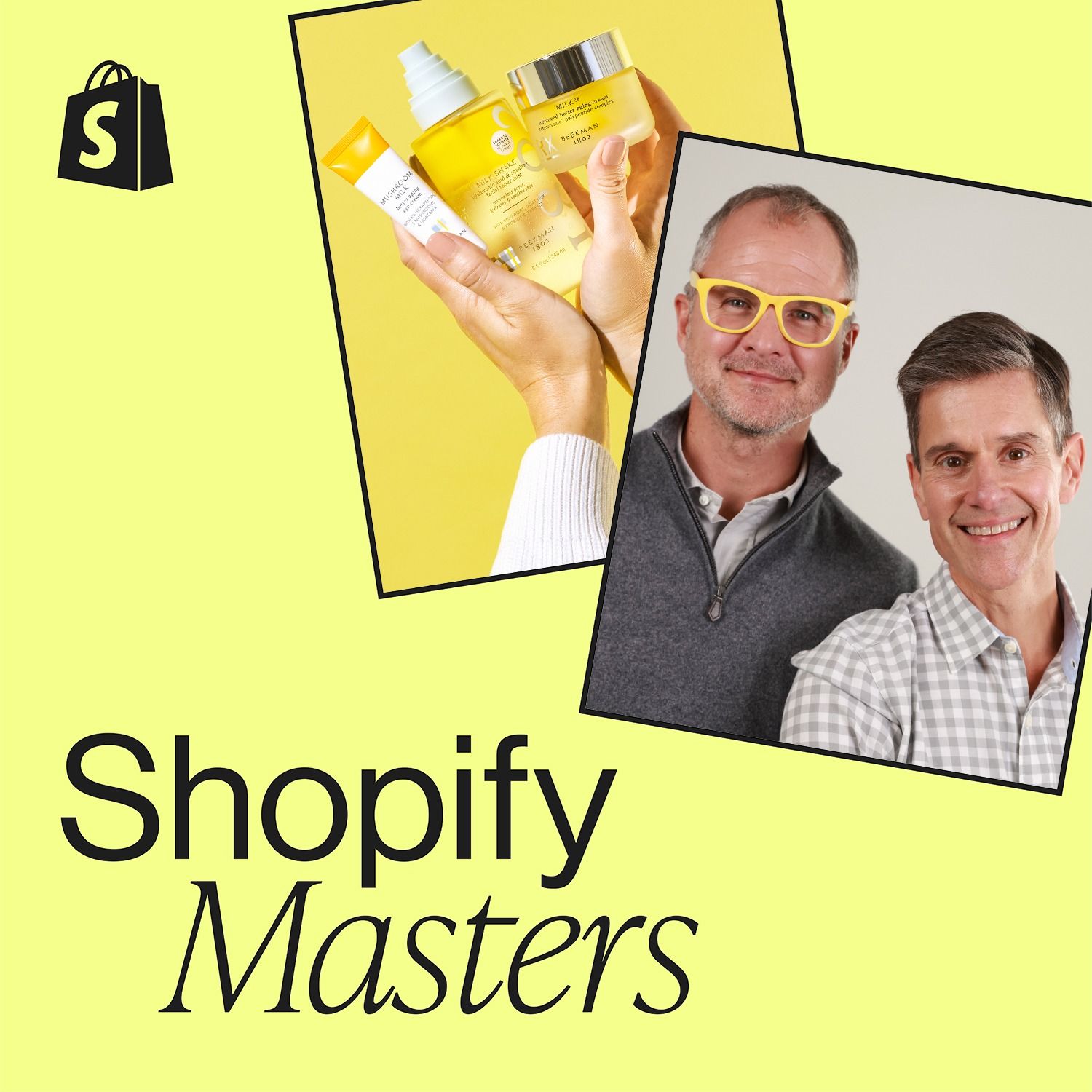
Co-founder Brent Ridge personally staffed a small table at luxury retailer Henri Bendel for six straight weeks. This high-touch, in-person effort allowed him to tell his story directly, which attracted a buyer from Anthropologie and an editor from Vanity Fair, catapulting the brand's growth.
Bonafide Health expanded into Target and Amazon first ("physical availability") but found it's a "hard sell" if shoppers don't recognize the brand. They are now using TV to build brand recognition ("mental availability") to support their retail presence, reversing the traditional brand-first approach.

Contrary to popular belief, a celebrity wearing your product is not a golden ticket for sales. Heaven Mayhem's founder reveals that even massive celebrity placements often result in zero direct sales lifts. The true value is the long-term "halo effect" that boosts brand credibility and perception over time.