Get your free personalized podcast brief
We scan new podcasts and send you the top 5 insights daily.
Bill Perkins argues that spending on experiences is an investment that pays a 'memory dividend.' Unlike material goods which depreciate, memories of experiences can be relived and gain value over time, providing lasting happiness and fulfillment that compounds.
Related Insights
A consistent pattern among wealthy founders reveals that worthwhile purchases enhance life by creating more time, improving health, and fostering calm. In contrast, purchases focused on status items like cars and watches are often regretted because they add complexity and responsibility without improving well-being.

The joy derived from luxuries comes from the contrast with everyday life. A private chef's five-star meal becomes mundane when served daily. By keeping your baseline simple, you amplify the pleasure of occasional splurges, making them more memorable and impactful than constant indulgence.

When money is tight, people desire material possessions. However, once they achieve true financial freedom, the desire for 'stuff' often vanishes. The focus shifts entirely to non-material assets like experiences, health, and quality time.

True risk isn't about market downturns; it's about making choices today that you will regret in the future. This applies to spending too much (regretting debt) and saving too much (regretting unlived experiences). This reframes financial decisions around long-term personal fulfillment.
People mistakenly chase happiness through spending, but happiness is a temporary emotion, like humor, that lasts only minutes. The more achievable and durable goal is contentment—a lasting state of being satisfied with what you have. Aligning spending to foster long-term contentment, rather than short-term happiness, is key to well-being.

Humans derive more satisfaction from progress and growth than from a static state of being. The journey of building wealth—the striving, learning, and overcoming challenges, especially with a partner—is often more rewarding and memorable than the destination of simply possessing wealth.
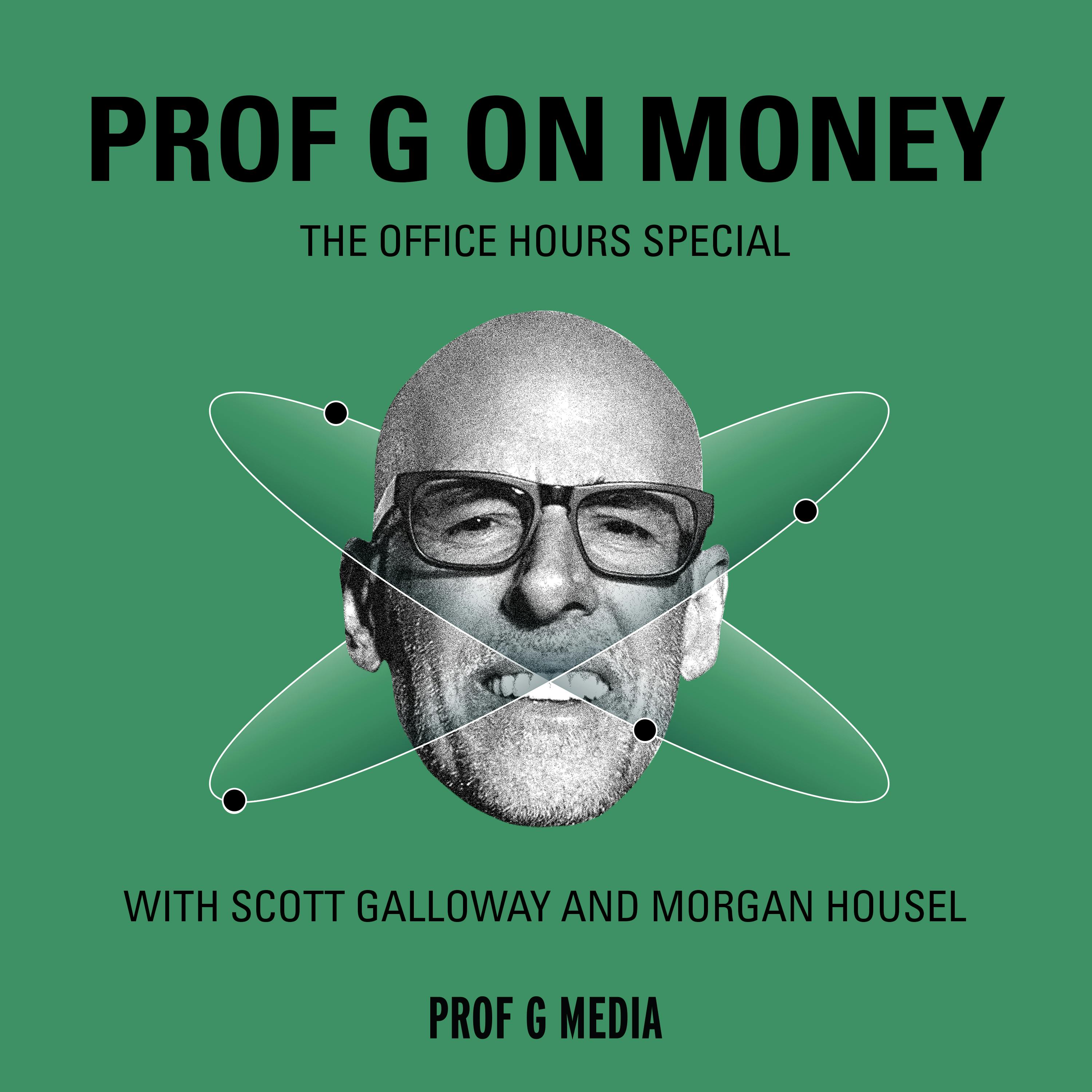
Tusk intentionally loses $1M/year on a bookstore, viewing it as an A/B test against spending the same on private flights. The bookstore provides meaning, purpose, and social affirmation—an 'abundance' return on happiness—that far outweighs the 'zero-sum' convenience and status of luxury travel.
The key difference between selling an experience and a transformation lies in its lasting value. An experience provides a memorable moment ('time well spent'), but a transformation provides a durable change that yields future dividends ('time well invested'), clarifying the ultimate outcome a business should sell.

Possessions can be viewed as assets that pay "life dividends." This concept reframes value beyond financial returns, accounting for the emotional and memorable experiences an item provides, such as a dress worn at a wedding. These moments are a form of non-cash, emotional return on investment.

One speaker's best investment wasn't in stocks but in moving to a new city, simplifying his life, and being closer to family. This emotional investment yielded significant returns in happiness and well-being, highlighting that not all valuable investments are financial.
