Get your free personalized podcast brief
We scan new podcasts and send you the top 5 insights daily.
A cultural gap exists where many European academics focus on immediate research rather than engaging with the investment community. This contrasts with the US, where entrepreneurialism is more ingrained, leading to more successful academia-to-industry transitions.

Related Insights
The UK produces world-class academic discovery but struggles to create scalable biotechs. The primary reason is a lack of venture capital with an appetite for the inherent risks of life sciences, forcing promising UK innovations to move to the US to secure funding.

The huge funding gap for European biotech is structural. European institutional investors like pension funds allocate only 0.02% of their balance sheets to venture, compared to 2% in the US. This factor-of-100 difference creates a major hurdle for the ecosystem's ability to retain its champion companies.
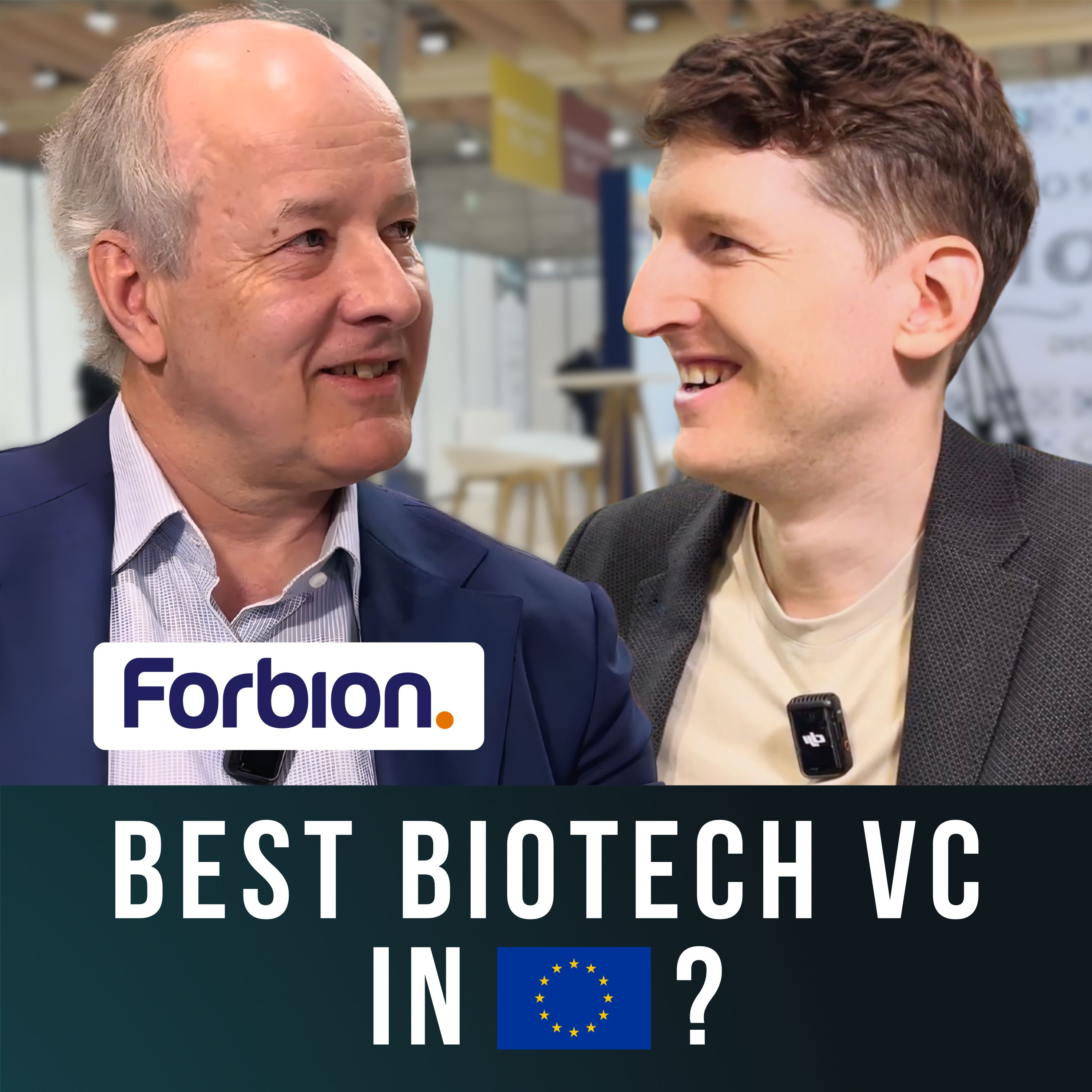
Europe generates scientific output and IP comparable to the US but fails to translate it into successful companies at the same rate. Key challenges include a lack of deep capital markets, a lower cultural risk appetite, and a smaller talent pool, pushing many promising European biotechs to seek funding and IPOs in the US.
UiPath's CEO argues that Europe possesses the foundational talent (top AI researchers) and technology (ASML) to lead in tech. However, a risk-averse culture and slower decision-making makes it an uncompetitive environment compared to the US, forcing top entrepreneurs to relocate to succeed.

The US biotech ecosystem thrives because failure is viewed as a valuable learning experience. In contrast, European culture often penalizes entrepreneurs from failed startups, creating a more risk-averse environment that stifles innovation and limits the pool of experienced operators who are willing to try again.

The U.S. excels at innovation because its culture is defined by a frontier mentality where wealth can be created ("growing the pie"). This contrasts with the general European view of a fixed-sized pie, where wealth is often seen as inherited or stolen. This abundance mindset is a key engine of American entrepreneurship.

Germany's tech stagnation is cultural, not a talent issue. A post-war mindset prioritizes safety over audacity, a fact evident in its language; "Venture Capital" (adventure) becomes "Risikokapital" (risk capital), focusing on the downside and stifling the ambitious projects that drive progress.

A key cultural difference exists between US and UK biotech ecosystems. The UK defaults to a more 'realistic' path of selling to pharma within a few years, whereas the US venture scene is more supportive of the grand ambition to build large, independent, generational companies.

Prof. Kyunghyun Cho contrasts the "isolated" research styles in Korea and Finland with North America's, which he describes as an "extremely collective affair." He believes the constant influx of global talent automatically fosters a collaborative environment that accelerates innovation, a model he aims to replicate.

France has world-class scientific talent and basic research, often originating groundbreaking IP like that behind Bluebird Bio. However, the ecosystem struggles to translate these innovations into large commercial entities due to structural issues like corporate governance and less favorable employee equity incentives, causing many innovations to be commercialized abroad.