Get your free personalized podcast brief
We scan new podcasts and send you the top 5 insights daily.
The U.S. is unique among developed nations for granting judges life tenure. While intended to ensure independence, this practice incentivizes justices to strategically retire under a politically aligned president, injecting politics into the end of their careers just as it exists at the beginning.
Related Insights
When government officials like Fed Chair Powell face legal action from the administration, they cannot use agency funds for their defense. This high personal financial burden creates a powerful chilling effect, scaring qualified individuals away from government roles and encouraging resignations.

The argument for term limits isn't just about constitutional law; it's a fundamental recognition of human psychology. Power corrupts, and leaders who stay too long become convinced only they are right. The system is designed to forcibly introduce new perspectives and prevent the slide into tyranny, regardless of a president's popularity.

The tenure system in academia is criticized for allowing unproductive senior faculty to remain in their positions indefinitely, often long after their most impactful work is done. This blocks opportunities for younger academics and stifles innovation, as there is no mechanism to remove underperforming but tenured staff.

The Supreme Court is systematically dismantling laws that protect heads of independent agencies (like the CFPB and FTC) from being fired at will. This aligns with the "unitary executive theory," concentrating power in the presidency and eroding the apolitical nature of regulatory bodies.

The arguments to allow presidential firing of FTC commissioners create a slippery slope that threatens other independent, multi-member bodies. This logic could extend to the Federal Reserve's Board of Governors, potentially politicizing U.S. monetary policy—an outcome so significant that even the court's conservative justices appear wary of its implications.
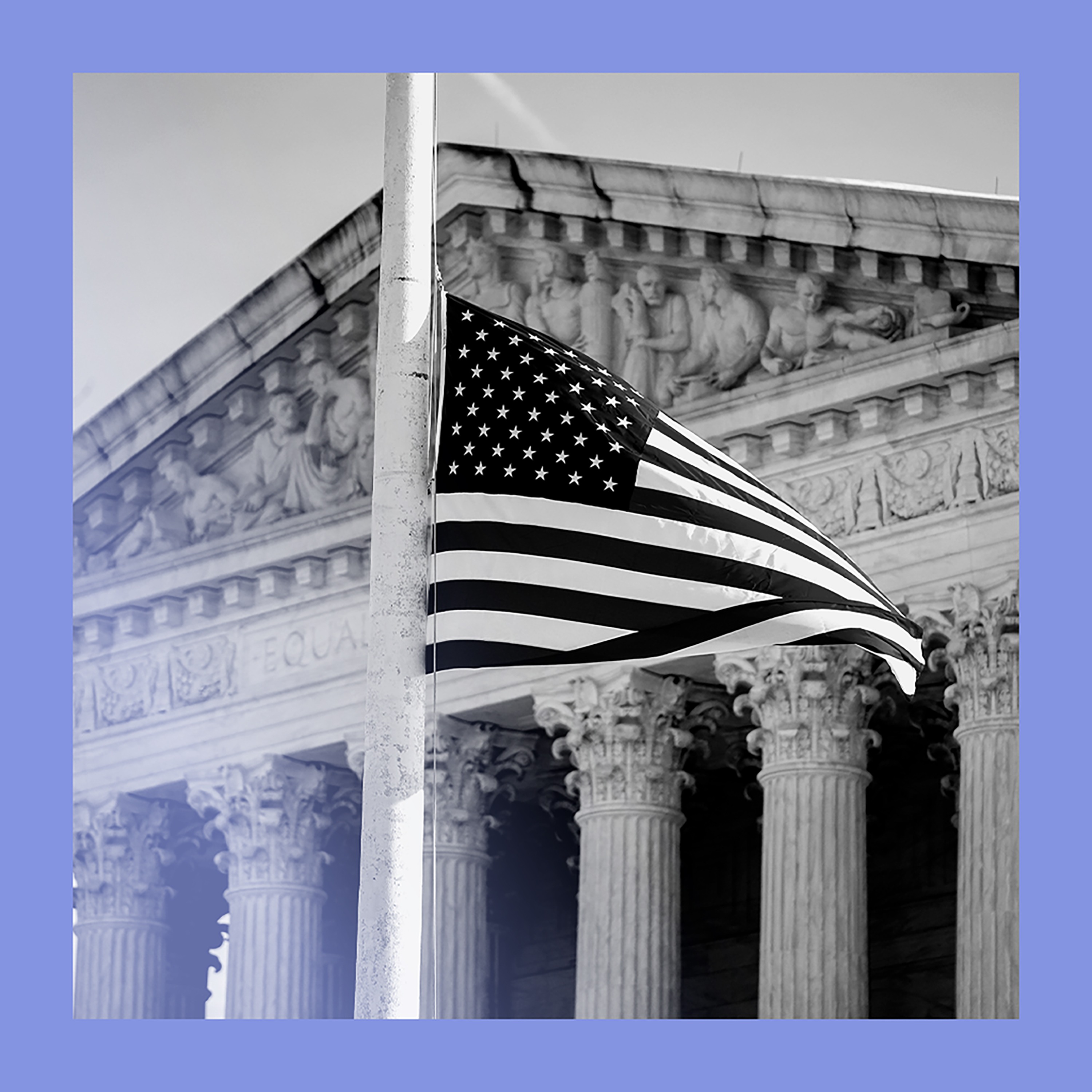
Viewing the Roberts Court as a single, unbroken entity is misleading. Its early phase was a 5-4 court where Justice Kennedy often sided with liberals, creating a sense of balance. His retirement and the appointment of three Trump justices created a new, more predictably conservative and lopsided era.
The US has historically benefited from a baseline level of high competence in its government officials, regardless of party. This tradition is now eroding, being replaced by a focus on loyalty over expertise. This degradation from competence to acolytes poses a significant, underrecognized threat to national stability and global standing.

Financially independent politicians have an "escape hatch" unavailable to careerists. When faced with intense political pressure, isolation from their party, and public attacks, they can simply choose to leave. The misery of politics is judged against the alternative of a comfortable life, making resignation a constant temptation.

The alleged plan for Donald Trump to become the lifetime head of a new global 'board of peace' highlights a dangerous precedent. It shows how a sitting president can leverage the power of their office to create a permanent, influential political role for themselves as a private citizen.

An increasing number of Supreme Court justices previously clerked for the Court, with several directly succeeding the justice they once worked for. This trend suggests a self-perpetuating system where retiring justices may influence the White House to appoint their "favorite clerk," creating a dynamic akin to an inherited title.