Get your free personalized podcast brief
We scan new podcasts and send you the top 5 insights daily.
The CFO reveals that even major consulting firms hired to advise on AI strategy are "new to this game" and learning as they go. This signals that enterprise AI is so nascent that proven expertise is scarce, and companies must build their own internal capabilities rather than solely relying on external advice.

Related Insights
The AI landscape is so new that even experts at top tech companies are still figuring out the winning patterns. This reality should empower teams to experiment without fear of being "behind," as the key is to start learning, not to have all the answers.

The future consulting model may flip traditional roles. Instead of hiring firms for primary analysis, organizations could develop their own 'agentic AI' for strategy creation and use external human experts simply to validate the AI's output, relegating consultants to a secondary role.

Unlike previous tech waves driven by system integrators, large companies are rejecting the model of outsourcing their AI strategy. According to Tessera Labs' CEO, CIOs now demand to own their AI platforms and build in-house expertise. The goal is to gain direct leverage and control over their AI journey, not rent it from consultants.

Contrary to the belief that AI will eliminate consulting, labs like OpenAI are acquiring consulting firms. This is because large companies need significant human-led projects to integrate AI into existing systems and workflows, a task they aren't staffed to handle internally.

The true enterprise value of AI lies not in consuming third-party models, but in building internal capabilities to diffuse intelligence throughout the organization. This means creating proprietary "AI factories" rather than just using external tools and admiring others' success.
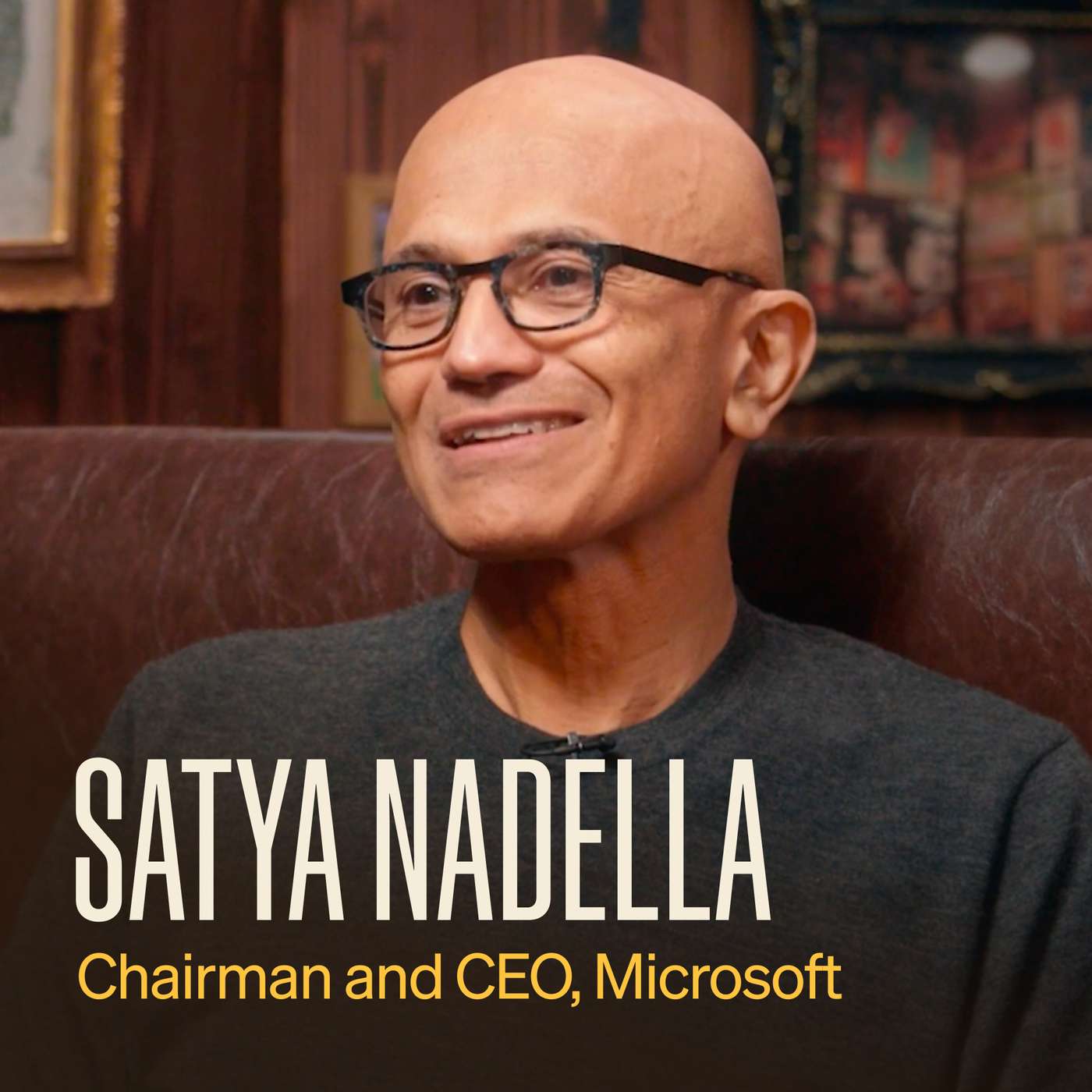
According to an MIT report, enterprise AI projects led by external vendors are twice as likely to succeed as those built by internal teams. This is primarily due to a talent gap, as top-tier AI engineers and developers are concentrated in startups, not large corporations.

Enterprises often default to internal IT teams or large consulting firms for AI projects. These groups typically lack specialized skills and are mired in politics, resulting in failure. This contrasts with the much higher success rate observed when enterprises buy from focused AI startups.
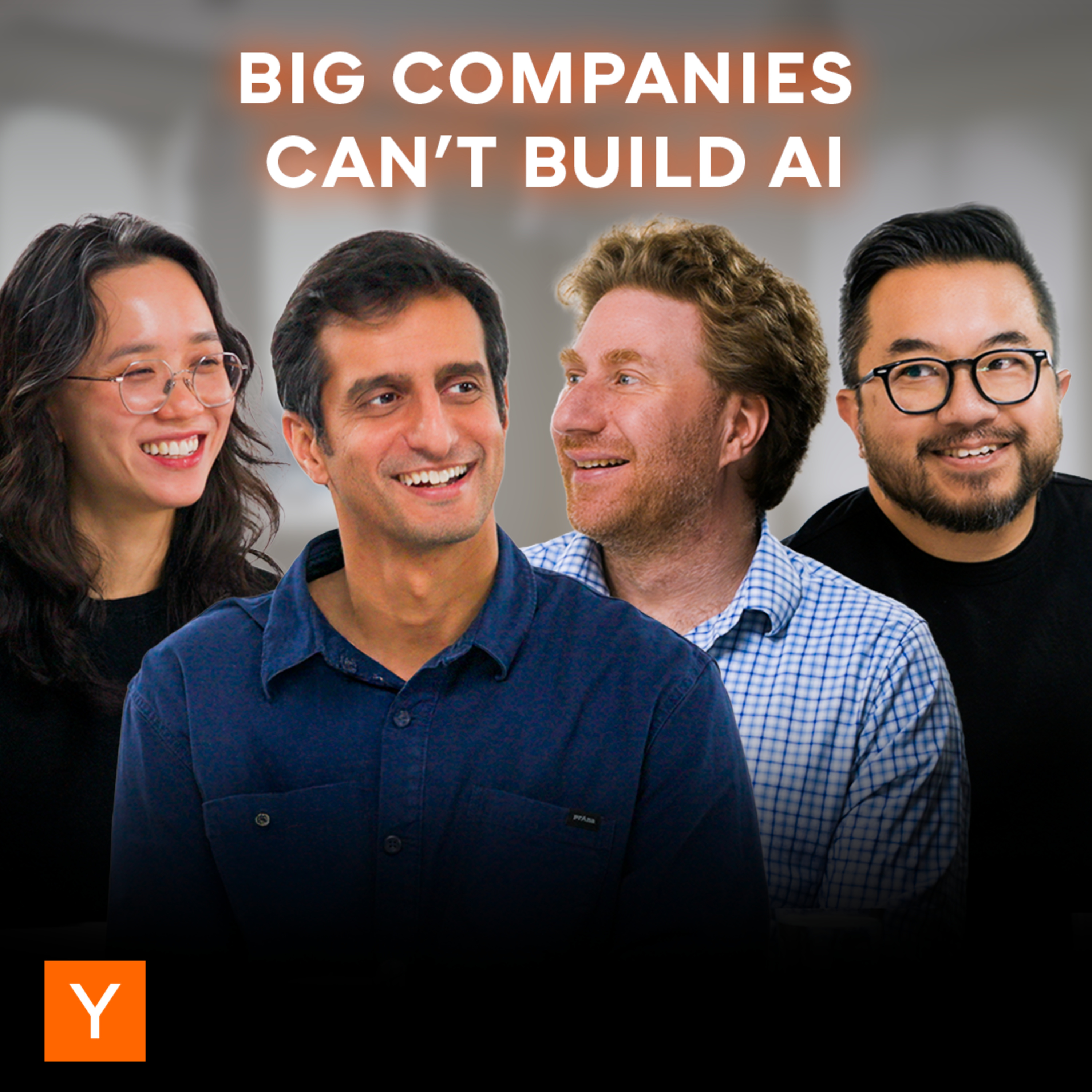
With AI tools being so new, no external "experts" exist. OpenAI's Chairman argues that the individuals best positioned to lead AI adoption are existing employees. Their deep domain knowledge, combined with a willingness to learn the new technology, makes them more valuable than any outside hire. Call center managers can become "AI Architects."
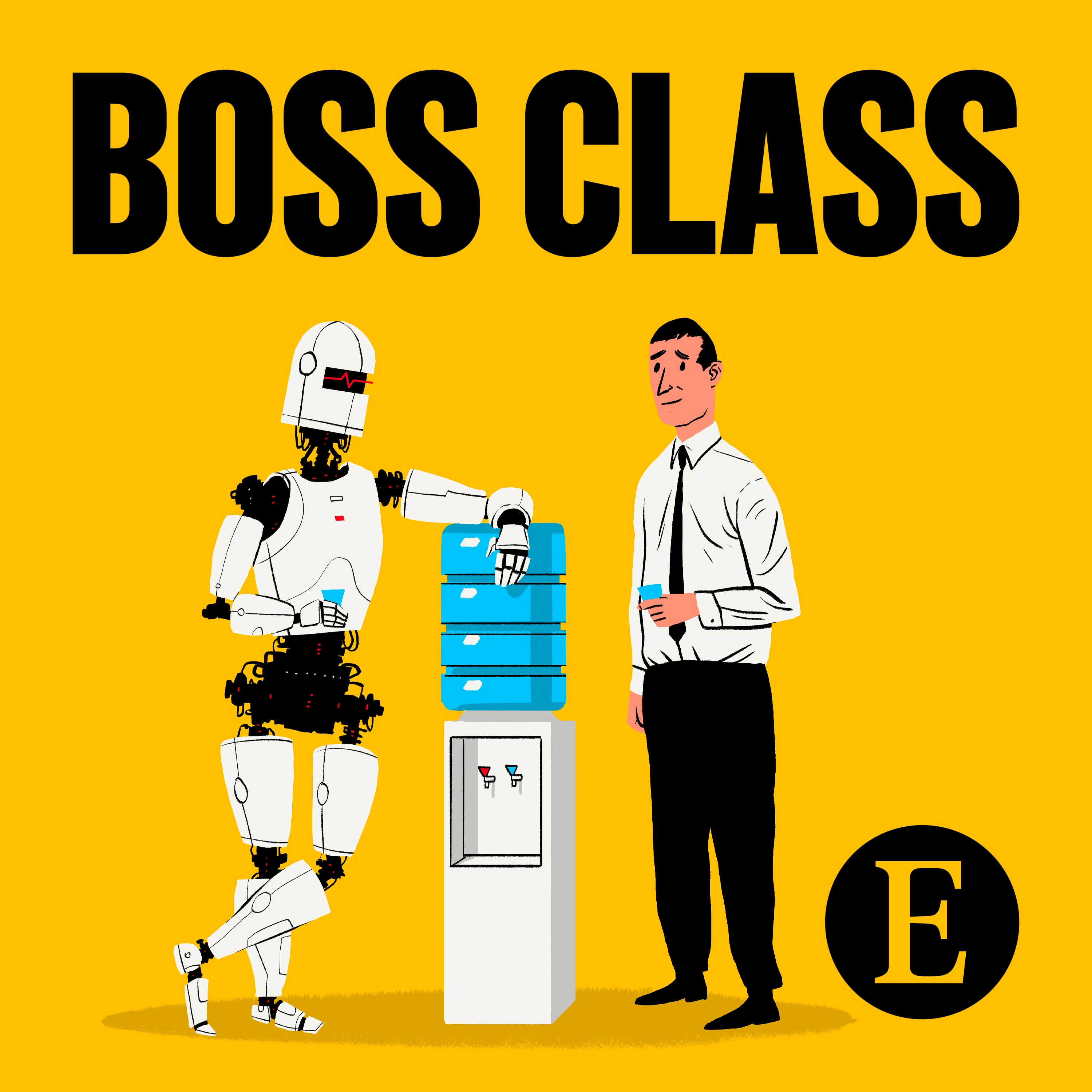
Leading AI labs are launching massive consulting ventures because they realize selling powerful models isn't enough. Enterprise adoption requires deep, hands-on organizational transformation, a 'last mile' problem that technology alone can't solve, forcing a shift into services.

The theoretical power of AI models is hitting the wall of real-world corporate inertia. In response, labs like OpenAI and Anthropic are building massive consulting practices, a tacit admission that intensive, human-led integration work—not just better models—is essential to bridge the capability gap within enterprises.