Get your free personalized podcast brief
We scan new podcasts and send you the top 5 insights daily.
Disciplined market leaders like Netflix operate under public market pressure to maintain profitability, turning financial responsibility into a potential vulnerability against subsidized competitors. Backed by billions in family wealth, Skydance's David Ellison can play the 'crazy guy' in Hollywood, overpaying for assets, taking massive structural debt, and absorbing prolonged financial losses that rational, profit-driven incumbents simply cannot endure.

Related Insights
Being perceived as a 'crazy' visionary who makes audacious, unforeseeable bets is not just a personality trait but a potent competitive weapon. When a figure like Masayoshi Son backs a company with immense capital, rational competitors often fold rather than fight an unpredictable force.

Backed by Oracle's wealth, Skydance's core strategy wasn't just making blockbusters. It was a financial and cultural arbitrage play. It aimed to exploit Hollywood's tendency to take advantage of outside investors by leveraging Silicon Valley's immense capital to command respect and fundamentally alter the power dynamic.

Legacy Hollywood studios increasingly prioritize low-risk, predictable franchises and four-quadrant superhero sequels designed to appeal to everyone. This systemic aversion to risk opened up an opportunity for studios like A24 to acquire and produce original, edgy screenplays at low costs with minimal competition. By intentionally catering to underserved audiences with distinctive content, alternative studios build fierce brand loyalty and outsized cultural relevance.

The Ellison family is leveraging its fortune to acquire Warner Bros. as an accelerant, aiming to quickly achieve the scale and content library that took Netflix over a decade to build. They are choosing to buy market position rather than build it, accepting massive debt as the cost of speed.
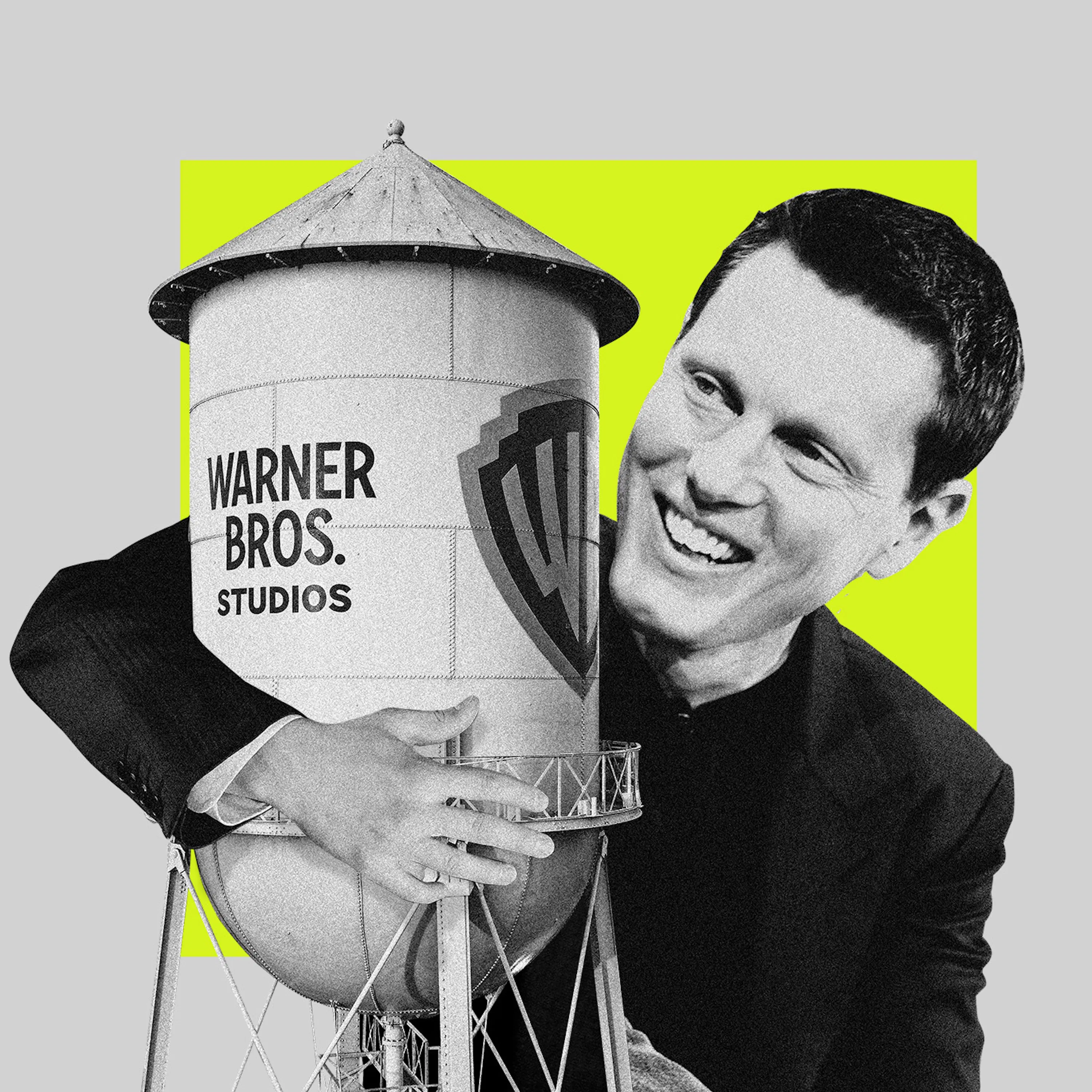
The public markets offer a unique advantage over staying private indefinitely: discipline during transitions. Daily stock prices and investor scrutiny force management to confront hard truths and balance growth, profitability, and innovation. As seen with Netflix's pivot to streaming, this pressure is crucial for realigning employee incentives and making tough capital decisions during strategic shifts.

Netflix's disciplined exit from the Warner Bros. bidding war is a strategic long play. By avoiding overpayment, they are betting that the winner (Paramount/Skydance) may struggle with the acquisition, potentially allowing Netflix to acquire desirable assets more cheaply in the future.

In the Warner Bros. Discovery bidding war, Netflix strategically drove up the price. This forced its rival, Paramount, to take on massive debt to win the deal, while Netflix walked away with a multi-billion dollar termination fee, weakening two competitors in one move.

The narrative of scrappy innovation via the Spotify Model is revisionist history. The company had access to over $2 billion in cheap capital, allowing it to burn money, absorb costs, and outlast competitors—a luxury most companies attempting to copy its structure do not have.

While Netflix is a market leader, its uncharacteristic pursuit of a massive M&A deal suggests its organic growth model may be reaching its limits, forcing it to acquire legacy assets and IP to maintain dominance.

Netflix's decision to exit the Warner Brothers bidding war was a strategic masterstroke. It saddled a rival with a debt-heavy deal, netted Netflix a massive breakup fee, and was rewarded by the market with a $100B surge in valuation, demonstrating the power of M&A discipline.
