Get your free personalized podcast brief
We scan new podcasts and send you the top 5 insights daily.
Odysseus's fabricated backstories contain details, like fighting as a mercenary in Egypt, that belong to Homer's time, not the Bronze Age setting. This anachronism, combined with his claim of being from Crete (known for liars), serves as a subtle cue that he is inventing a tale.

Related Insights
Far from a passive victim, Helen is depicted as having supernatural powers and a dual loyalty. She aids Odysseus but also tries to trick the Greek heroes inside the Trojan horse by mimicking their wives' voices, revealing a complex, untrustworthy character.
It is ambiguous whether Penelope is fooled by Odysseus's beggar disguise. Her final plan for the bow contest perfectly facilitates his revenge, hinting that she may have recognized him and is playing her own strategic game, matching her husband's cunning.
After 20 years, the hero's homecoming is not triumphant. He is delivered to Ithaca while asleep, unceremoniously placed on a beach, and wakes up alone and confused. This subverts the expected climax of a heroic return, emphasizing his isolation and the challenges still ahead.
In a move of supreme confidence, Austen sometimes concludes a chapter with a definitive statement from a character's perspective that the reader must discern is completely false. The line 'Her power with him was gone forever' in 'Persuasion' is the opposite of the truth, a trick that rewards attentive readers.
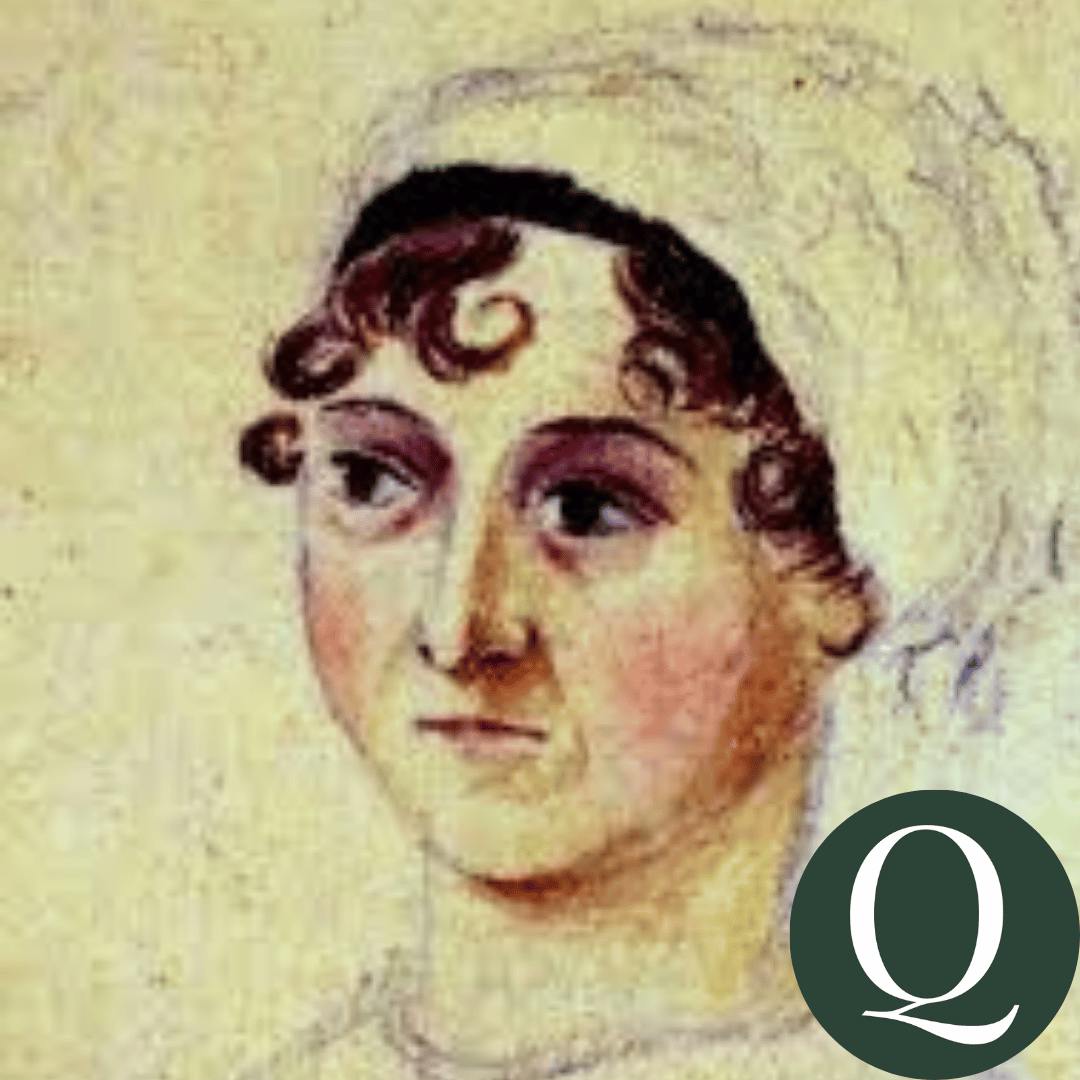
A coherent picture of a person is built from heterogeneous, often contradictory, elements. Readers find this more convincing because it mirrors real life; everyone we know is contradictory. Instead of forcing a simple narrative, revealing inconsistencies makes a character feel more authentic and human.

The epic's most famous adventures are not told chronologically but as a story-within-a-story narrated by Odysseus himself. This sophisticated flashback structure, where the protagonist recounts his own mythic deeds, is a technique often seen in contemporary filmmaking.
The Phaeacians are depicted as an ideal society with a perfect climate and fantastical, labor-saving technology. This includes robotic guard dogs and self-sailing ships powered by a form of artificial intelligence, blending myth with concepts that echo modern science fiction.
C.S. Lewis's concept of 'chronological snobbery' warns against assuming past generations were inherently more ignorant or foolish. Ancient people understood basic scientific principles (like the requirements for pregnancy) even without modern terminology, and their accounts shouldn't be dismissed as naive.

The language of Homer's epics was not a naturally spoken dialect but an artificial blend constructed over centuries. This allowed diverse Greek regions to understand the poems and feel their linguistic heritage was represented, creating a powerful, unifying cultural product for a decentralized world.

The epic’s resolution includes the brutal punishment of those deemed disloyal. Twelve servant girls who slept with the suitors are forced to clean the massacre's aftermath before being publicly hanged, a fate analogous to the historical treatment of female collaborators in wartime.