Get your free personalized podcast brief
We scan new podcasts and send you the top 5 insights daily.
Unlike dot-com leaders who maintained huge leads, OpenAI was quickly matched by Google's Gemini. This suggests AI models lack the strong, durable network effects of past tech giants, leaving the market open for new winners to emerge, much like Google unseated Yahoo.

Related Insights
Just as Microsoft's Internet Explorer crushed first-mover Netscape, Google's Gemini is poised to overtake ChatGPT. Gemini's access to Google's vast proprietary data from Search and YouTube gives it an insurmountable advantage, making its eventual dominance over OpenAI seem inevitable.

OpenAI, the initial leader in generative AI, is now on the defensive as competitors like Google and Anthropic copy and improve upon its core features. This race demonstrates that being first offers no lasting moat; in fact, it provides a roadmap for followers to surpass the leader, creating a first-mover disadvantage.

Marc Andreessen observes that once a company demonstrates a new AI capability is possible, competitors can catch up rapidly. This suggests that first-mover advantage in AI might be less durable than in previous tech waves, as seen with companies like XAI matching state-of-the-art models in under a year.

Google's Gemini models show that a company can recover from a late start to achieve technical parity, or even superiority, in AI. However, this comeback highlights that the real challenge is translating technological prowess into product market share and user adoption, where it still lags.
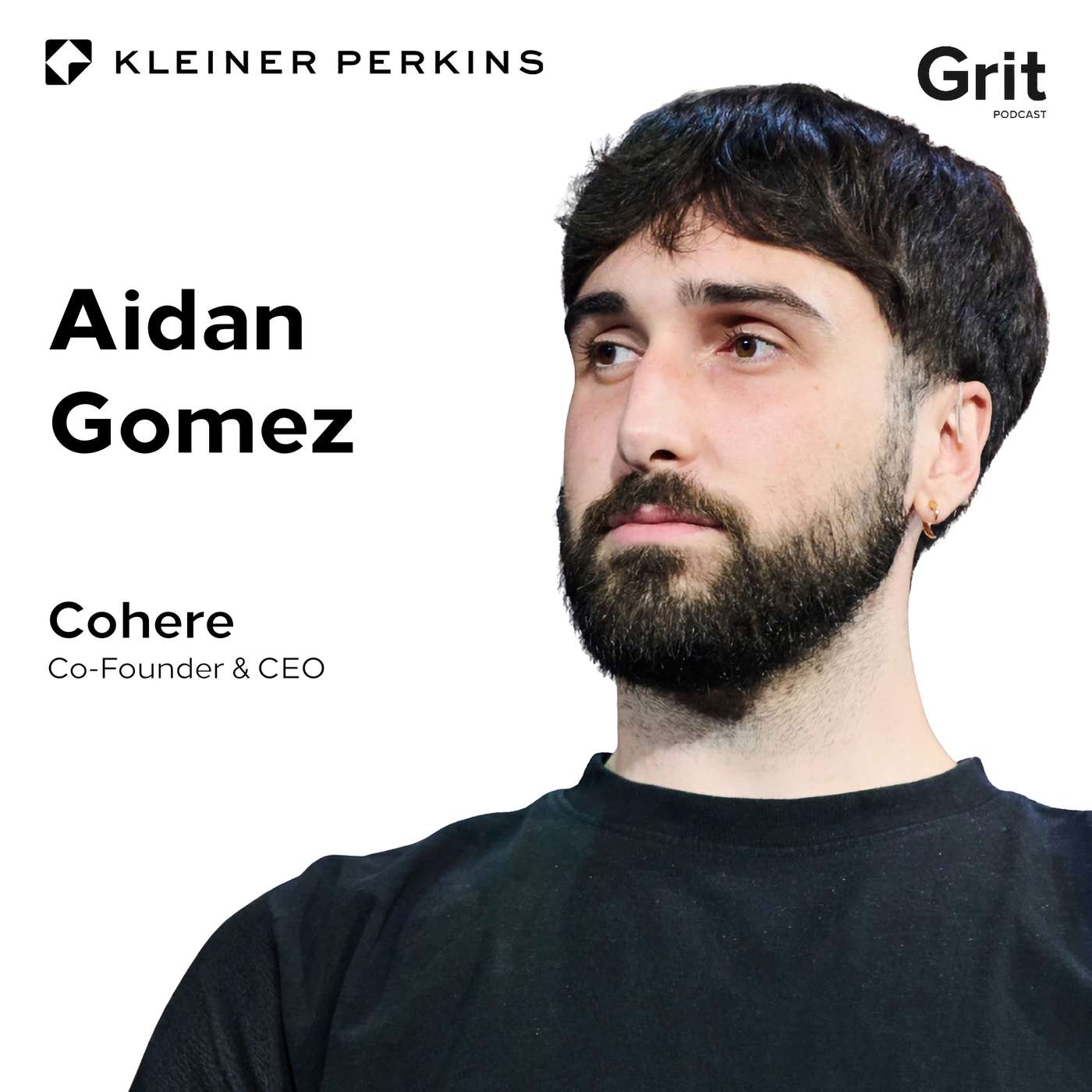
While OpenAI has a significant head start, its position is precarious. Swisher suggests it mirrors Netscape, which pioneered the web browser but was ultimately crushed by an incumbent (Microsoft). Google, with its vast data and resources, is better positioned to win the AI war in the long run.

The AI industry is not a winner-take-all market. Instead, it's a dynamic "leapfrogging" race where competitors like OpenAI, Google, and Anthropic constantly surpass each other with new models. This prevents a single monopoly and encourages specialization, with different models excelling in areas like coding or current events.
Despite its early dominance, OpenAI's internal "Code Red" in response to competitors like Google's Gemini and Anthropic demonstrates a critical business lesson. An early market lead is not a guarantee of long-term success, especially in a rapidly evolving field like artificial intelligence.
Despite its massive user base, OpenAI's position is precarious. It lacks true network effects, strong feature lock-in, and control over its cost base since it relies on Microsoft's infrastructure. Its long-term defensibility depends on rapidly building product ecosystems and its own infrastructure advantages.
Google's AI, Gemini, is positioned to win the AI race against first-mover ChatGPT. Similar to how Internet Explorer leveraged Microsoft's ecosystem to beat Netscape, Gemini's integration with Google's vast search and YouTube data gives it an insurmountable long-term competitive advantage.

While startups like OpenAI can lead with a superior model, incumbents like Google and Meta possess the ultimate moat: distribution to billions of users across multiple top-ranked apps. They can rapidly deploy "good enough" models through established channels to reclaim market share from first-movers.
